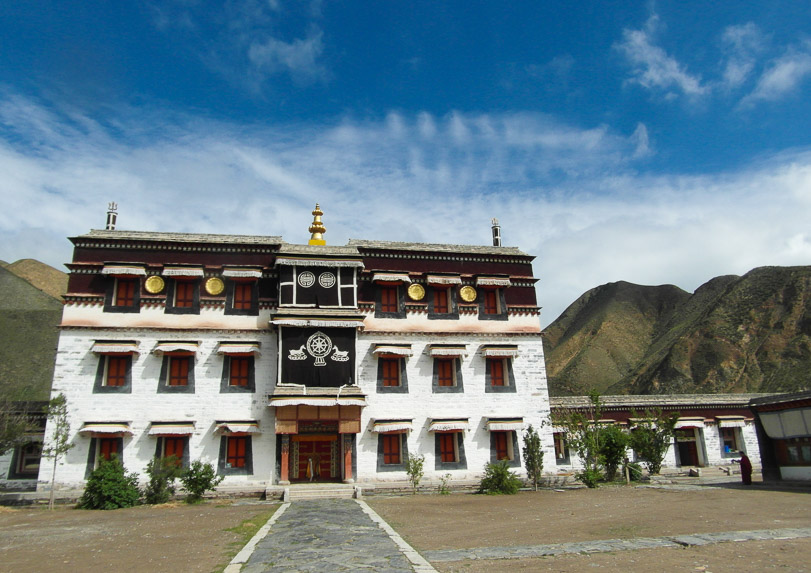
Prayers in the sky.
That’s what I think about when I recall my trip across Sichuan, Qinghai and Gansu, in the west part of China.
It became apparent the moment that I reached the top of my first 4000mt mountain, Mount Mengbi. I was sleeping in the bus when suddenly the cap of my bottle of water came off, ejected from too much pressure, and awakened me. When I opened my eyes, there was in front of me the first glimpse of those Tibetan praying flags that would have followed me along the journey.


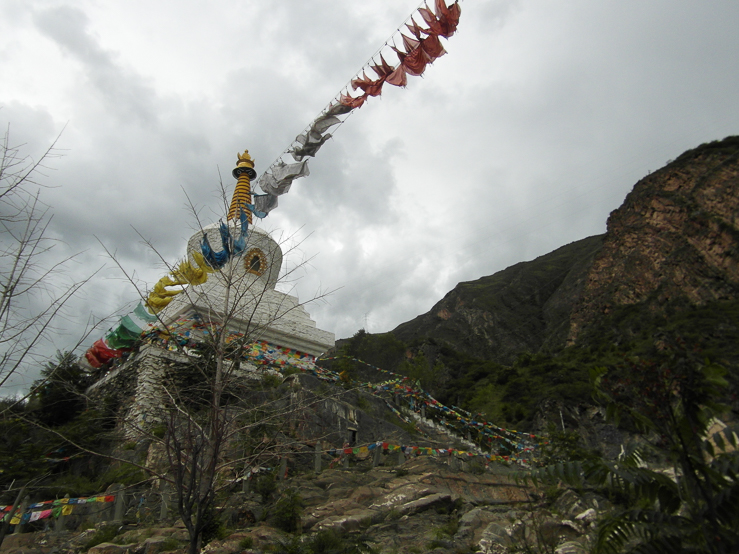
The trip started officially in Sigunianshan (四姑娘山) National Park. The entrance to the park was spectacular. Sigunian Mountain sits at the end of a big valley that can be entered through a narrow street in between the mountain range.

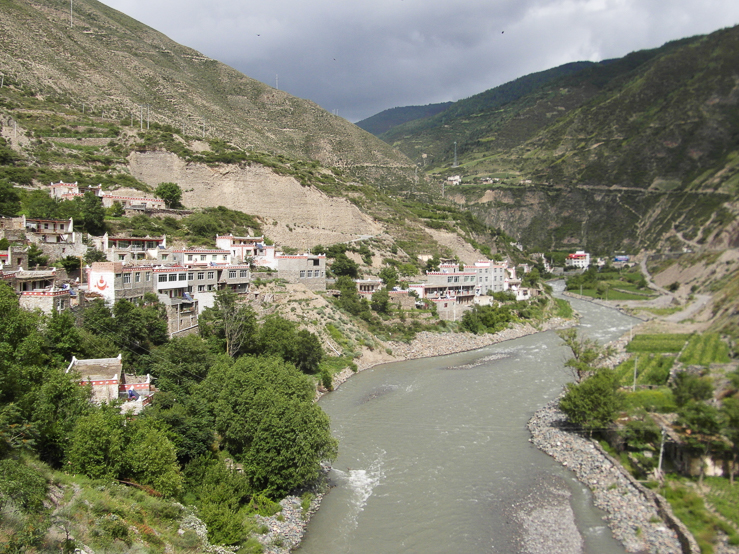
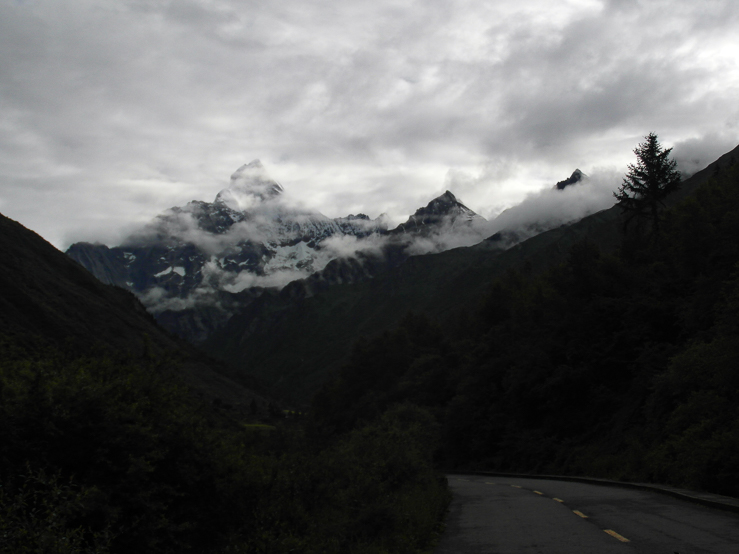
Not only the area was massive, but the altitude started to hit me. The Sigunian Mountain summit sits at more than 6000mt above sea level and the valley is at around 4000mt. After few hours of walking, the air felt denser and I had to slow down every once in a while to catch my breath. Next to me there was the most extraordinary combination of sights. Snow covered 6k mountain peaks, yaks roaming freely, waterfalls all around the mountain range enclosing the valley, Tibetan flags till the eye can see, dense forests with hundreds years old trees, vultures, endless grass fields.

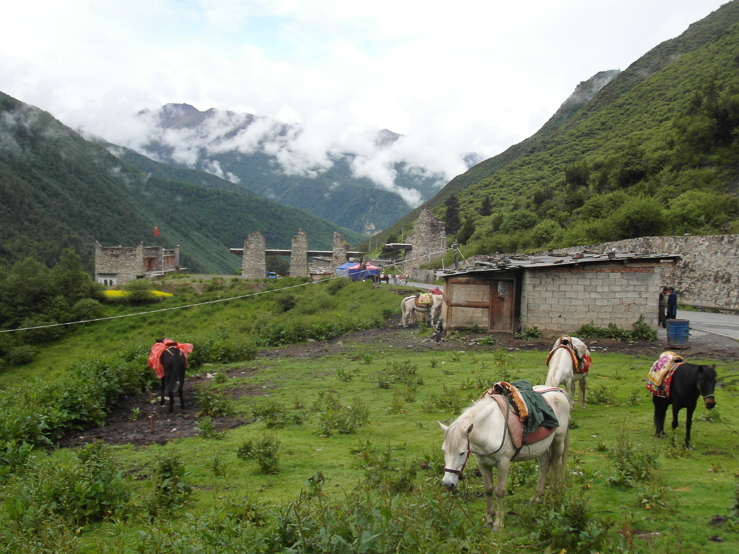


A mishap with a mud puddle 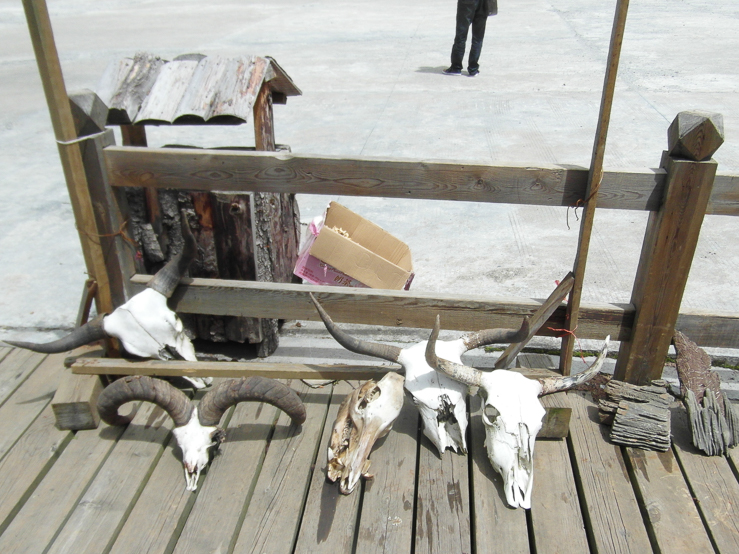
In one of the forests, I started hearing a song echoing in the valley. After a few minutes of walking, I managed to catch up with the source of that song. An opera singer was in the middle of the ancient cypress forest, singing his lungs out. It made for a pretty magical moment.
It was in this same valley that I got the first cool photo of myself for that trip.
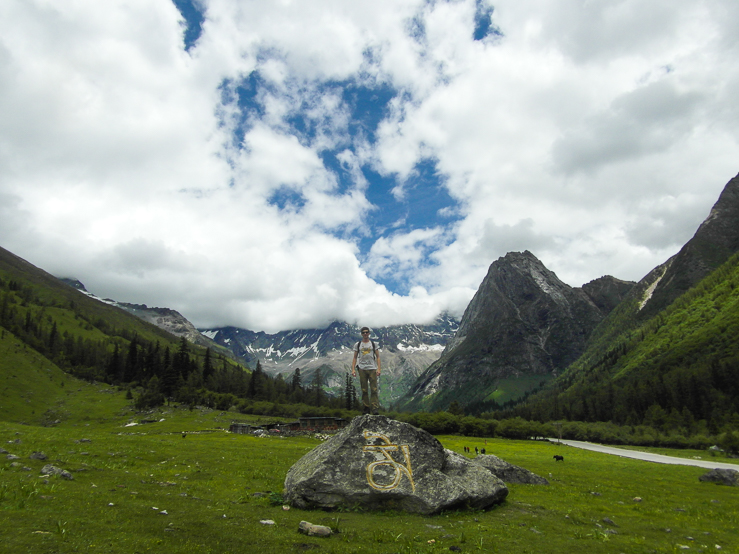
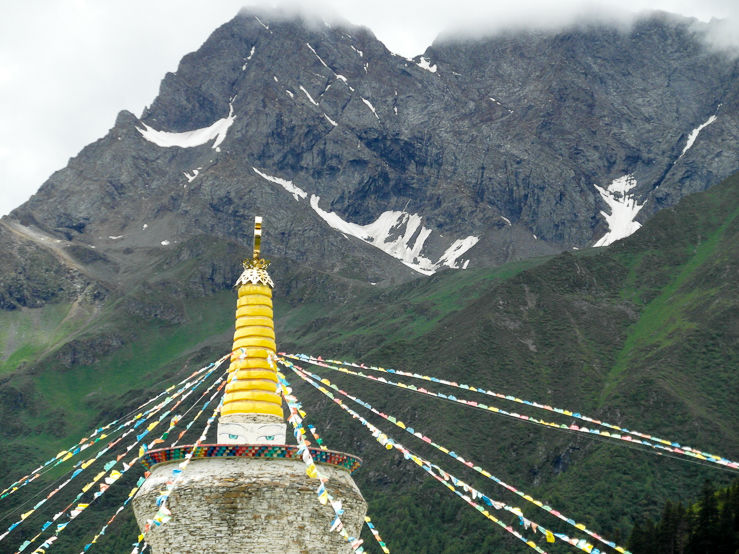
Behind me, there was the tallest mountain I had ever seen engulfed by the clouds. In front of me, the open valley and the next leg of the journey. Next to me, Buddha’s eyes were carefully looking over me and following me along.
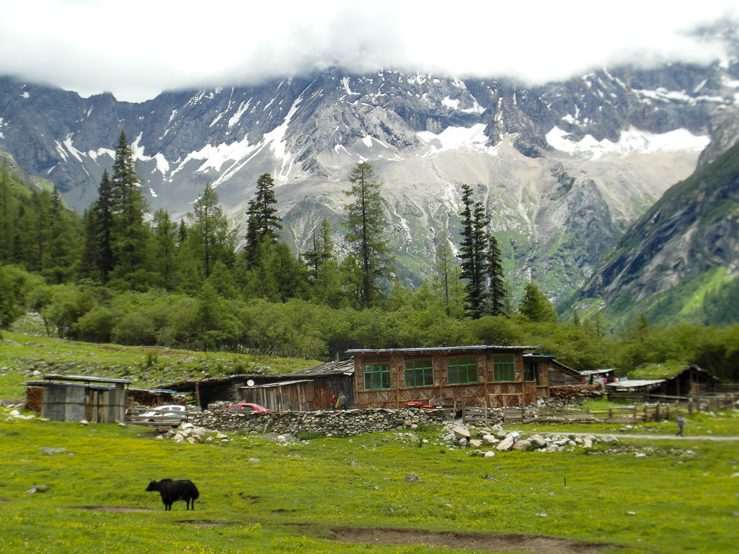


Sichuan is famous for a lot of things, for its spicy food, for its pandas, but also for its natural parks and its infamous natural disasters. Floods and destructive landslides are quite common in the area, especially on the roads connecting national parks. The route from Sigunianshan to Jiuzhaigou (九寨沟) was a prime example of such calamities. Entire paved roads and viaducts were just completely collapsed for tens of kilometers. The only way to move around was with jeeps, which I had rented with 4 or 5 other people to cover the journey from Sigunian Valley. We drove for a few hours under the incessant rain. Every few meters we would hit a hole that would slow us down and that would break the cars of less prepared drivers. The moment we hit a major road I realised that we were finally close to my next destination, Jiuzhaigou National Park.


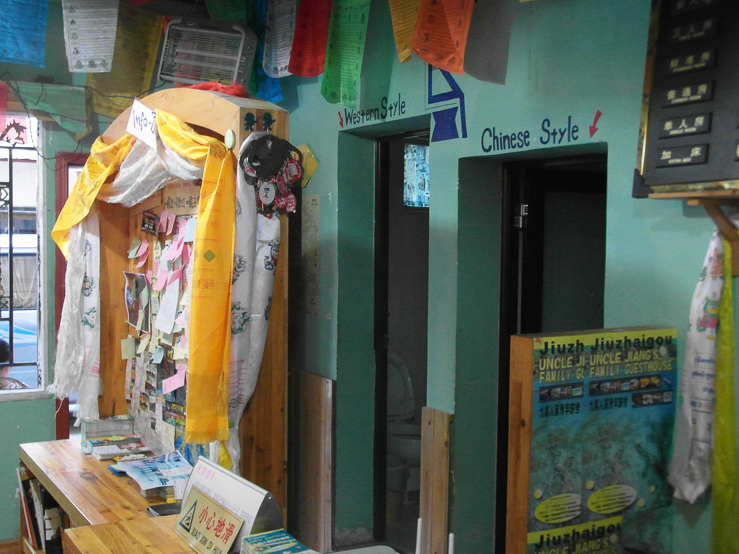
Jiuzhaigou is one of the most iconic nature reserves in China that can be visited every time of the year to enjoy its ever changing scenery and colours. Summer might have not been the best season to visit it, but it was the only option and it turned out to be stunning nonetheless. People who have been to Croatia will spot a resemblance to Plitvice, with its crystal clear waters and waterfalls. But the scale is wildly different.
The valley extends for tens of kilometers that can either be covered on foot or by hopping on shuttle buses. You can guess which one I did. Although walking was beautiful, there were too many things to see and in hindsight it would have made more sense to just take the buses. As always, it was a matter of how many spots to tick off the list vs how to properly enjoy a vacation spot. The latter is more my vibe.


Lakes were pretty much everywhere but the trick was to find the hard to find ones, the little ponds with the crazy colours. At first I couldn’t really see them, especially because of the dull light that was not bringing out the real colours of those waters.
But then the light started getting better and better and I began to see some of those revered blues.
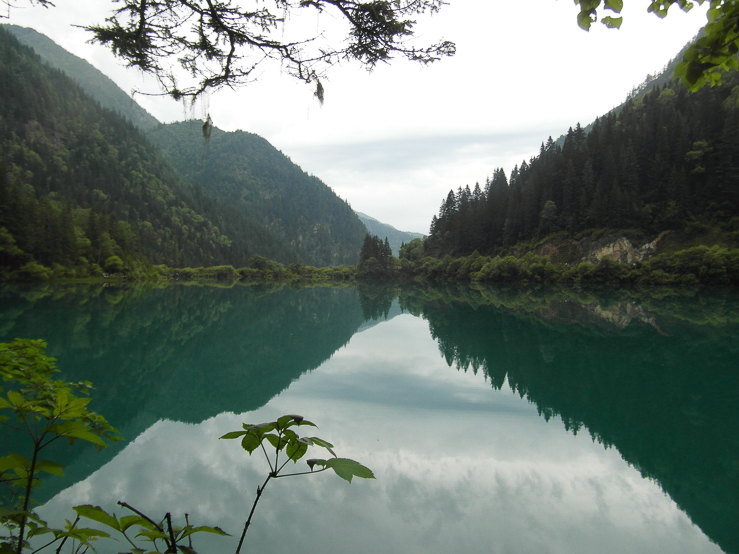
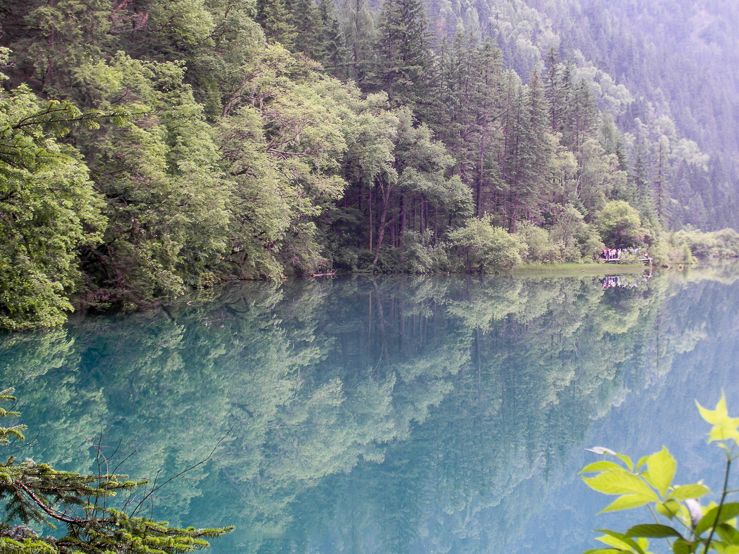
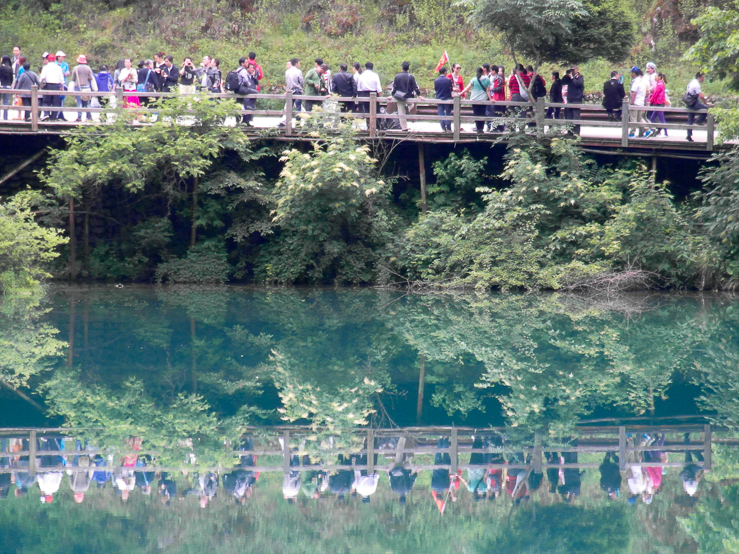
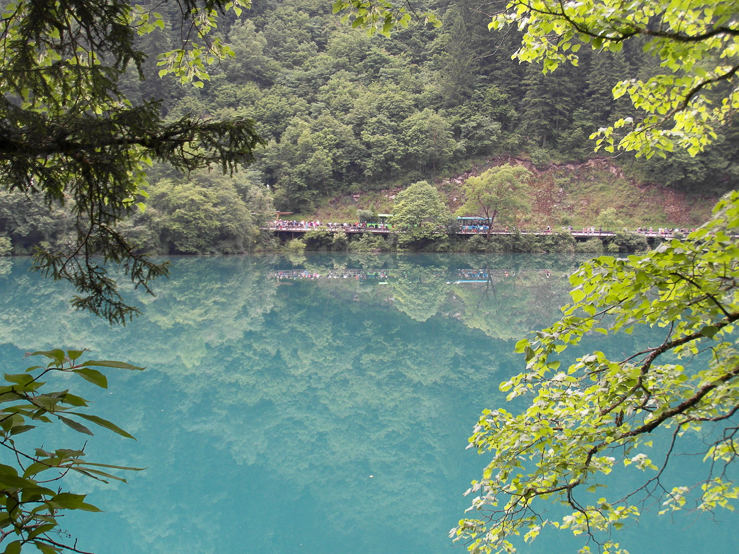
Things started to look up, with the rain also suddenly stopping.
Then, there was the first waterfall of the day, a fairly small but soothing one. I could only imagine how it would have looked like in winter.
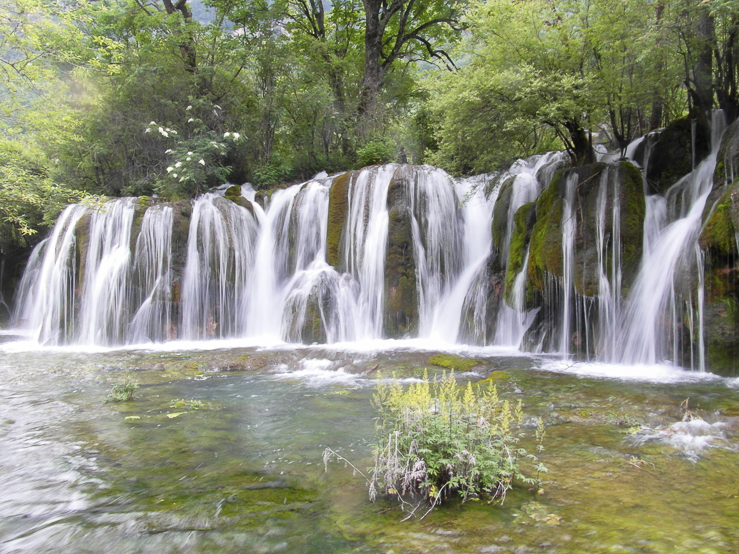
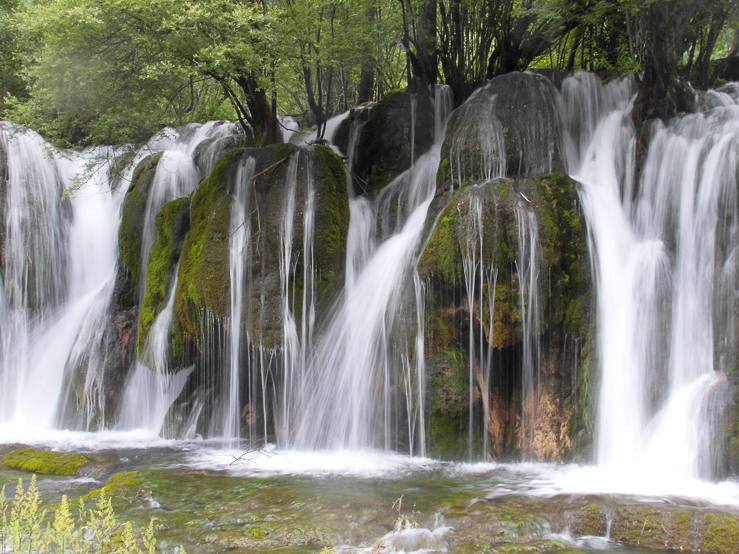
So far so good. I was quite pleased on how the day was turning out and although I was starting to get tired, there was still much more to see. Furthermore, the best sights were still to come. Just a few minutes later I hit this:
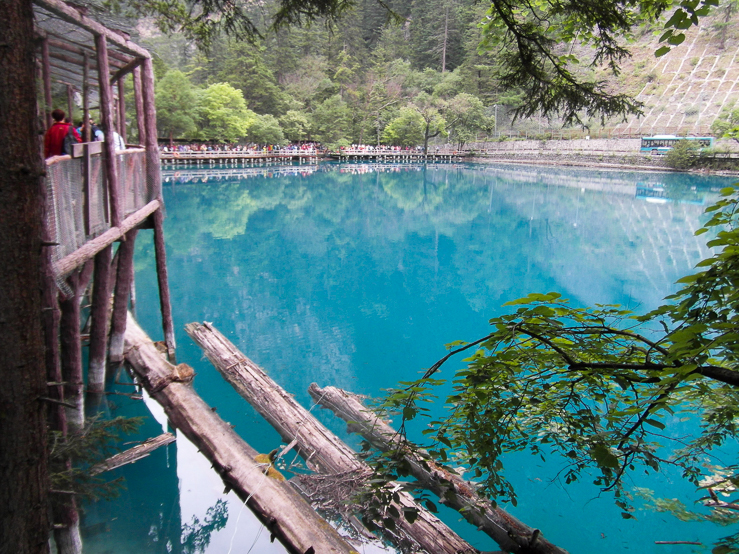

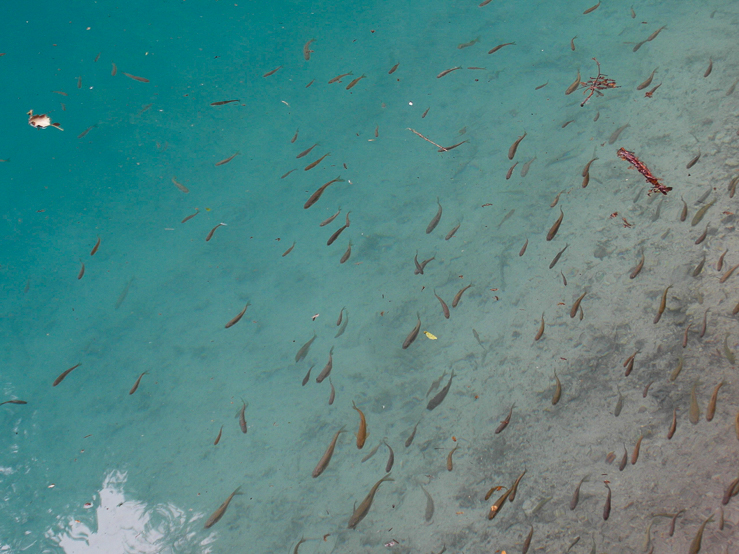

As my sister always (wrongly) says “there’s no way it was like that, you must have retouched the photos”. When I shot these however I had no idea what Lightroom even was. What you see is what you get.
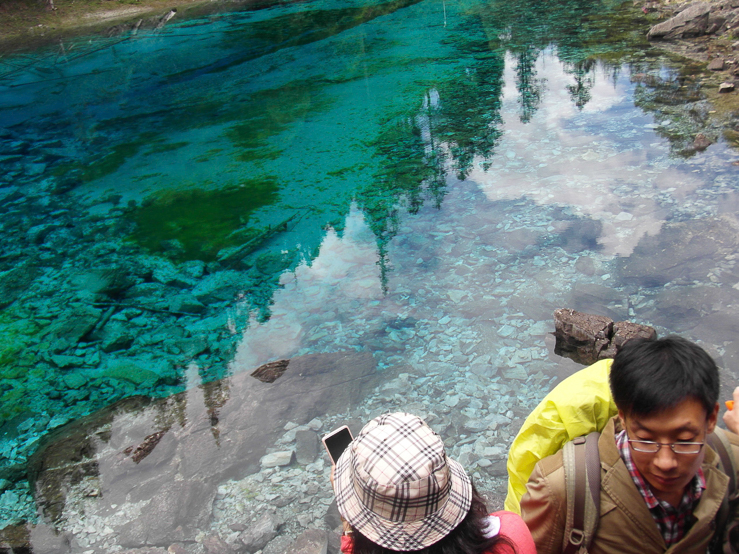
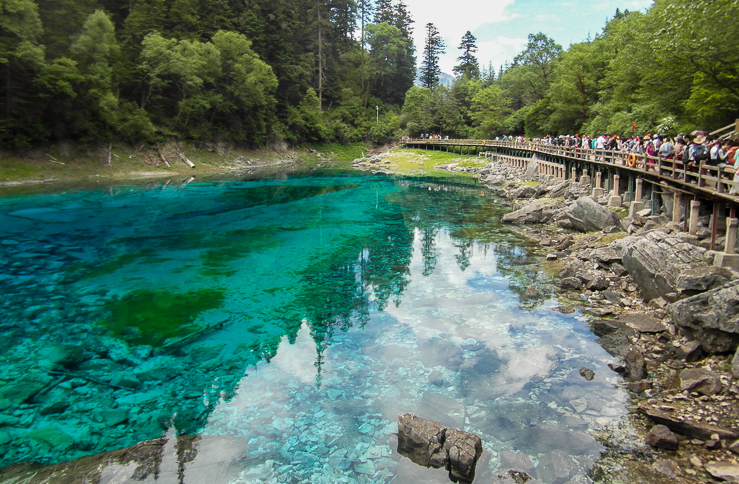
That pond was pretty crazy but it wasn’t nearly the most beautiful one in the valley. The number one prize goes to a pond that I actually had no idea it existed and that I therefore almost missed. The only reason I got to it was thanks to some people that I heard shouting in the distance. Enticed by that I followed the shouts and then I saw a ton of people walking down some stairs flocking towards a smaller pond. I still couldn’t really see where people would lead me to until I spotted this little blue area in front of me.
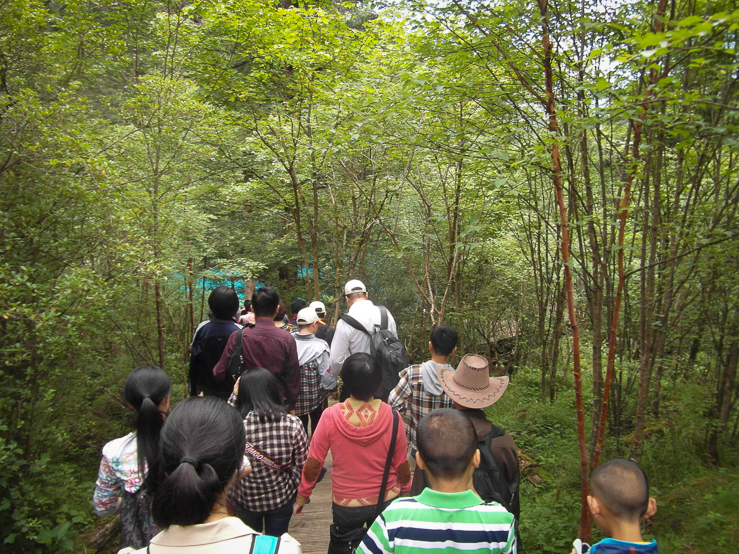
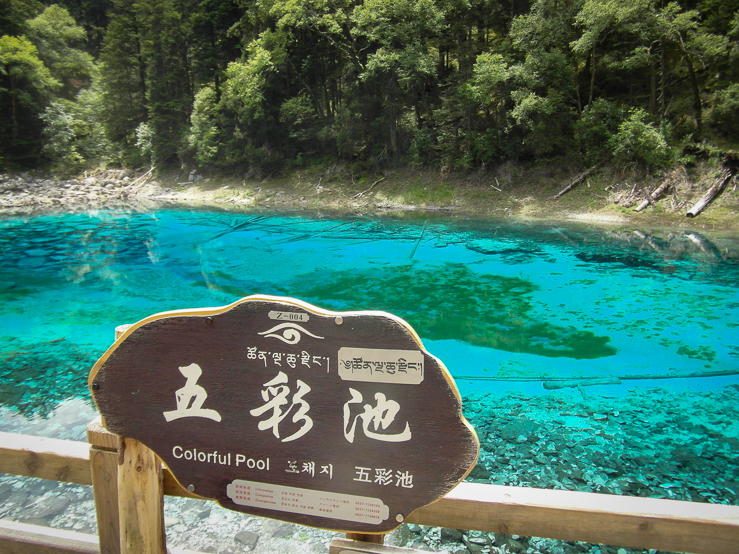
I had finally made it to the colourful pond (the five colours pond or the multicoloured pond as it was written in Mandarin).

I had seen most of the park and I was quite content with the visit, so I decided to head out of the park and, as in the next few days I would be heading further into the Tibetan plateau I went to have my first Tibetan dinner.

Cue in epic music because we’re about to enter Gansu.
The buses automatically switched to guttural Tibetan music the moment I got on a bus entering Gansu. The road went through a lot of very small villages where I could only see monks and people riding their horses or their motorcycles. At a certain point we almost had an accident that you might call unusual. All of a sudden a falcon dropped vertically on a smaller bird that was casually briefly flying in front of the bus. We could see the whole scene, the falcon falling from the sky, its claws latching on the prey and the bus driver swiftly turning, trying to avoid the birds as the bus went in the opposite lane and on a small off-road path for a few seconds. Luckily, as it turned out small mountain roads along the Tibetan plateau were not very trafficked.


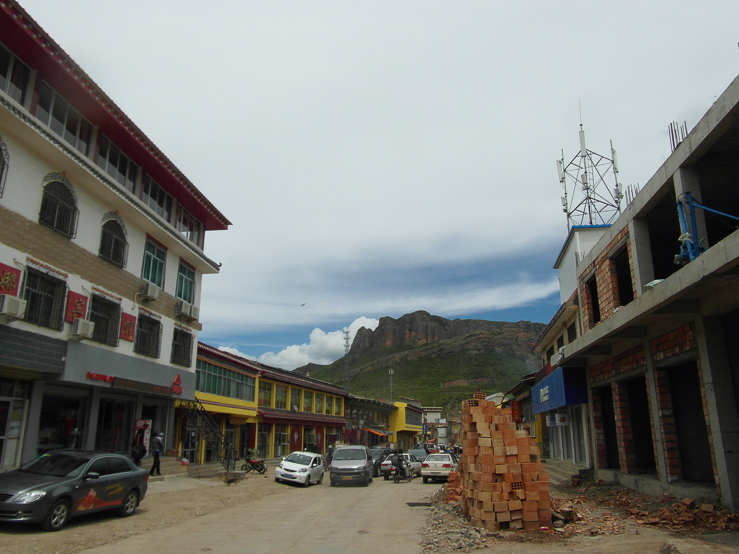
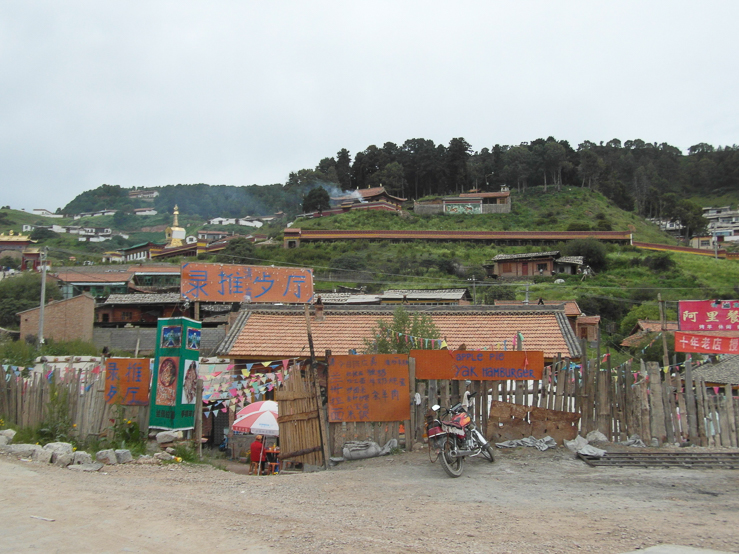
The first stop in Gansu was Langmusi (郎木寺镇), a small city split between Sichuan and Gansu and enclosed by two large buddhist monasteries, one of them being Langmu.

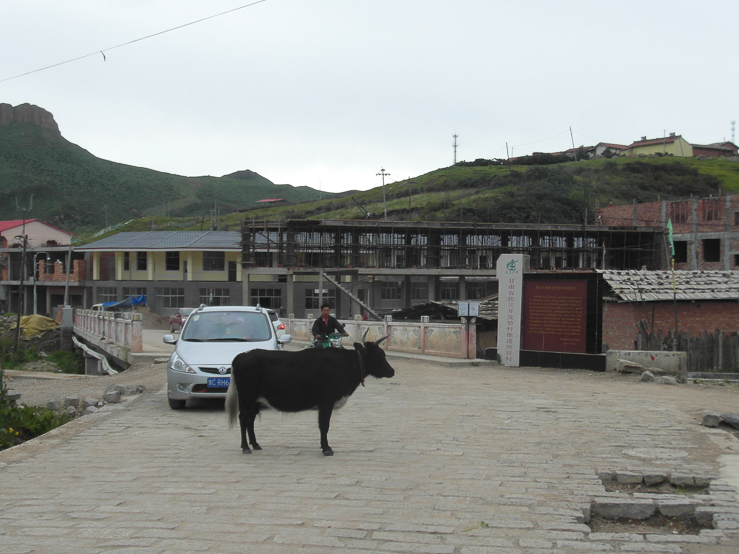
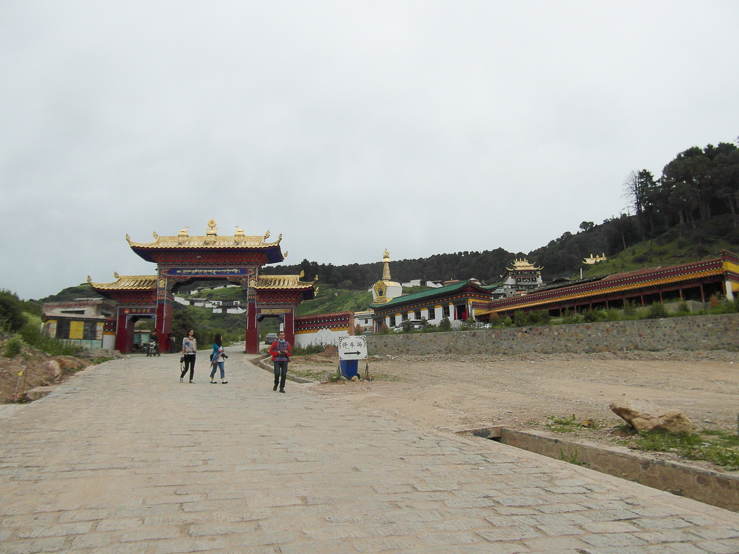

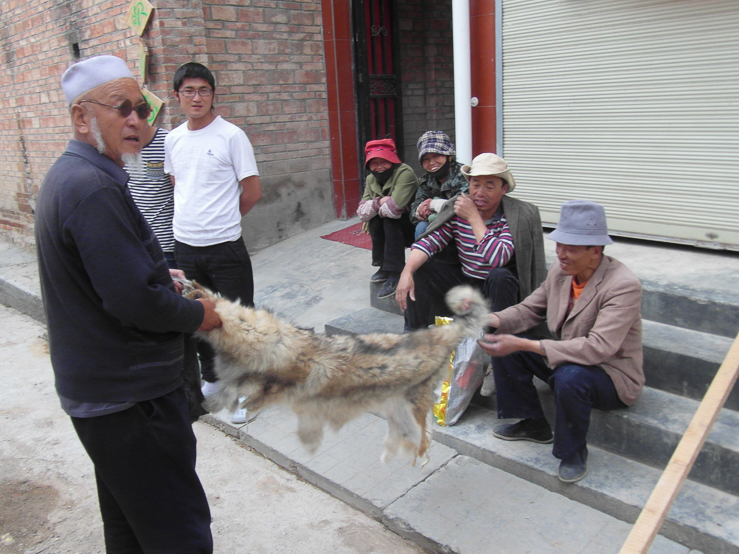


Enjoying a yak ‘burger’ in a fancy yurt
But I wan’t there for the religion. I was there because a small family business allowed tourists to book a two-day horse trek package that would allow me to ride horses for two days at 4000mt and more, surrounded by only nature. As I understand it the trek is now fairly touristic but at the time very few people were doing it and that made for an unforgettable experience.
Having no horse riding experience and since I would have had to ride horses 4 hours a day for two consecutive days in wild grasslands, up and down steep mountain sides and across streams, I was given a small lesson that went like this:
- hold the reins in a single hand, resting the other one on the saddle
- to steer pull and twist your body in the direction of the turn
- on steep declines lean back, on steep inclines lean forward
- if wolves or yaks or family dogs (you’ll understand later on) approach you call for your guide
- have SWAG
It seemed pretty straightforward to me.

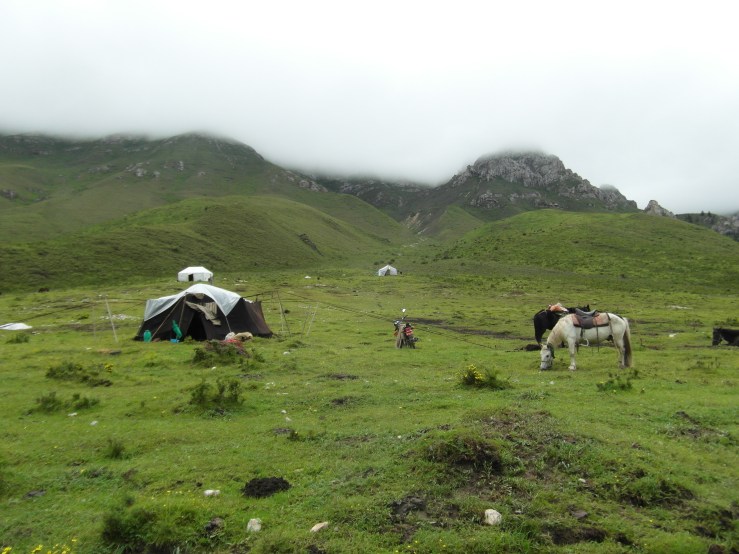
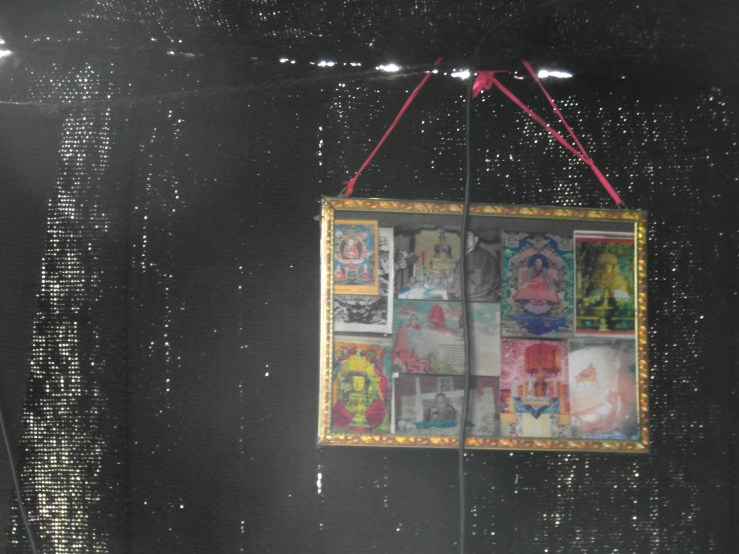
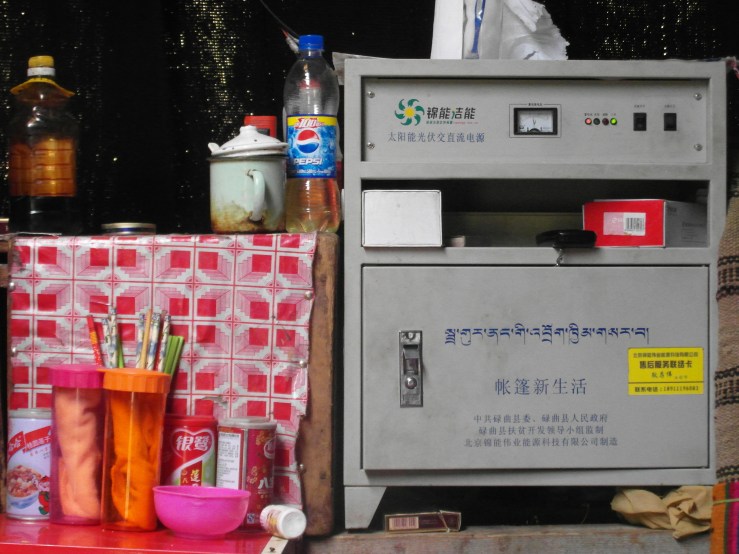
A couple of hours into riding and my body already started to feel sore. After crossing countless streams and riding up and down the green mountains, the first stop of the day was finally in sight. It was a yurt, a traditional tent that in this case hosted me for lunch. The yurt was small and it had a small power generator and a central stove for heating up the food. The heating of the tent was instead provided in the good old way, using yak dung, quite abundant up there.

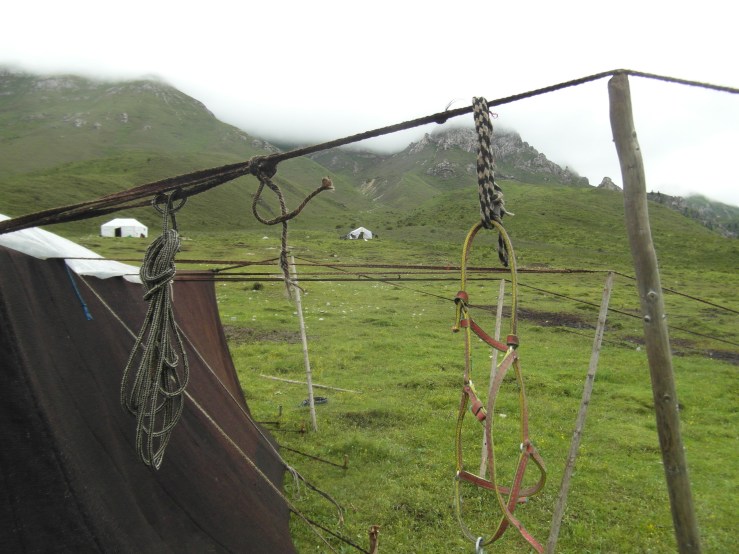
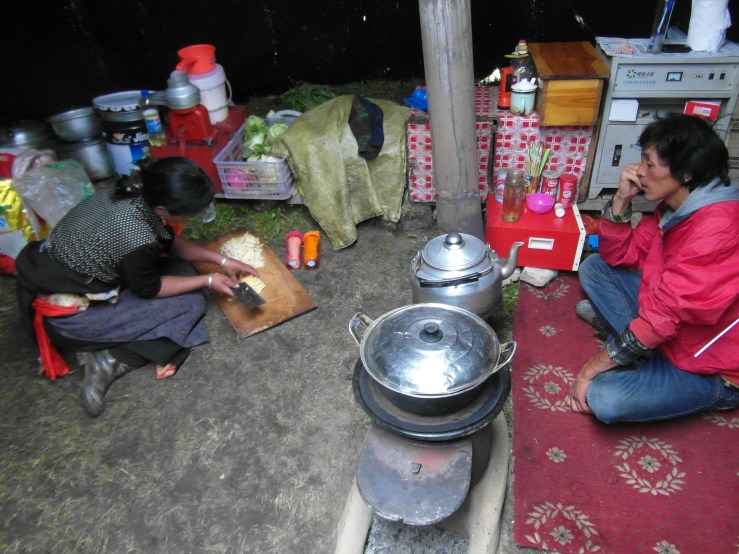
The hosting family was very kind and prepared one of the traditional dishes, some sort of butter paste kneaded together with some sugar and other ingredients. The paste was fully prepared by hand and eaten using one’s hands as well. Mine and theirs weren’t very clean. One thing that became immediately clear is that in those tents women do all the work and that they rarely visit town as most of their time is spent on the mountains.
At a certain point, right before leaving for the next ride of the day, one of the ropes keeping up the tent snapped and the whole family went to fix it, including their kid who had to stop bareback riding for a while to help his family.
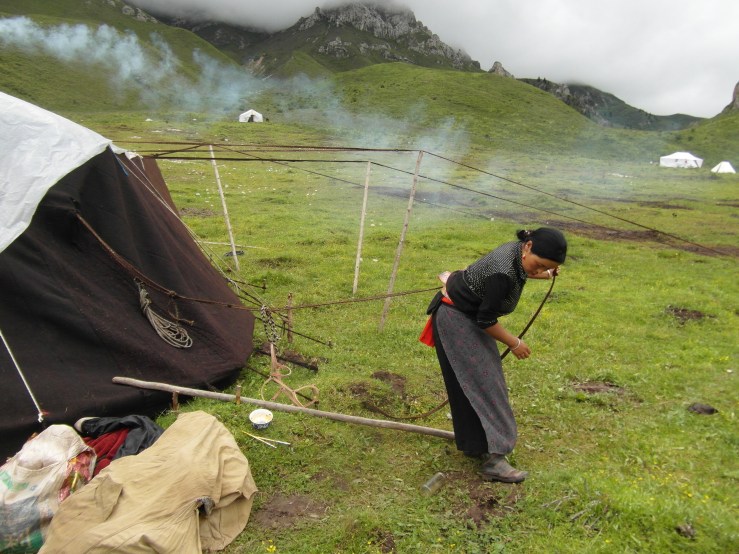

It was time to get ready and load the horses with some items before proceeding further.

The ride had been incredible already, but the next part of the journey to the top of the mountain became even more impressive. Yaks started to appear almost everywhere, their herders running around keeping the animals under control using the traditional Tibetan tool called ‘pe’. High in the skies falcons were flying left and right. But most importantly, wolves howls could be heard every once in a while in the distance. It was simply magical.
But I was starting to feel tired. The distance to cover was great. The rain incessant. The pain from riding fast up and down those treacherous terrains started to creep in.
A quick stop at the source of the White Dragon river (白龙江) provided some sort of relief and allowed me to shoot a couple of pictures, but that wasn’t the final destination of that first day of horse trekking.
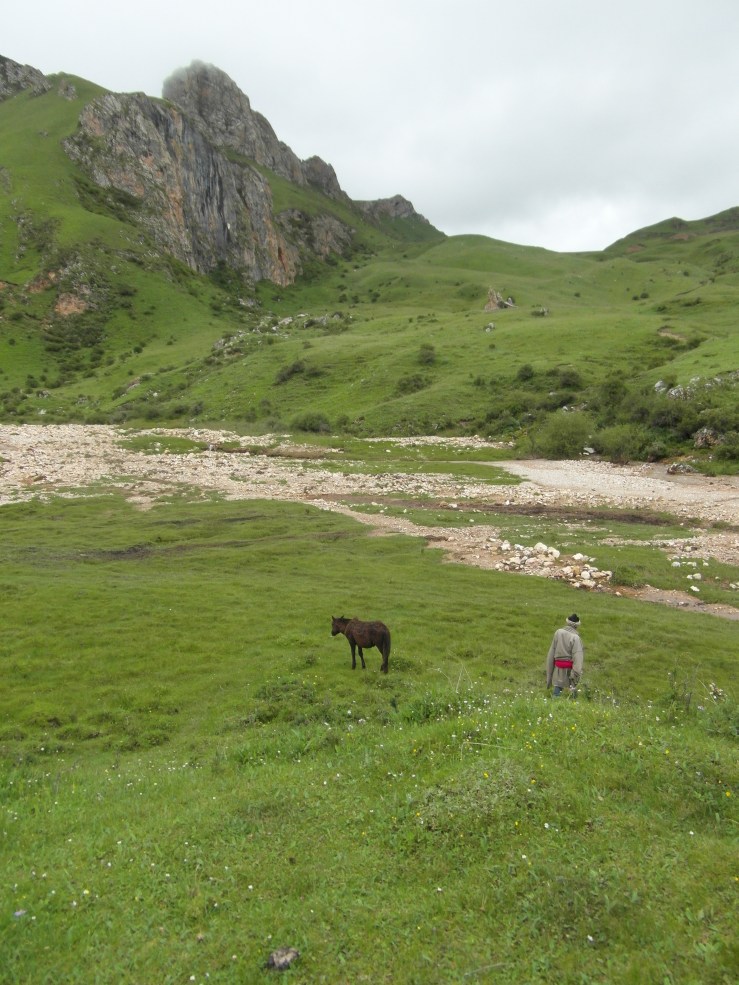
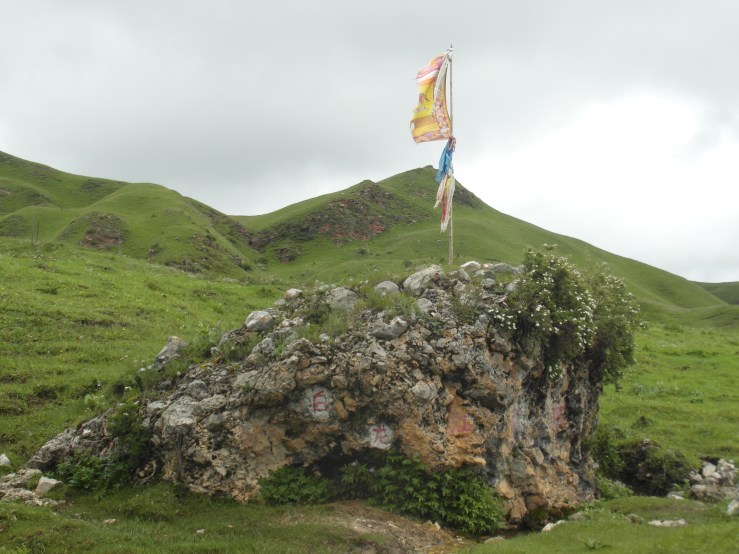
The rain became stronger and the clouds started wrapping around the peaks.
Another half an hour later another yurt appeared in the clouds. It was my stay for the night.
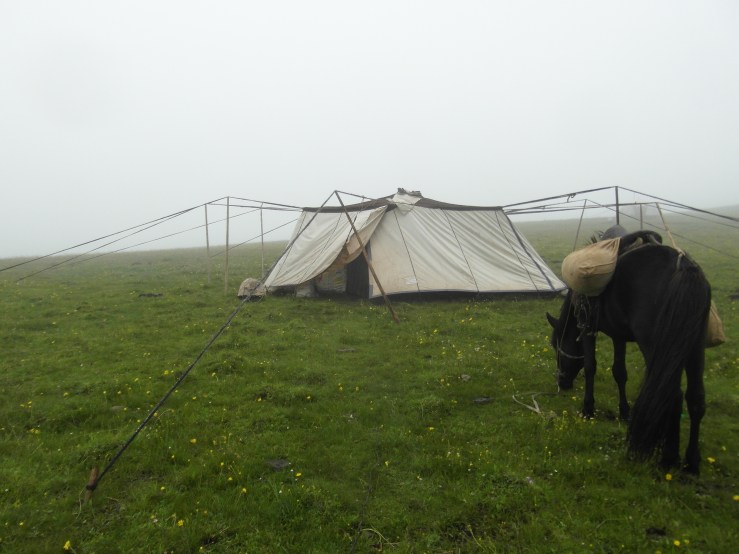

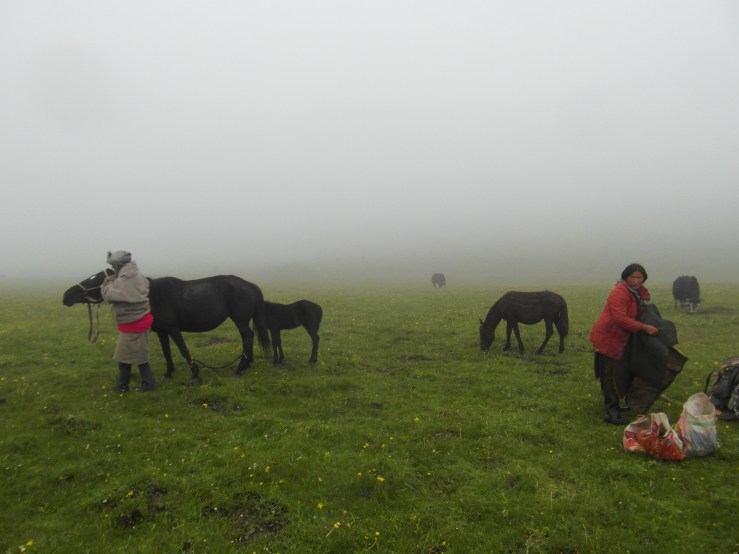
However it wasn’t time to rest yet. After a quick heating up session I had to go and help collect some water from a nearby creek, ready to be used for dinner. Luckily the creek was nearby, just across the pasture surrounding the tent.
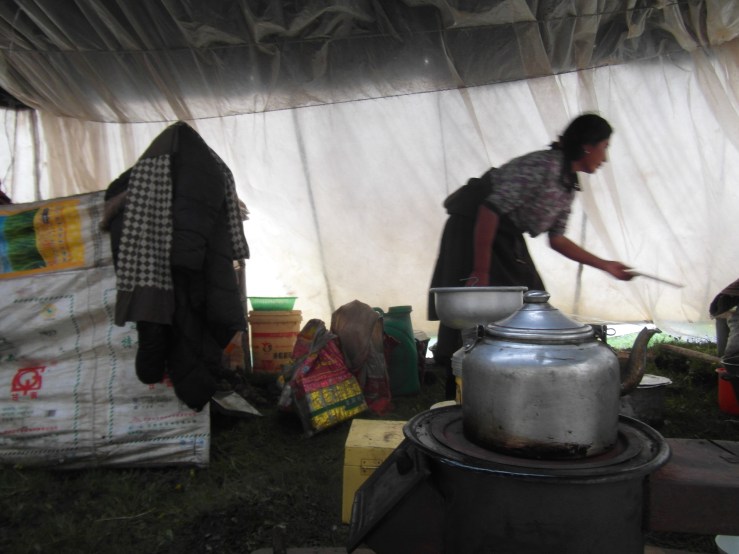
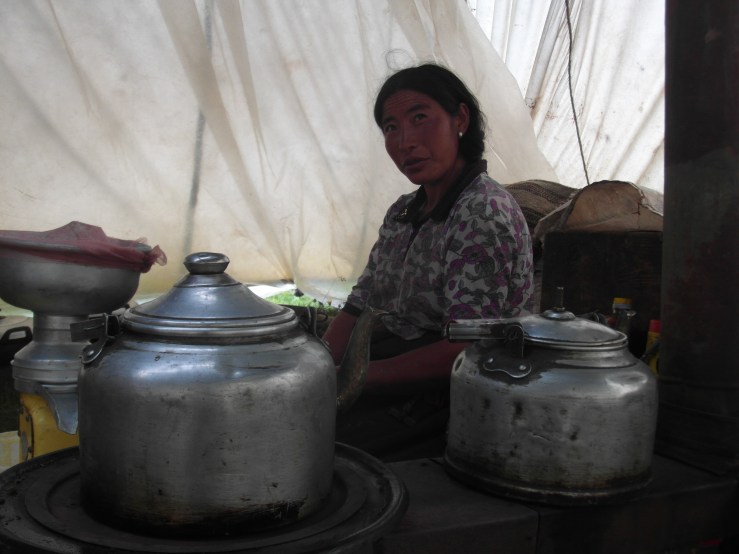
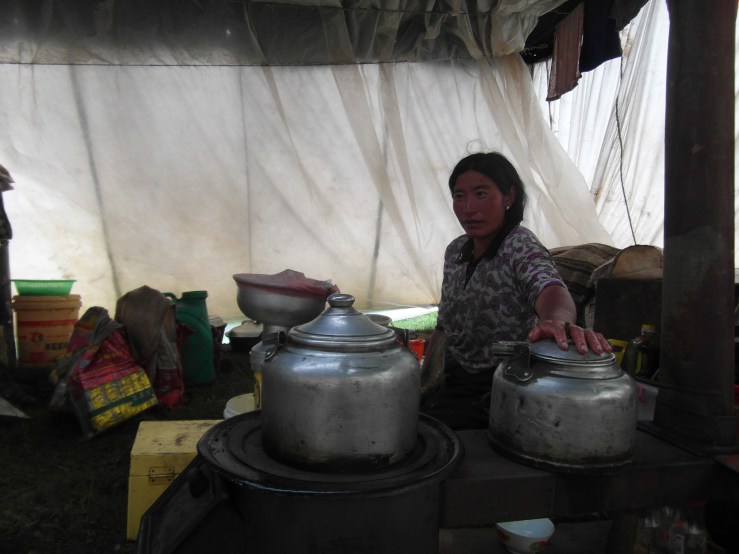
A wonderful host and do-it-all around the tent
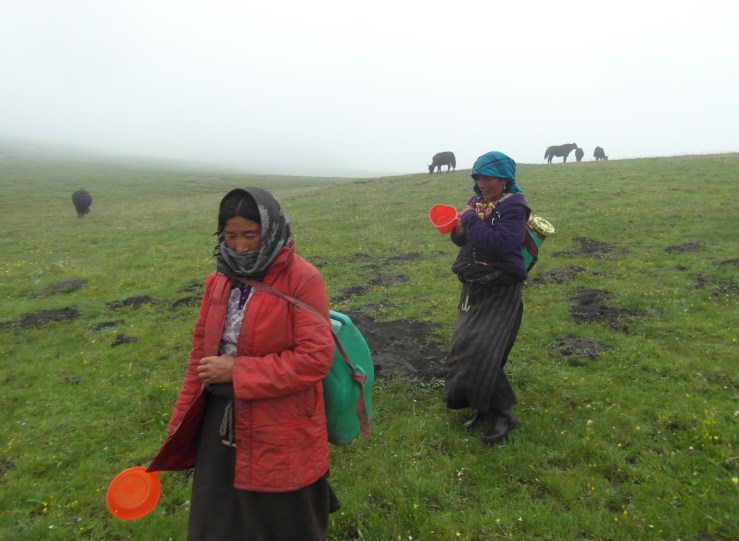
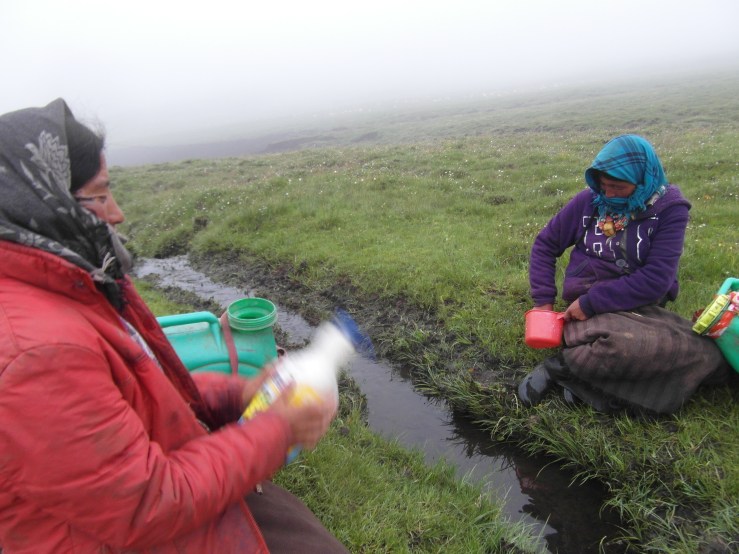


There were a couple of rules that were to be followed during a stay at such high altitude with so many animals around. One critical rule was about peeing.
The first option to pee was to get outside the tent and pee within a 5 mt range from the tent. I’ve tried this one at first, but the moment I started going at it a yak stared at me and commenced walking towards me, still making eye contact. It got to about a meter from me when I started walking backwards trying to get away from it while still doing my deeds. Fortunately, it didn’t get any closer. With my back basically touching the tent, I finished and went back inside.
The second option was a bit more tense. Every family has a certain number of incredibly aggressive dogs. The dogs are clearly there to protect the cattle from wolves and generally each family considers a ratio when it comes to the amount of dogs to wolves. In the case of the family, they kept three dogs per possible wolf, aka three dogs could take down a wolf with some room to spare. Going back to peeing, if I had gone for option two, I would have needed to ask my guide to come with me to protect me from the dogs that were protecting me from the wolves.
Easy.
But I didn’t go for that option.
After a quick dinner it was time to sleep.
Midway through the night and surrounded by a mix of thunders, howling and barking I awakened from my basically tomb-bed (it was a hole dug in the ground with a blanket covering the soil. Glamping, for those familiar with the term). As I opened my eyes, I just saw the host – the woman, not the man – getting out of the tent with an axe and a lamp. A few minutes later she came back into the tent and the surroundings got a bit more quiet with just loud thunders filling the silence.
I woke up the next morning very rested but with a painful body. The rain was still going hard. But I got some fresh badass photos of myself.
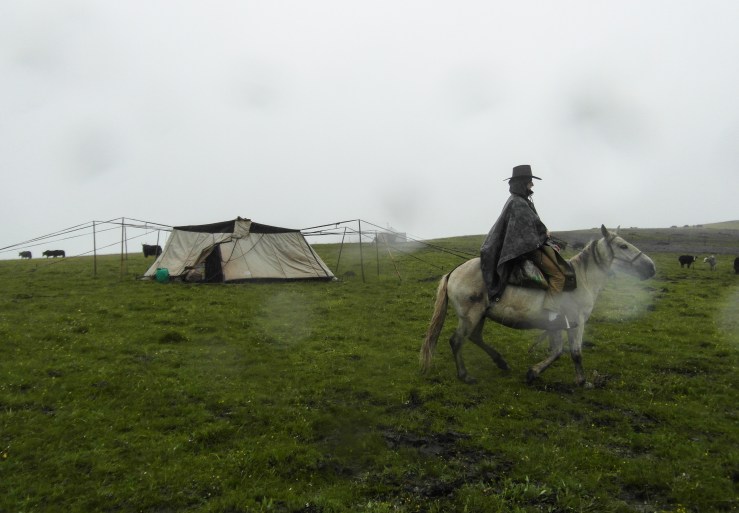


The return trip consisted in a lot of pain in the leg area. Unfortunately I didn’t take any photo of the way back but at a certain point we had to cross what’s called the Ocean of Flowers, a beautiful grassland encircled by hills that in spring gets completely covered in flowers, creating an ocean like flower covered pasture, which in my case was a proper lake due to the heavy rains. Having a horse stepping in 30 cm holes in the mud wasn’t too fun.
The bus towards Xiahe was waiting for me in Langmusi city. Exhausted from the five hours of riding and the constant rain but incredibly happy for the experience that had just come to an end, I left to Xiahe.
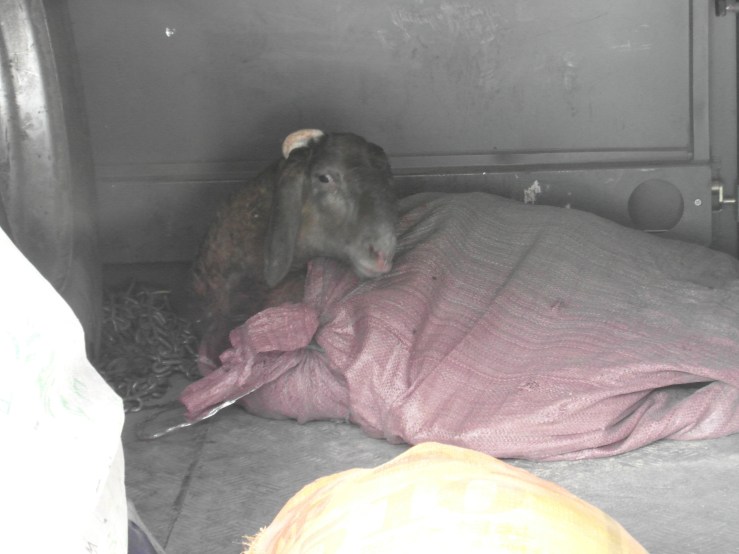
On the way to Xiahe a goat in the luggage compartment of the bus peed on my bag. Why was there a goat there? Why did it choose my bag? We will never know.
Xiahe (夏河). A monastic town deep in Gansu, featuring the Labrang Monastery in its city center and sometime closed off to foreigners.
There I’d see some of the best Tibetan art I’d seen and learn a bit about Buddhist and Tibetan culture. My first mistake: to start the morning walk along the monastery pilgrim route the wrong way around. A big hint should have been the fact that everyone was walking in the opposite direction that I was. Finally, someone that could speak English told me to walk in a clockwise direction.

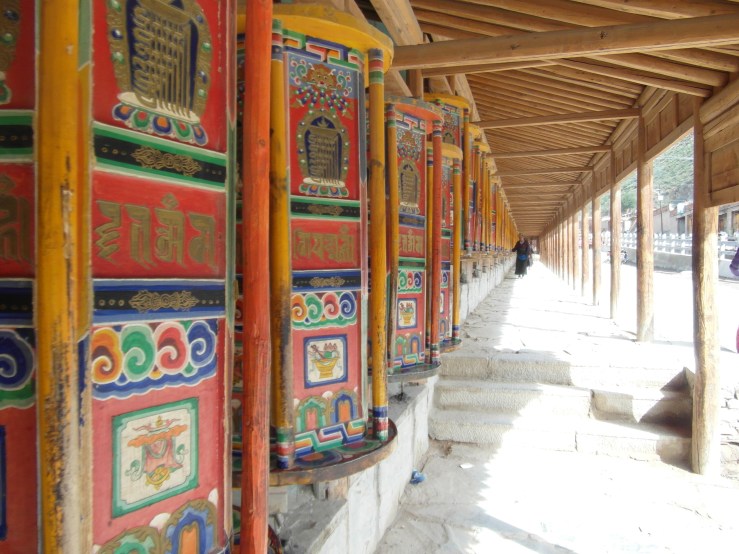
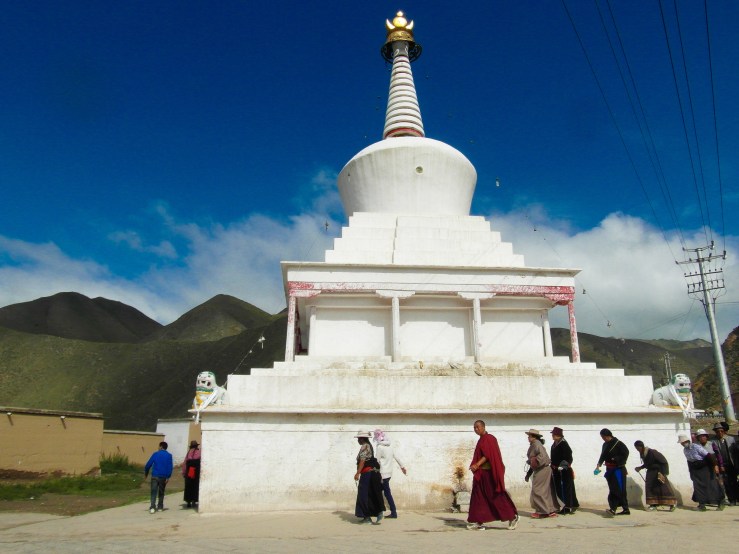
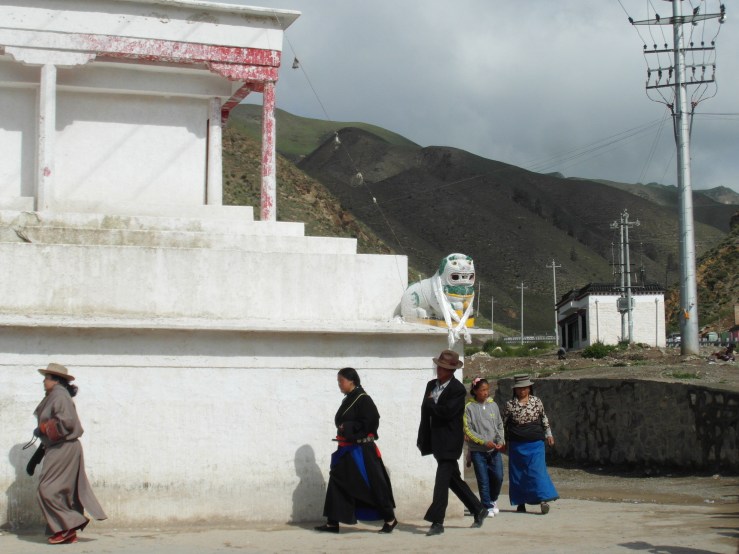

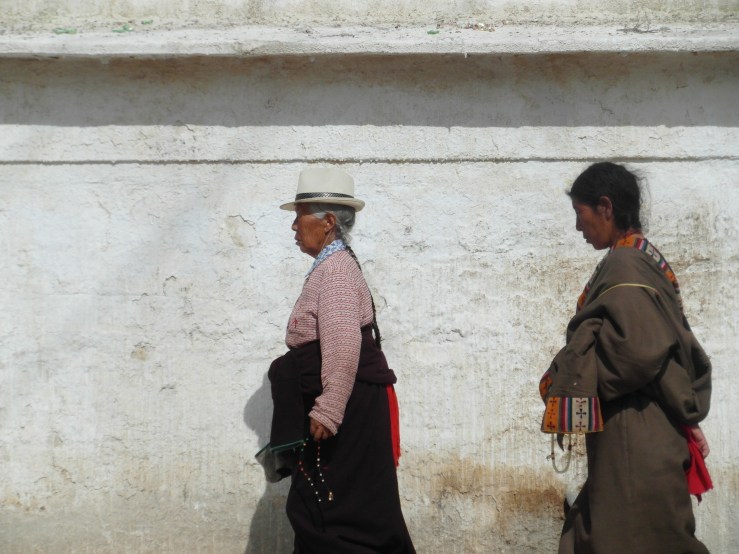
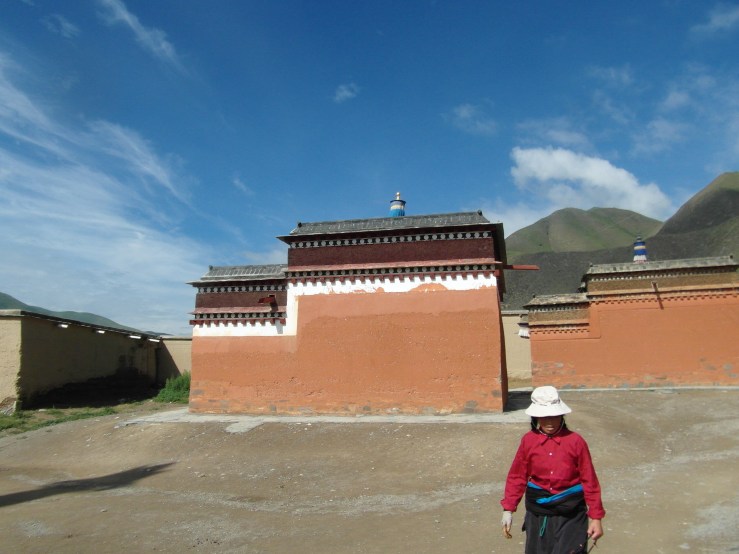
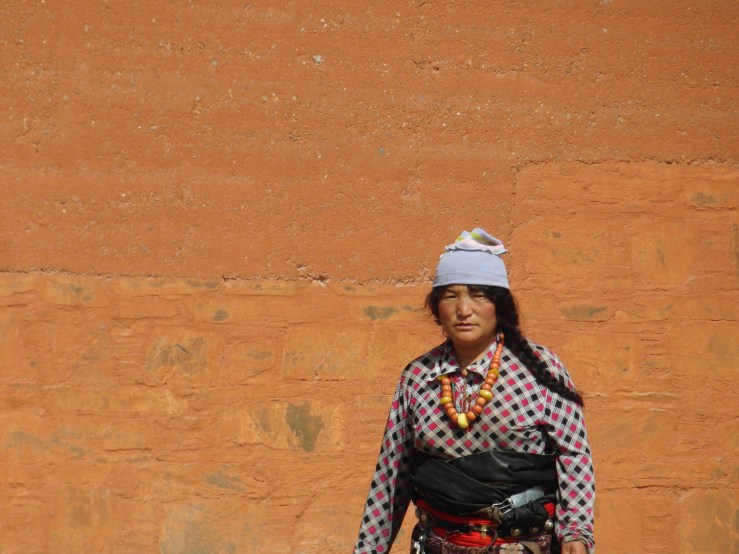

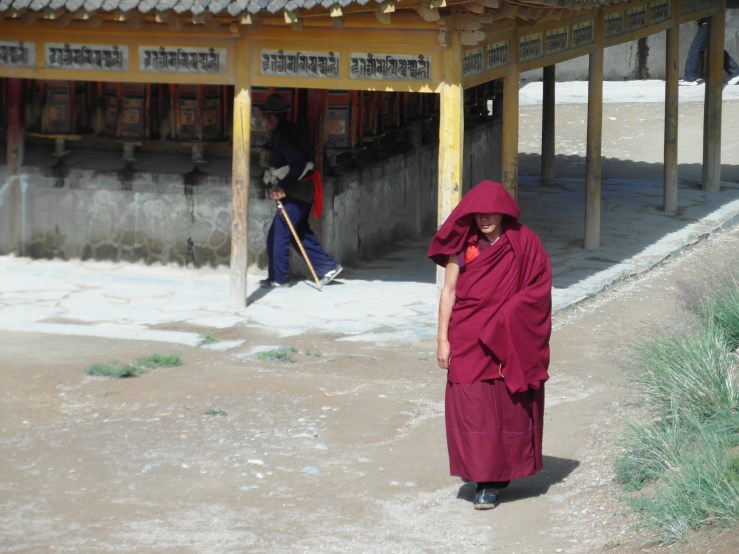
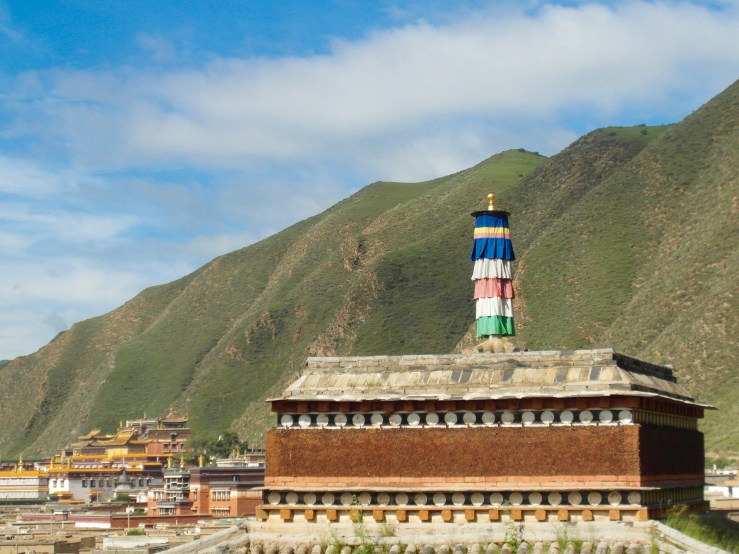
The pilgrims path was wonderful. It was relaxing in a way and people were smiling every time they looked at me. Although the walk was quite lengthy, it was a very small portion of the city itself. After having completed that walk along the city walls, I ventured inside the city. It was filled with believers and monks and, apart from everyone owning an iPhone, it felt traditional to an extent I’d never witnessed before.

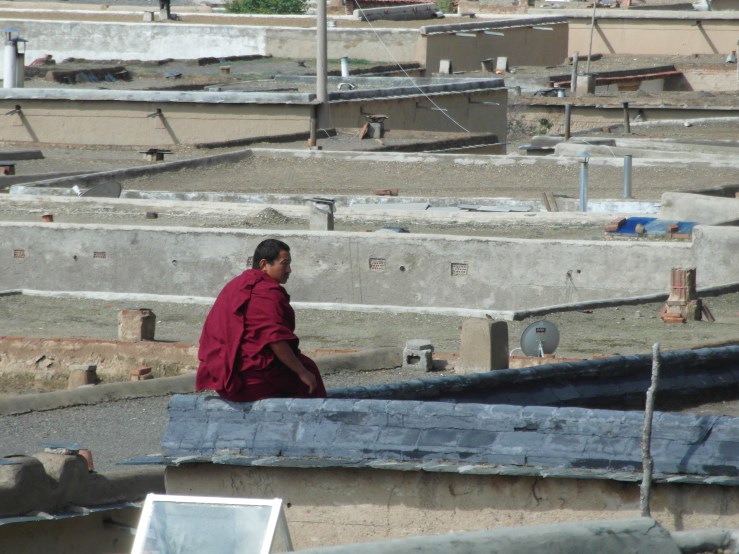
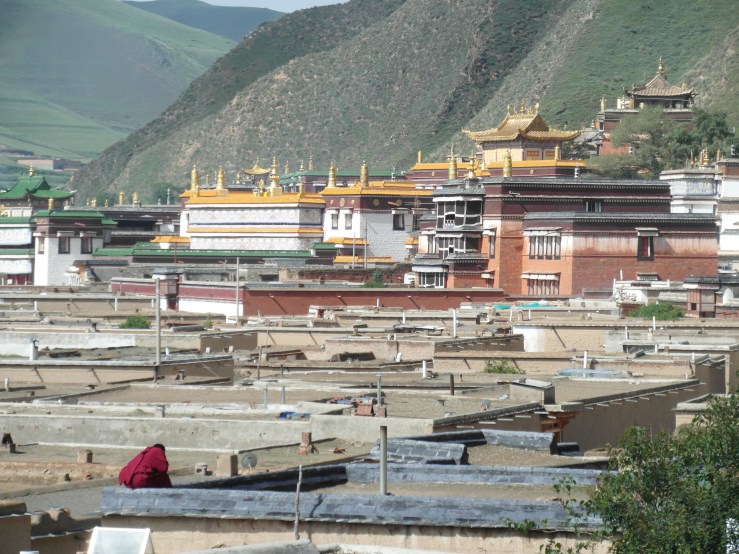
The main building as seen from the walls of the city 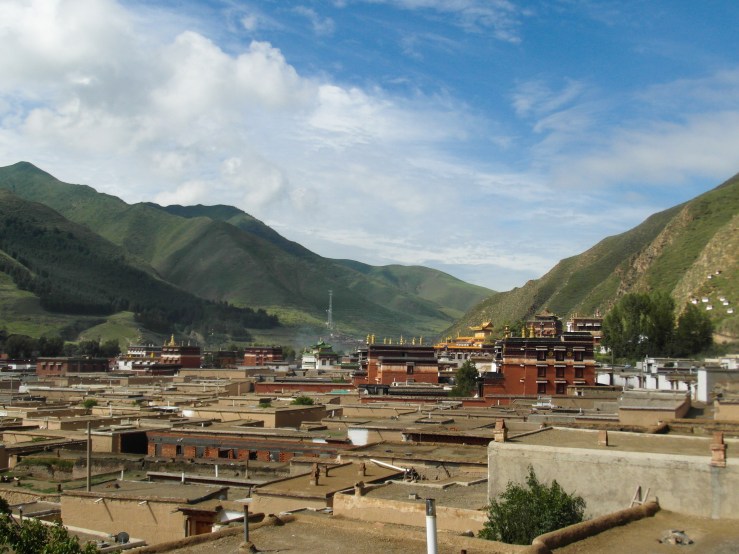

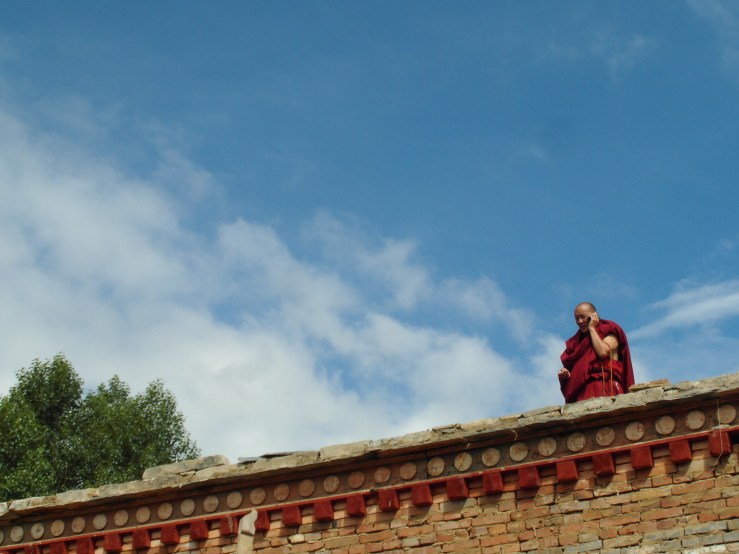


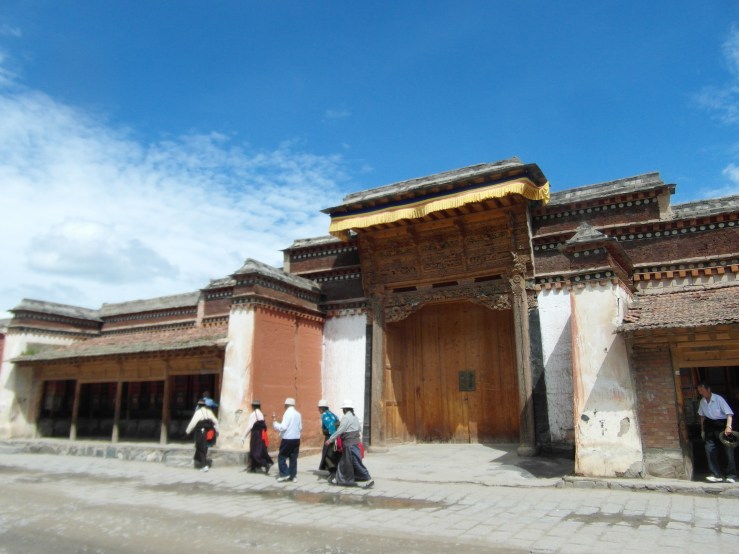
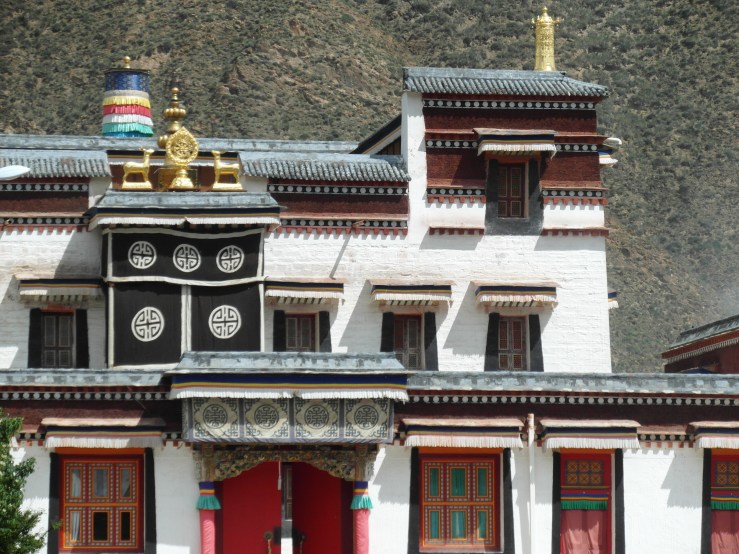
After getting lost for a while in the small streets of the city and the multitude of schools scattered around, I decided to head for the main course, the big palace in the middle of the complex. Monastic life was ongoing and because of that I couldn’t visit the palace halls, but I did manage to get a glance of most of the areas.
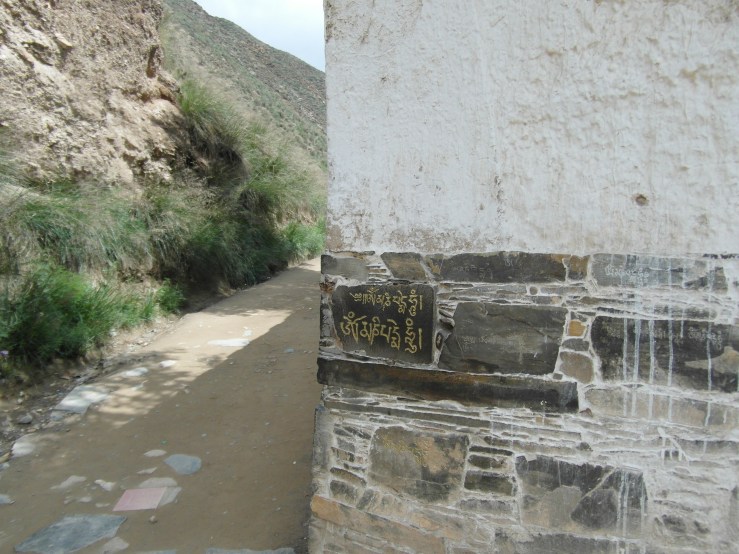

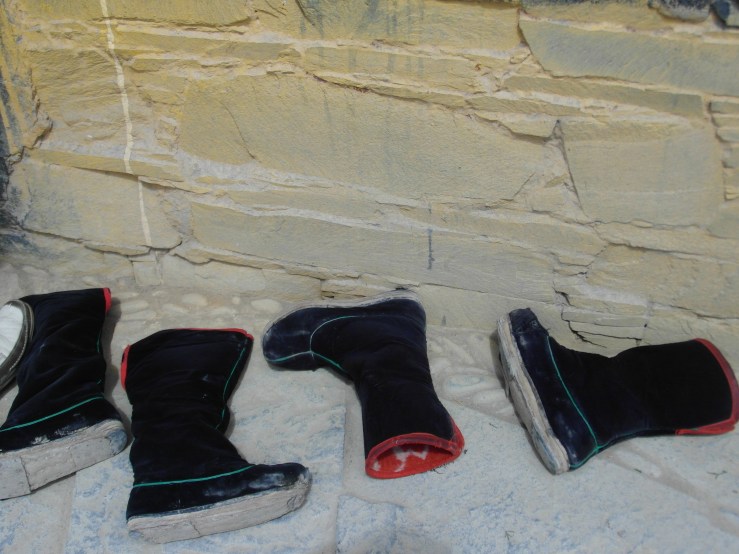
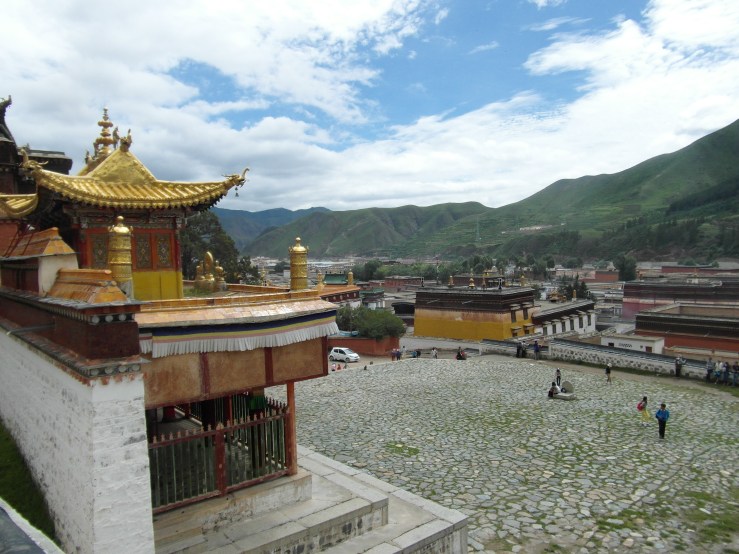
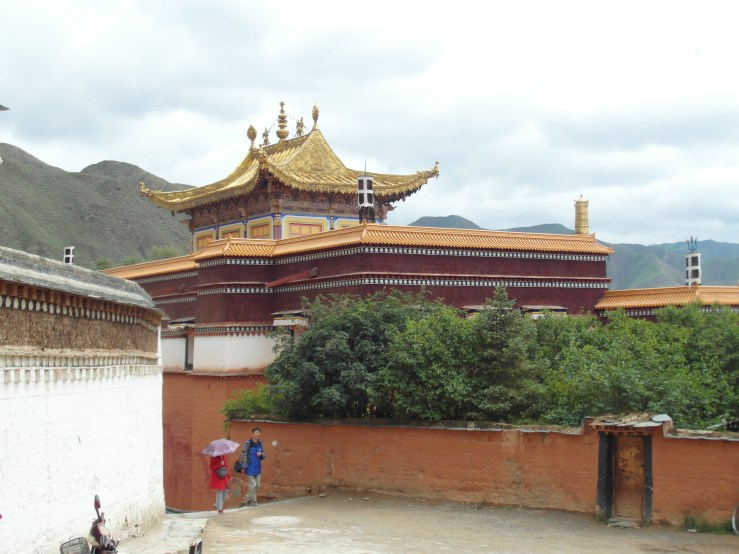
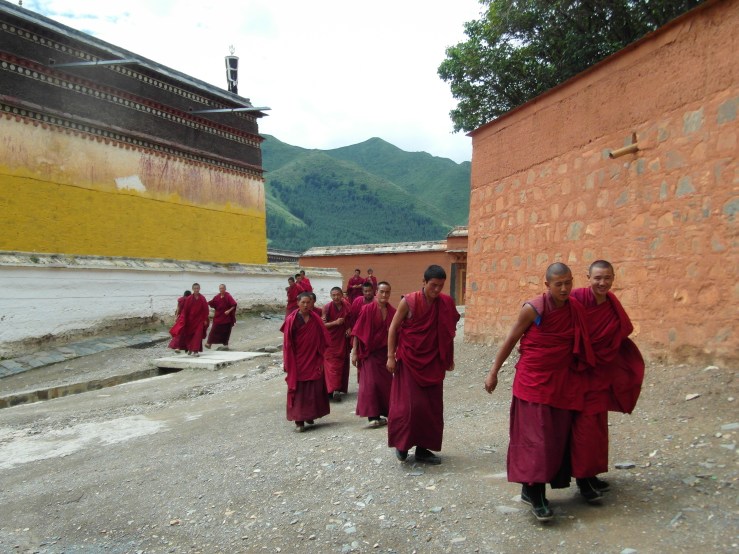
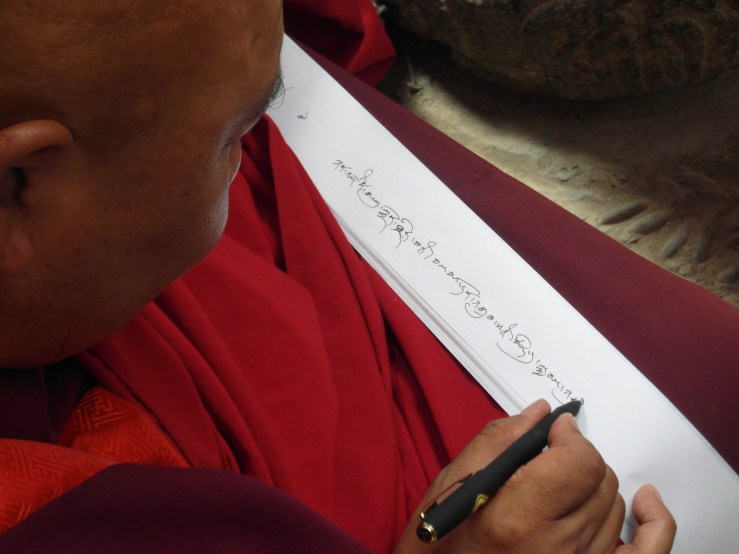
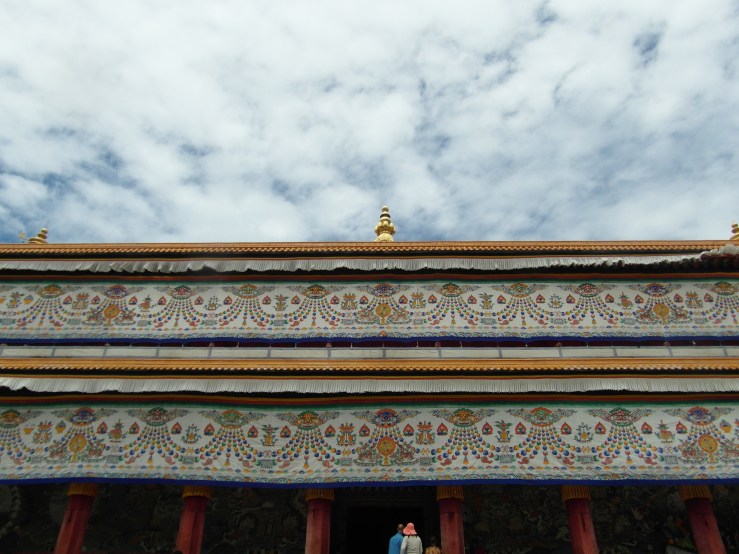
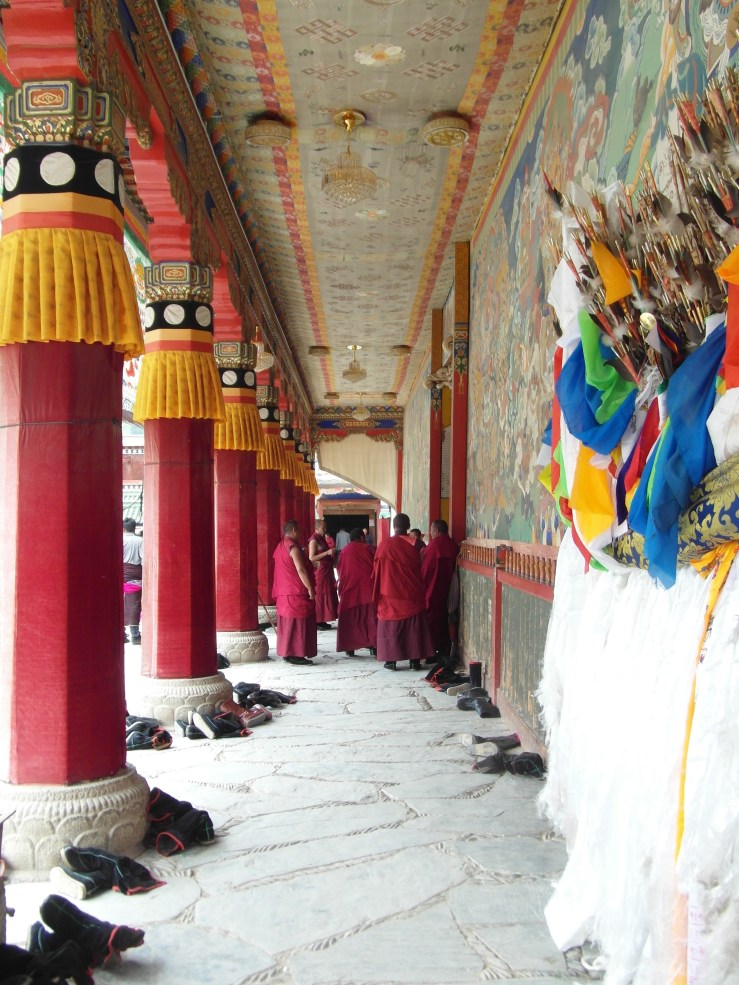

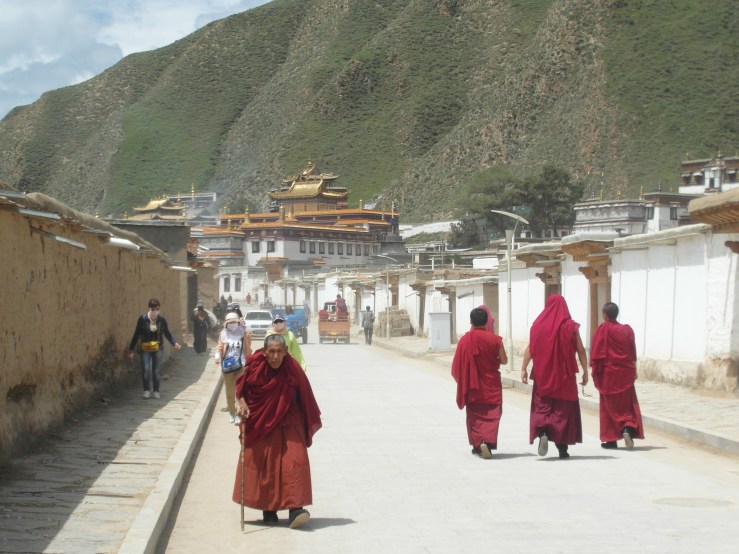
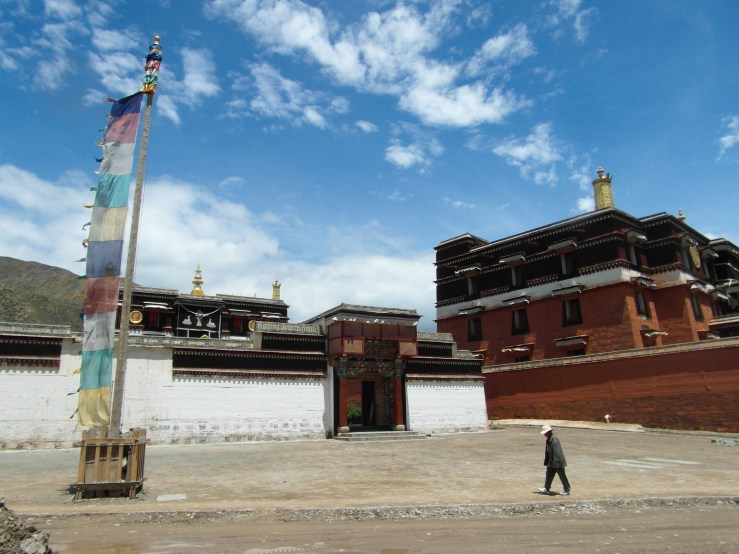

It is hard to describe a place like Xiahe. I heard of people loving it and of people hating it. Some saying it’s a rebuilt version of the former glorious monastery (which it is since everything of value in China was destroyed during the cultural revolution), some other appreciating the nature of the place, which is not only walls but people and culture. To me, Xiahe is still one of the most mystical and intriguing places I’ve ever seen, where everything including its shops are catered for the believer.
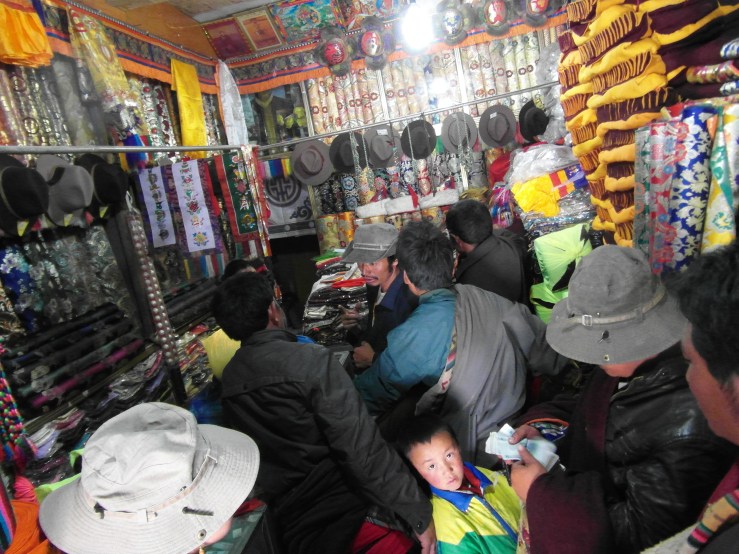

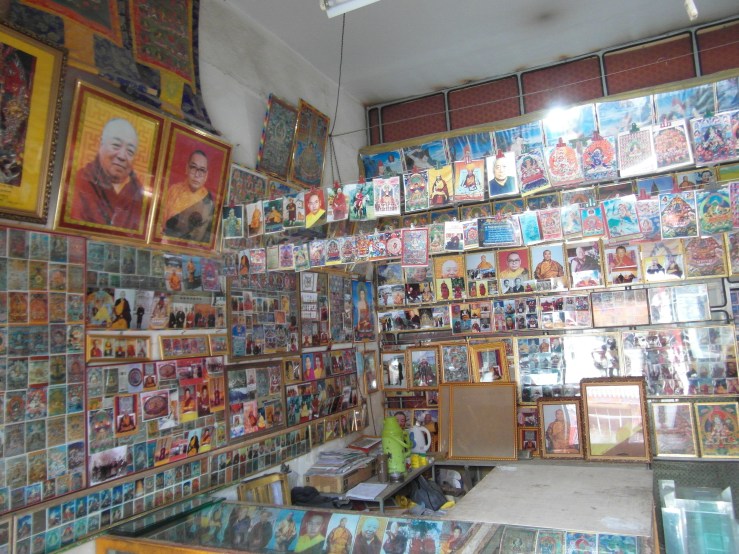
The visit to Xiahe lasted a single day that concluded with a dumpling based dinner whilst watching the Lion King with Tibetan subtitles.
Instead of proceeding north towards the rest of Gansu, the next overnight bus would have taken me to Xining, the capital of Qinghai and base for the next couple of stops, Qinghai lake and Ta’er monastery.
After arriving to Xining, the first stop was in fact Ta’er monastery, one of the few sacred places in China. The scale was not as impressive as the Labrang one, but it hosted a very special building. Specifically, one of the main buildings in the monastery called the Great Hall of the Golden Roof is said to be the heaviest fully gold roof in the world.
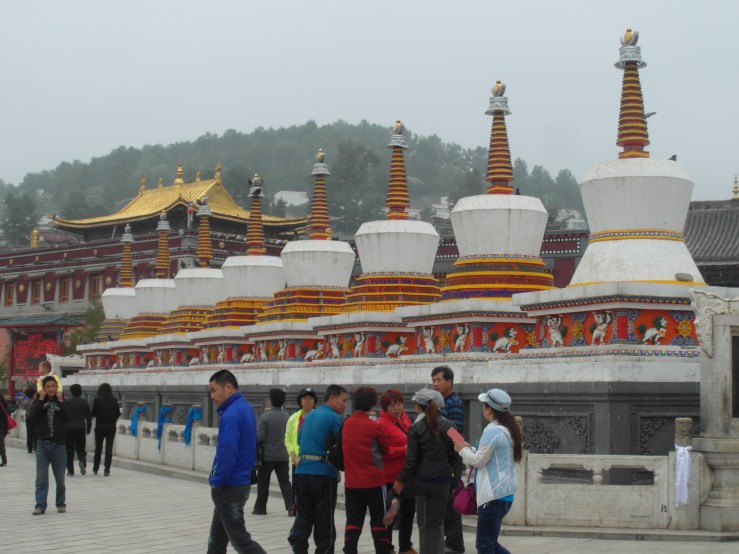
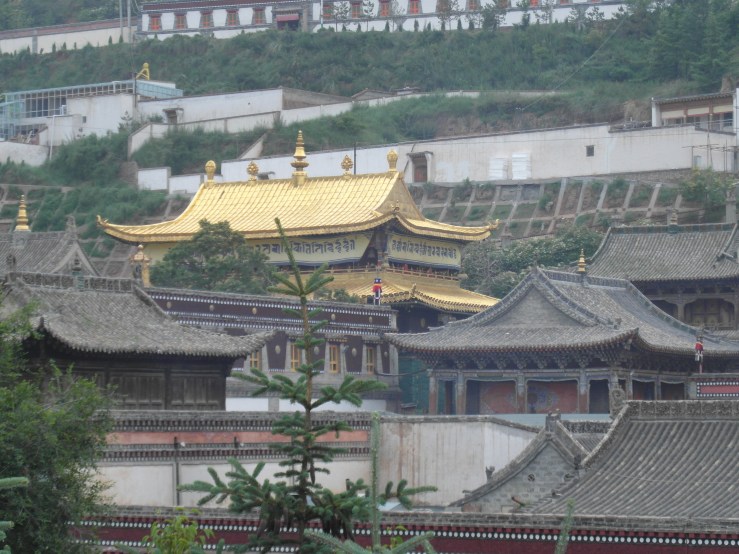
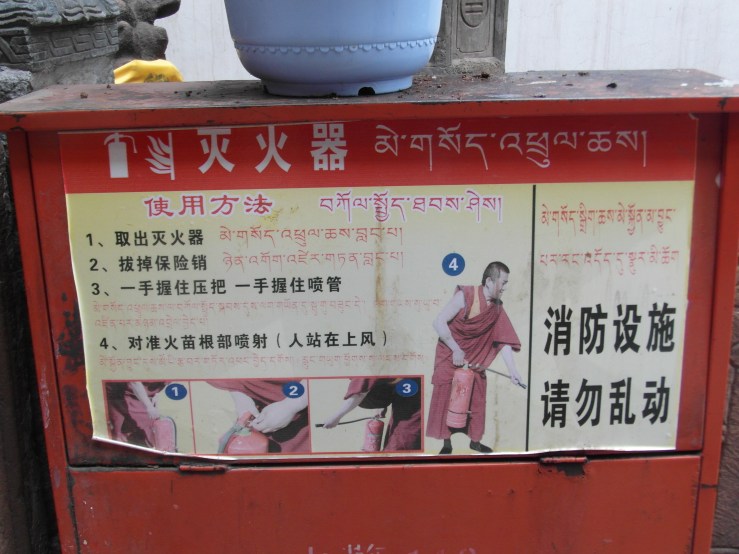
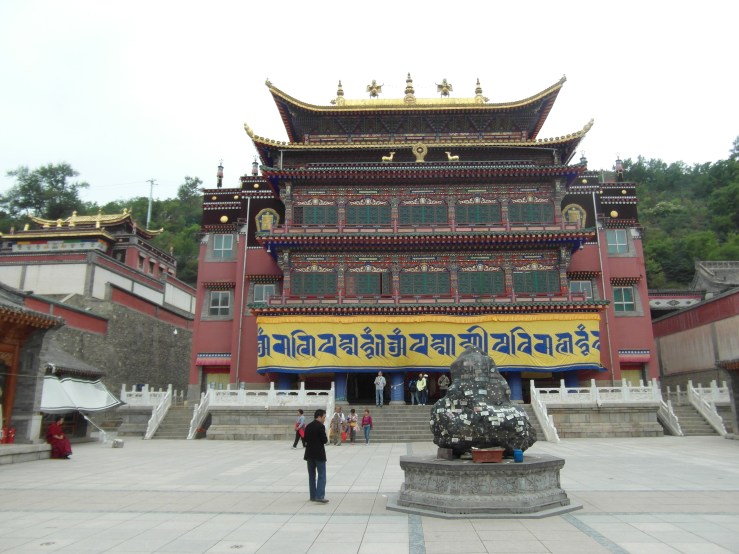

The tour in Ta’er was a brief one and soon I had to leave to Qinghai Lake, a massive lake at 3200 meters of elevation in a depression within the Tibetan plateau. Apart from being another spiritual spot in the area, it is also the biggest saline lake in China.
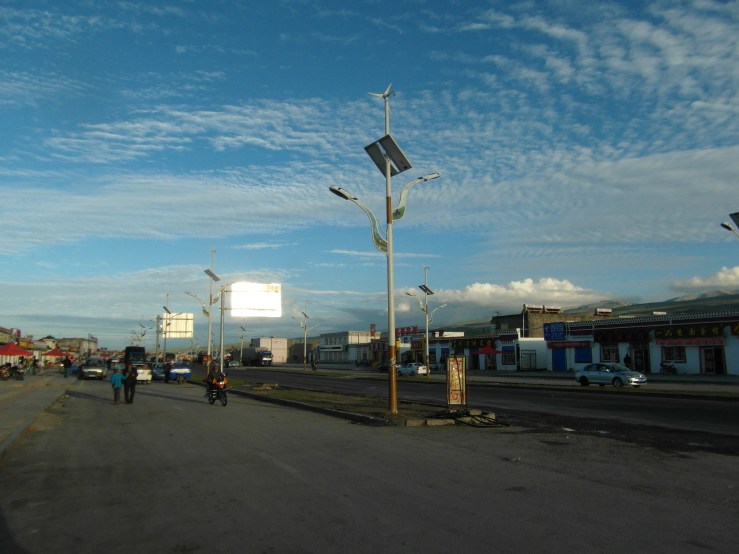
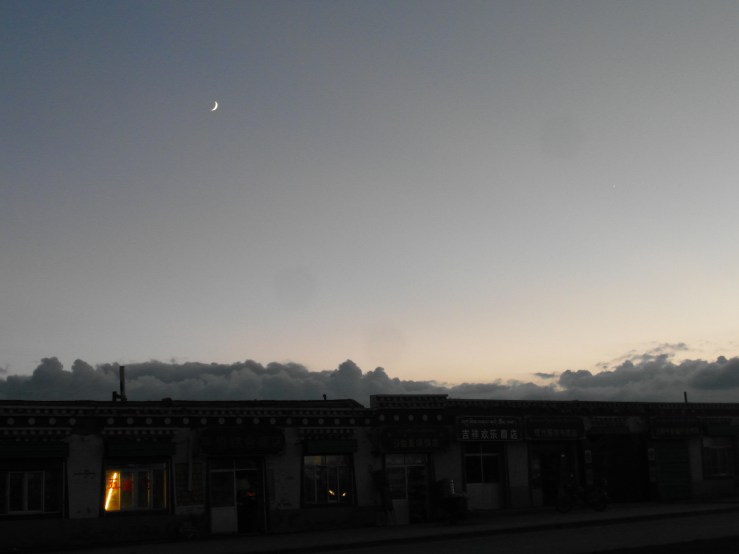
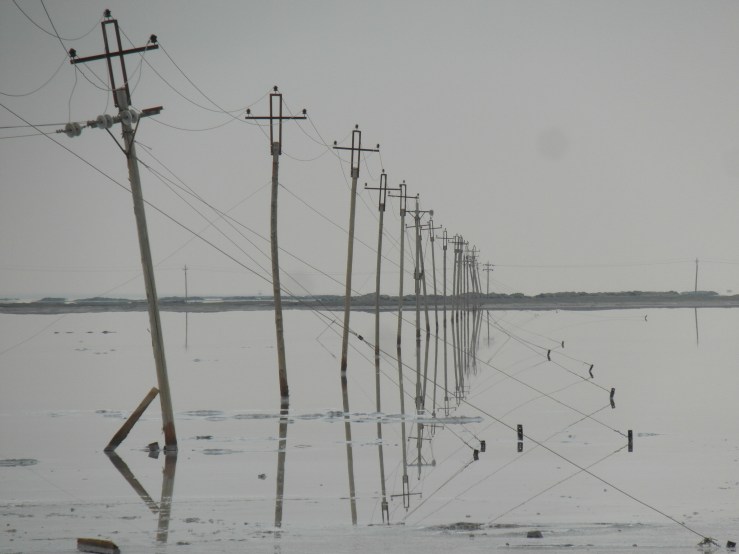
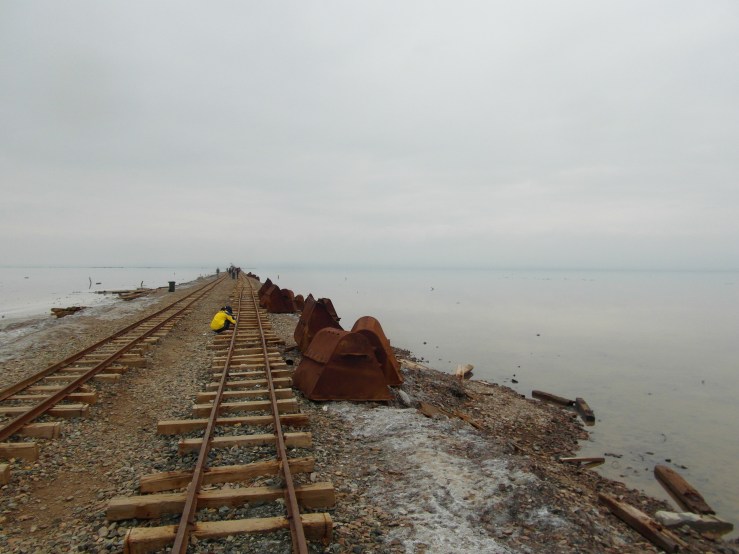
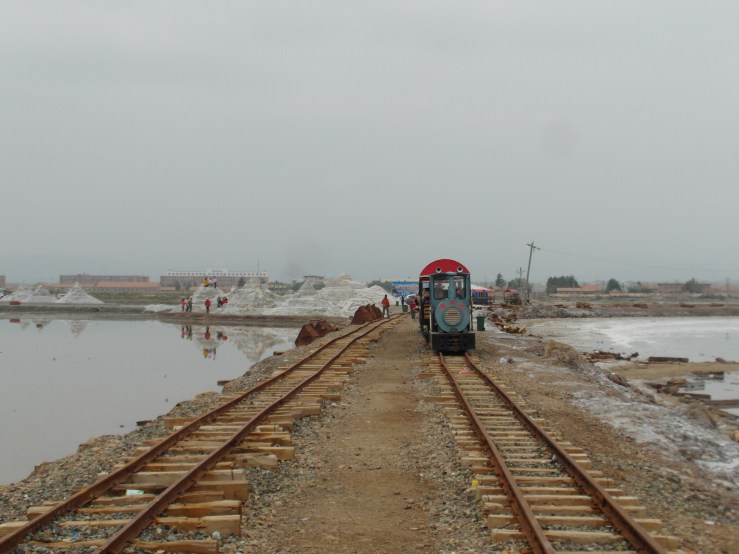
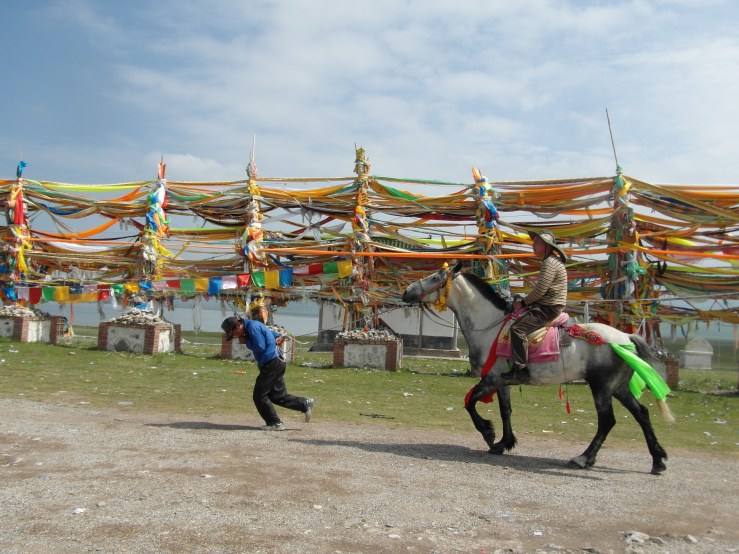
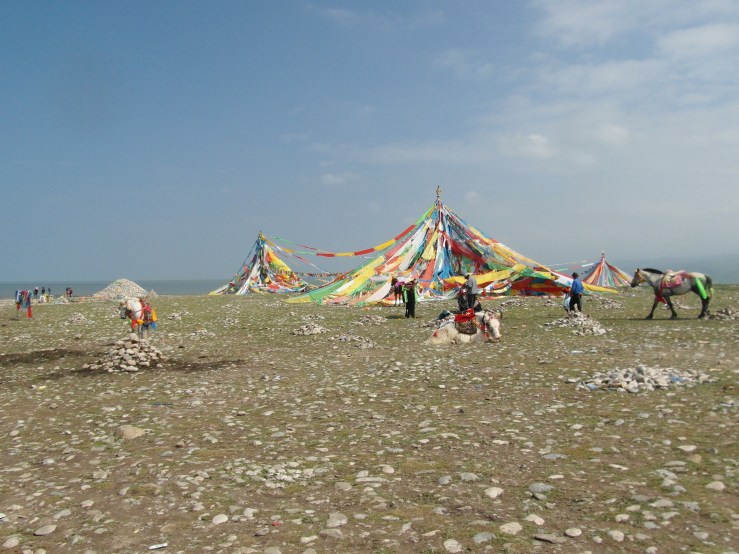
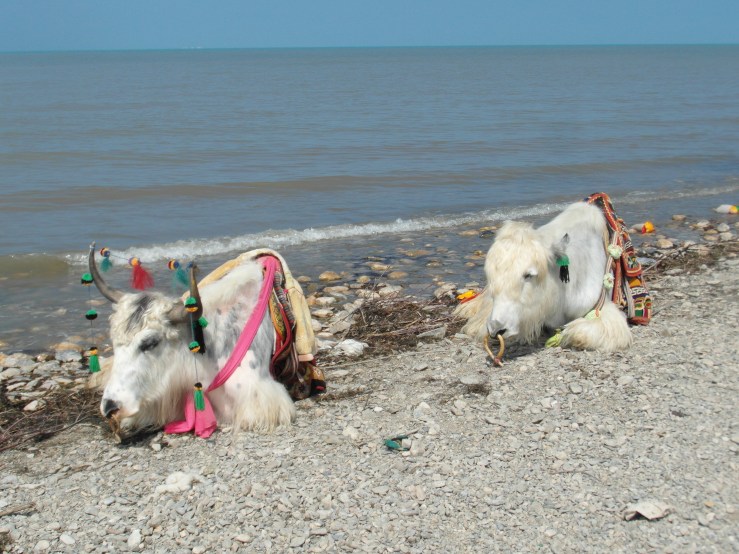
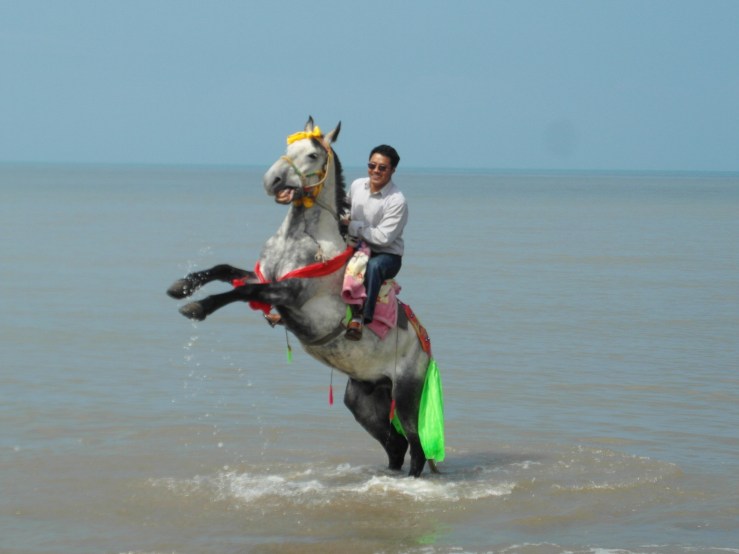
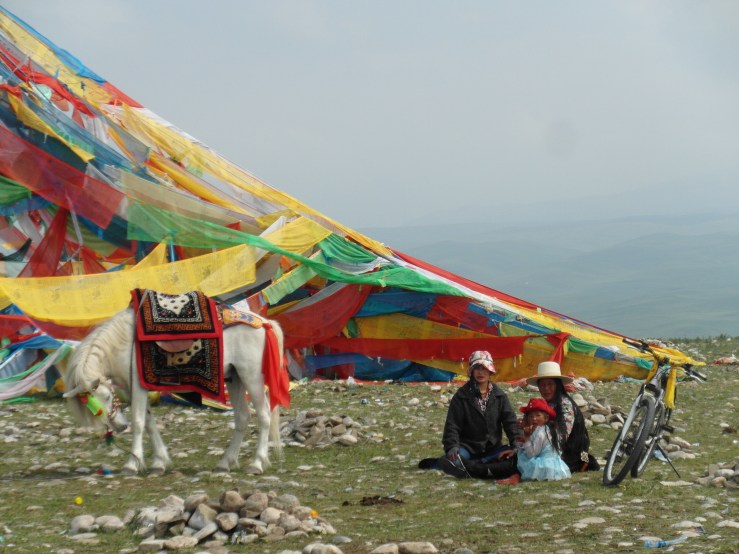
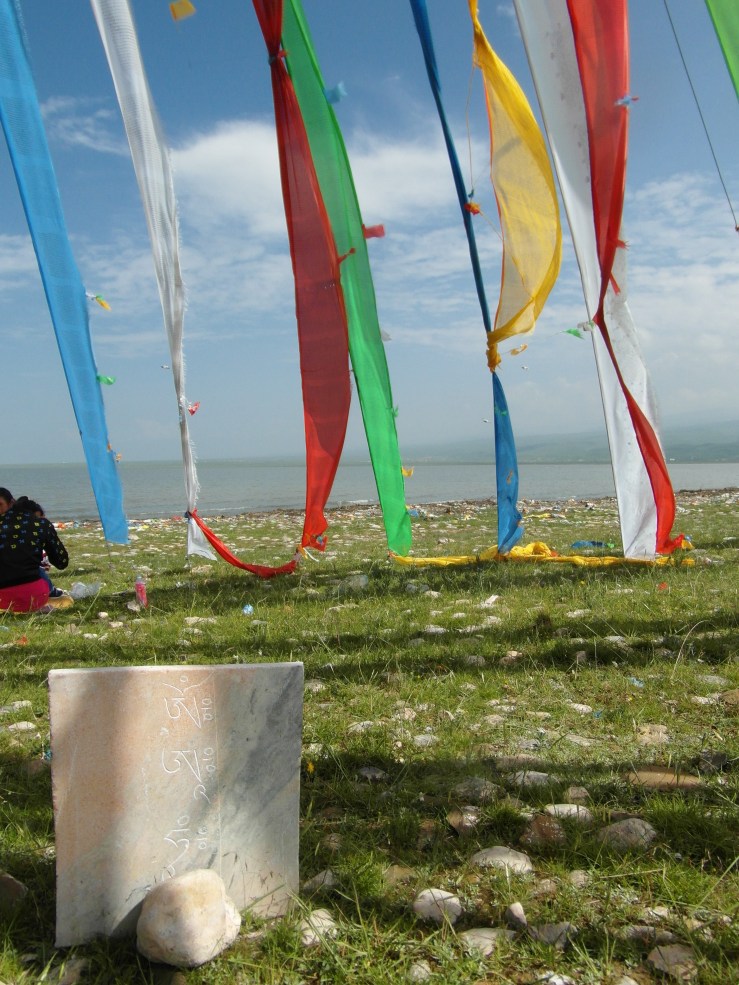
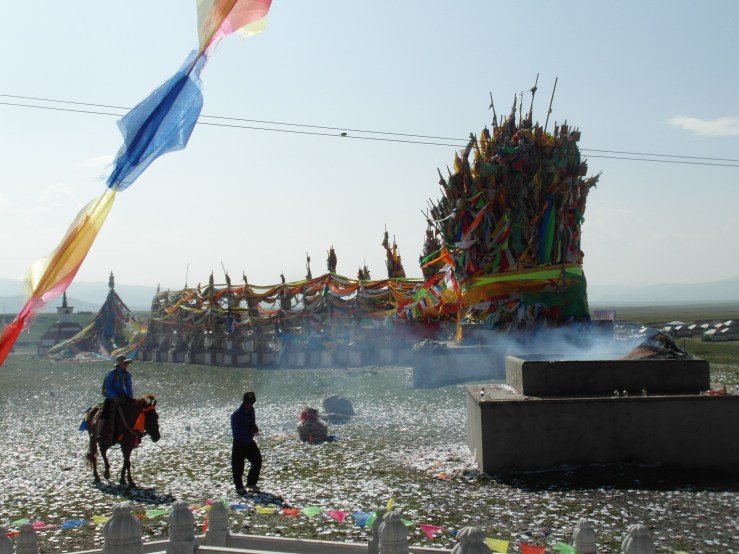
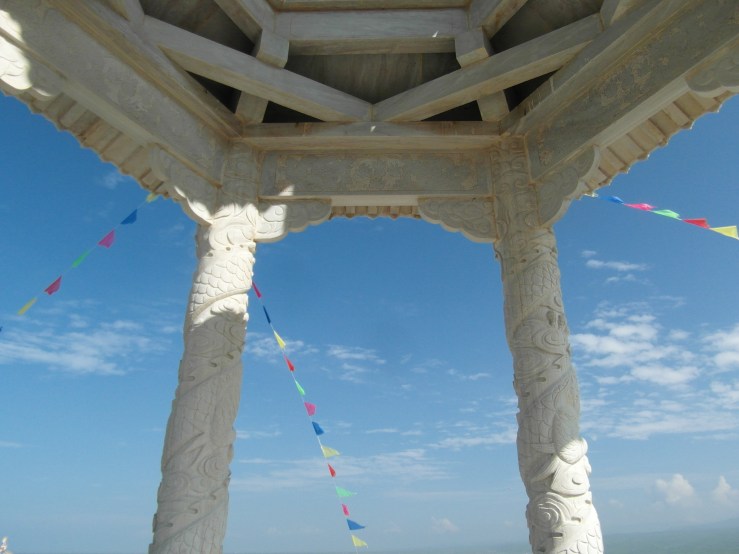
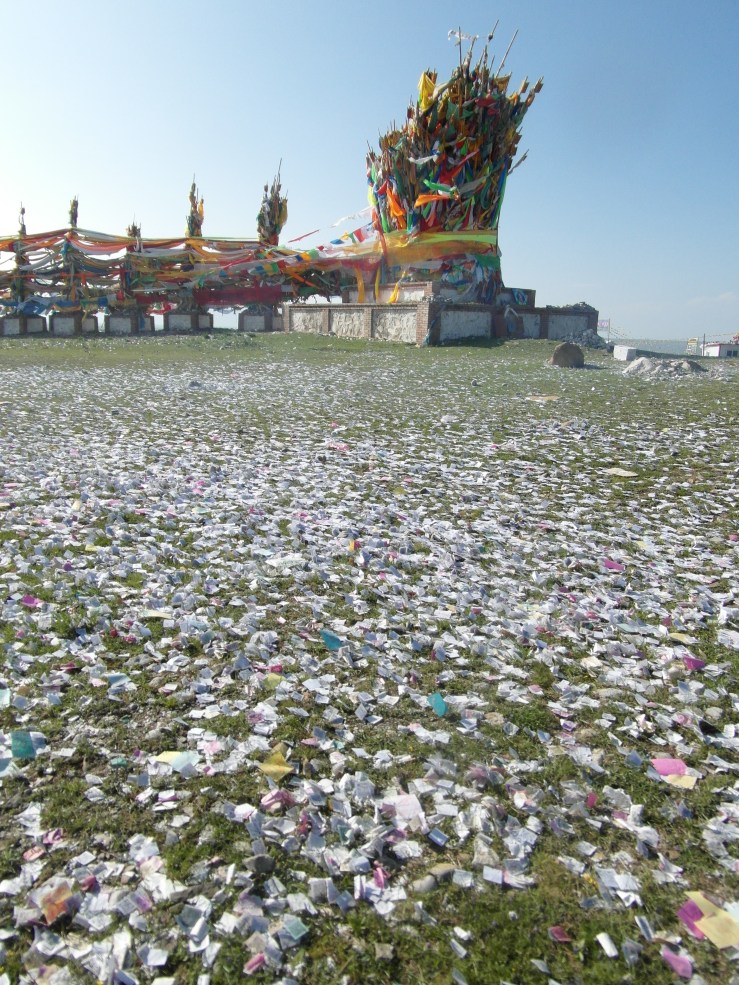
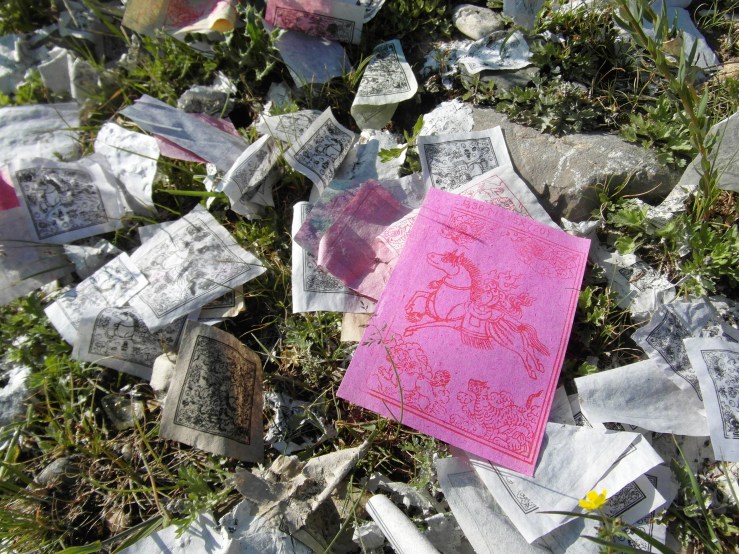
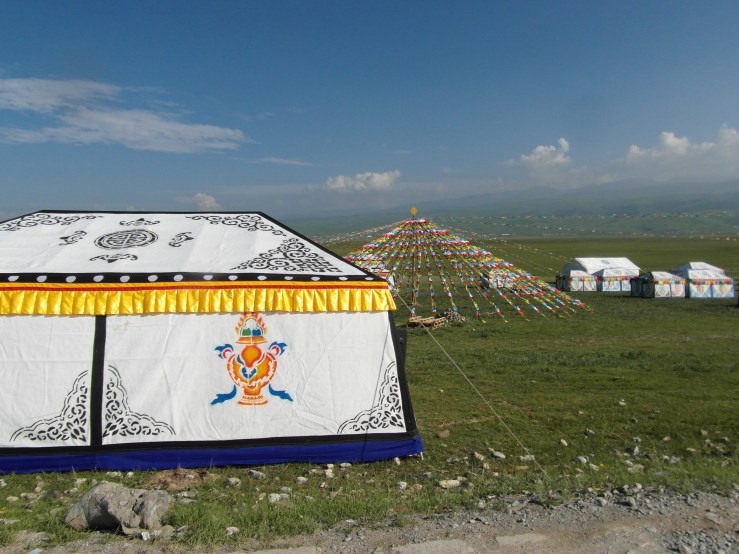
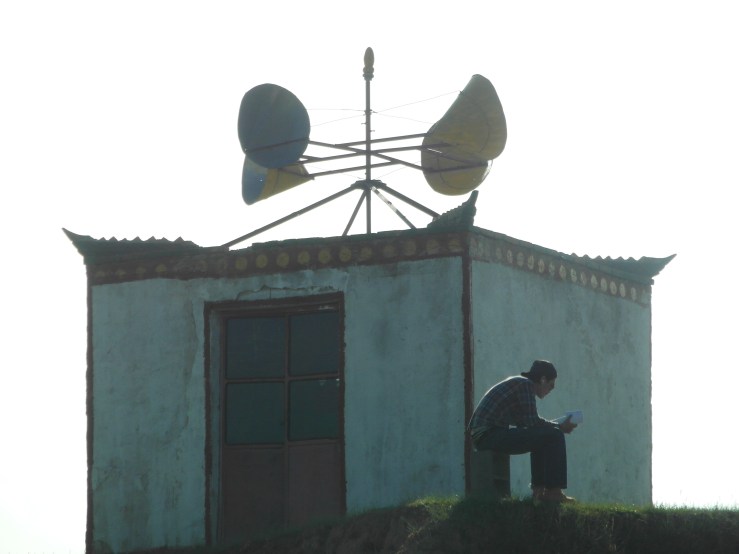
The lake itself was very peaceful and the Buddhist vibe was still very present. Tall structure adorned with flags were placed along the lake shores and small paper prayers were flying all over the place and covering the ground. While I was roaming around, a local monk asked to take a photo with me. He was very excited for some reason, but I was more excited than him. It was an unexpected request.
Time to head back to Gansu on another bus.
The view was beautiful.

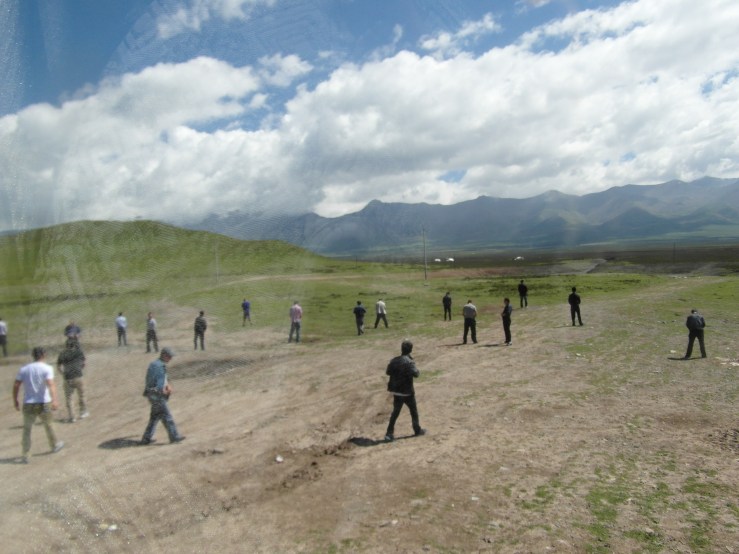
The toilet break as usual wasn’t so glamorous.
The trip was starting to get tiring, but there wasn’t time to rest yet. The next place on the list was another national park and from what I understood a very famous and studied one. All my friends back in China had studied that place in school.
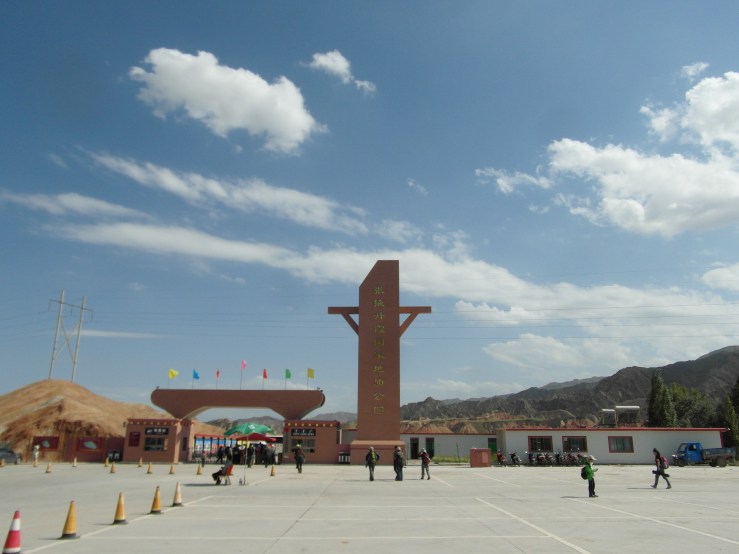
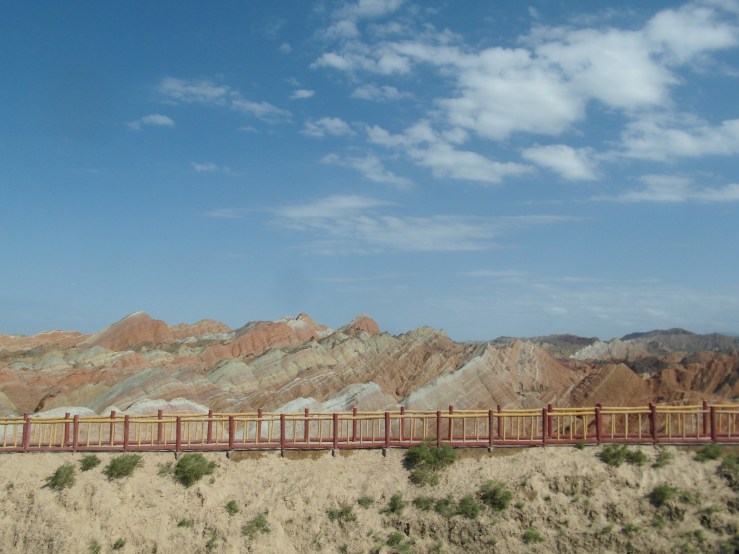
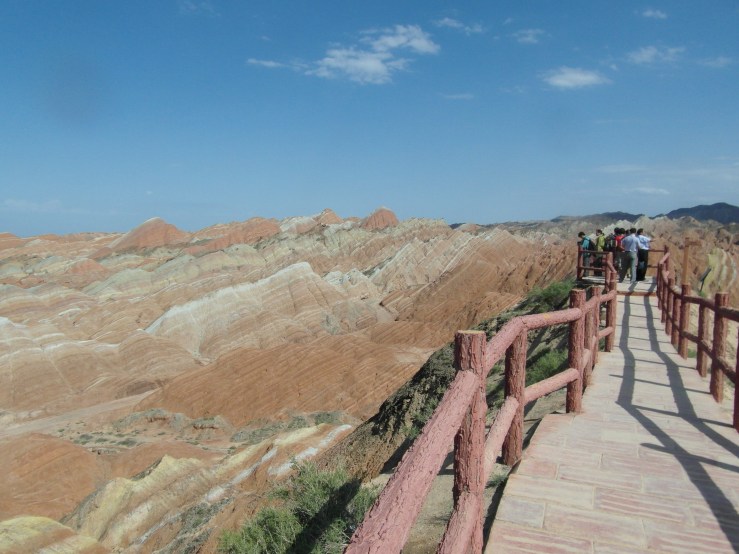
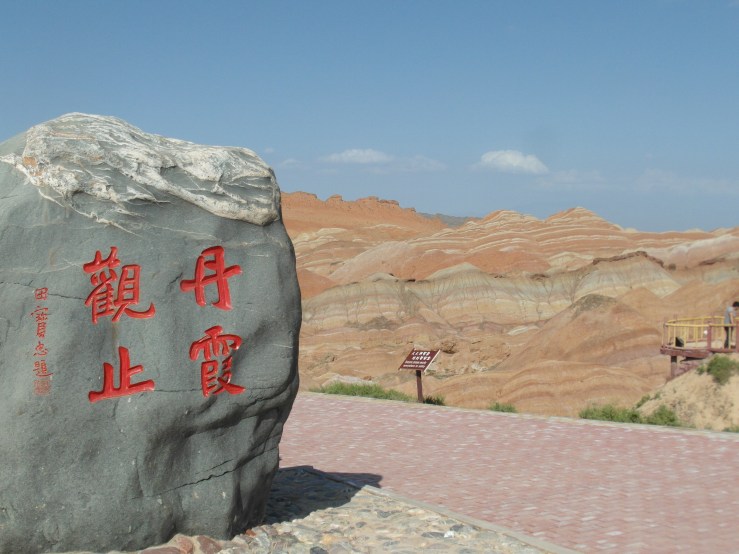
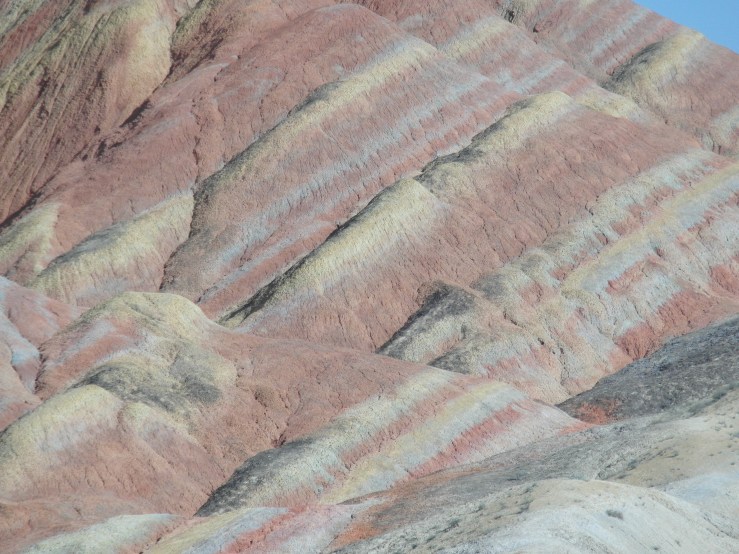
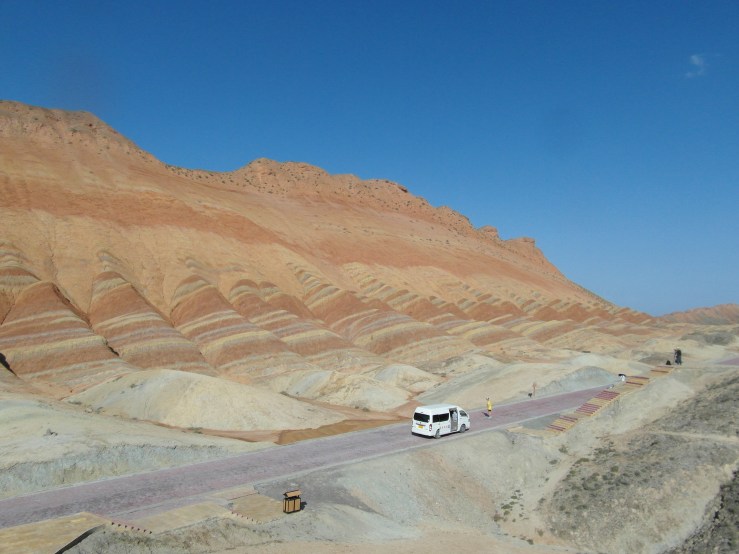
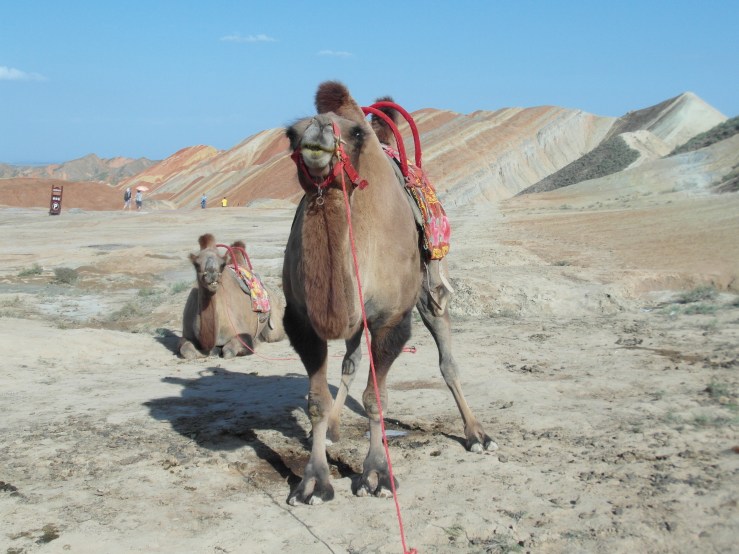
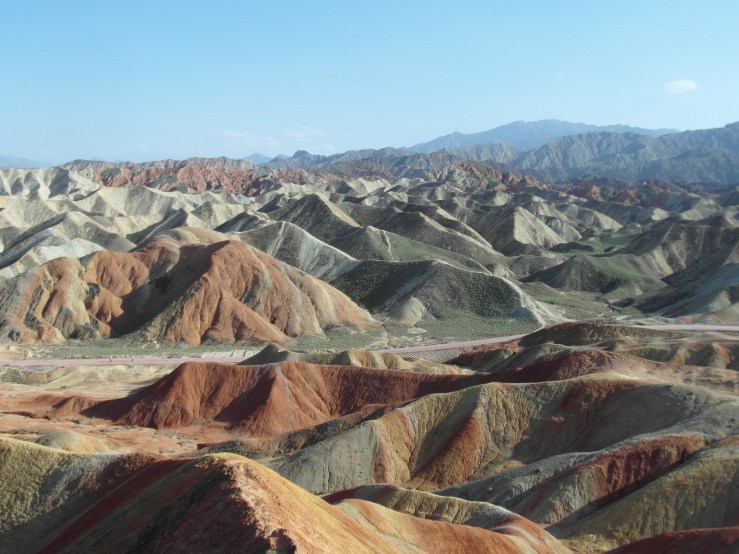
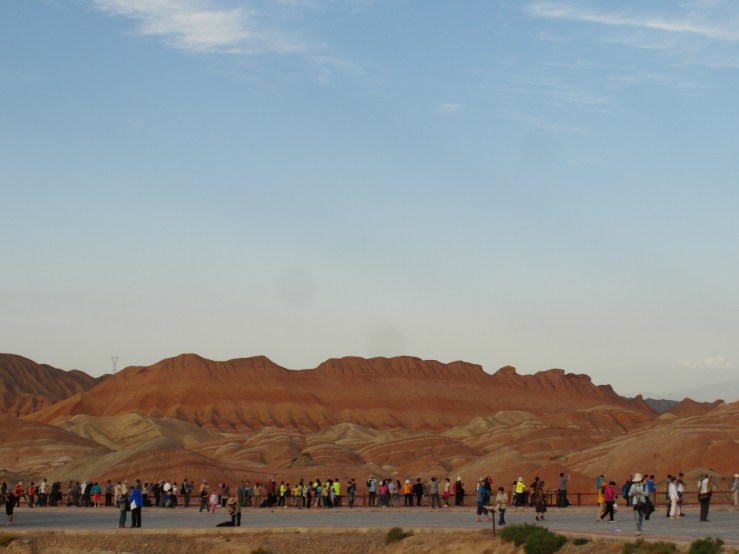
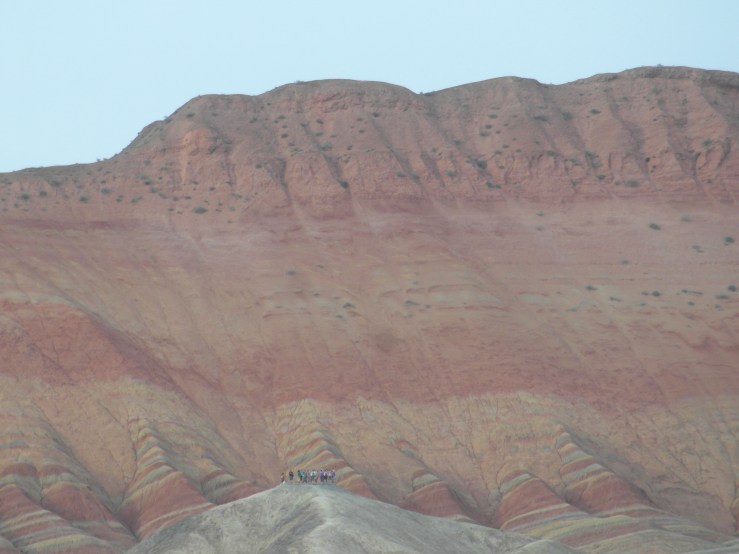
It was Danxia, a geological park near Zhangye notorious for its rainbow colored mountains. Numerous movies have been shot in that park with the stunning rocks as a background.
The temperature was scorching hot, but I still had my trusty cowboy hat on me and so I started venturing into that desolate, desert land.
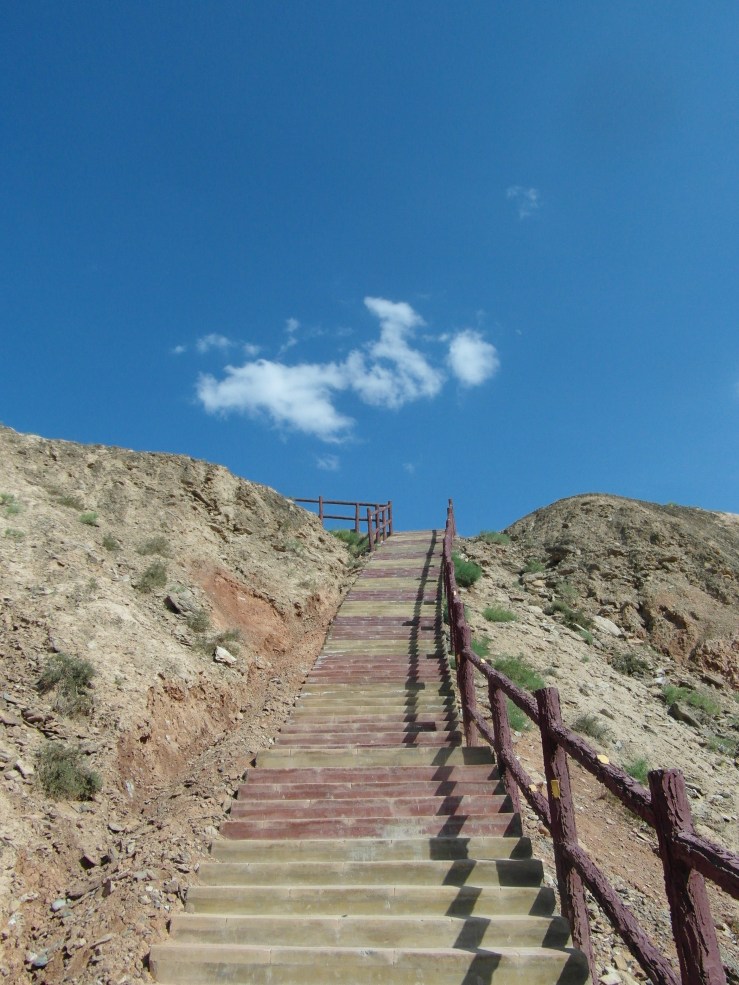
A lot of photos of this place available online are not showing the true colors of the rocks, but the collection below should fix that.

Dehydrated and hot, I headed to the train station just past sunset. Another desert was waiting for me. And the entry point to such desert would be Dunhuang at the northwestern tip of Gansu, one of the most important stops of the ancient Silk Road and almost at the border with the majorly muslim Xinjiang.
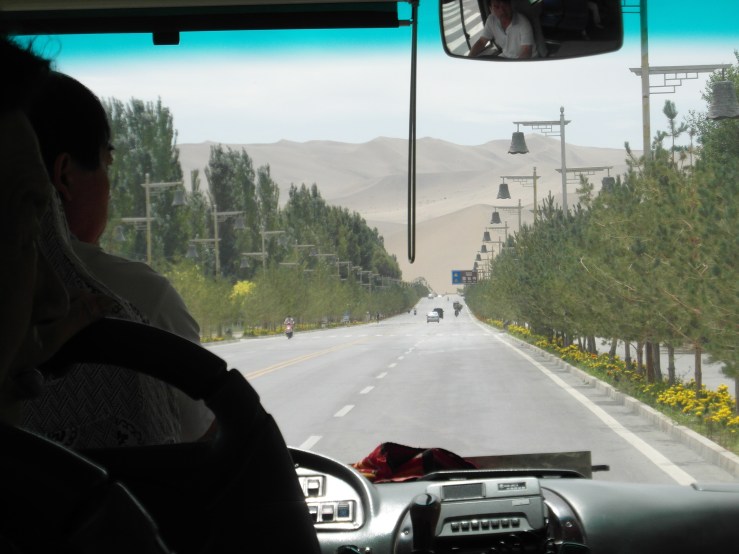
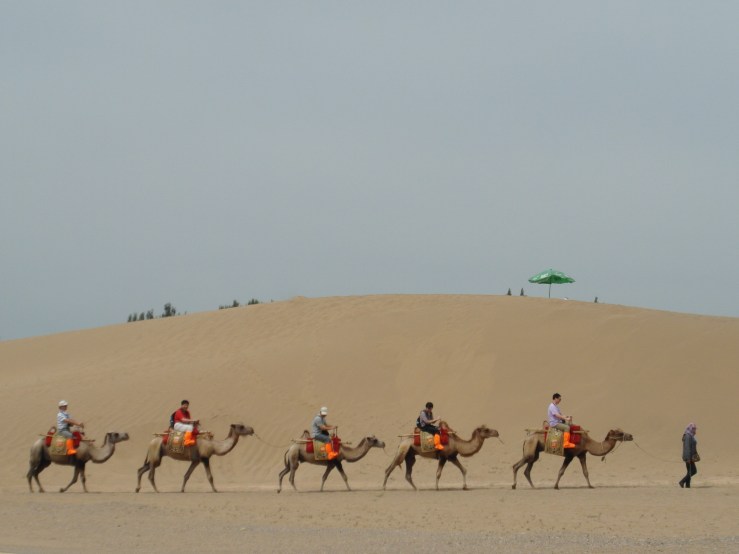
The Gobi desert appeared in the distance. All of a sudden, outside of the bus I could see tall mountains. I couldn’t tell yet, but those mountains were in fact sand dunes. The same dunes I’d be soon trekking riding a camel at a temperature of 50C.
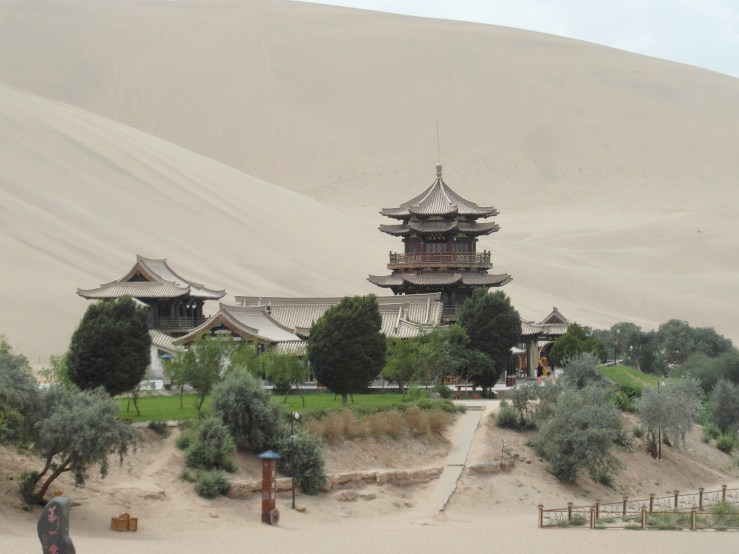
After about an hour in the desert it was getting too hot for me, but I still couldn’t see the Crescent Lake, an Oasis in between the dunes. Finally, I spotted it and quickly went towards it. It felt like a mirage for the whole time I was approaching it.



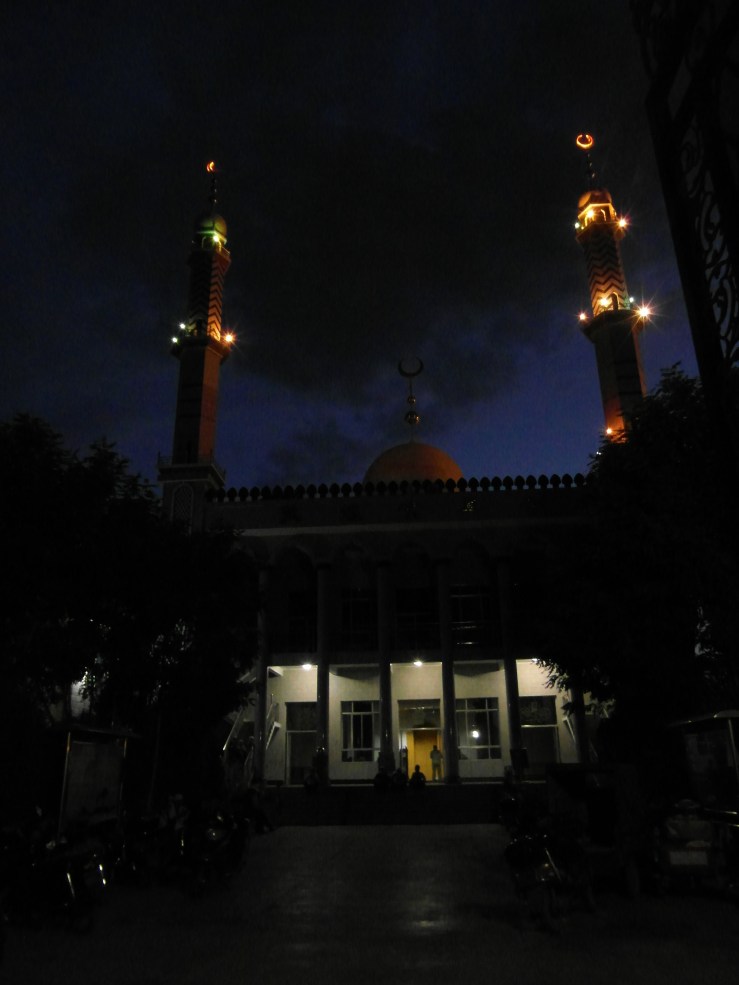
There was only time for a brief middle-eastern style dinner at the night market and then it was time to head back to Chengdu.
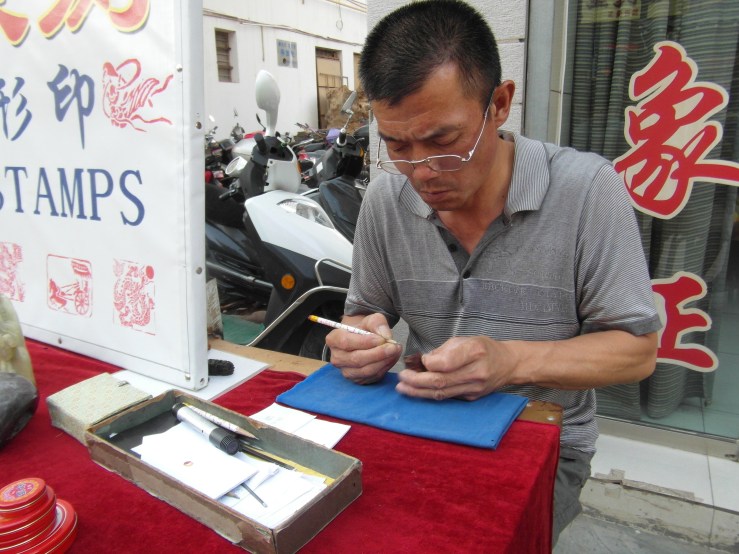
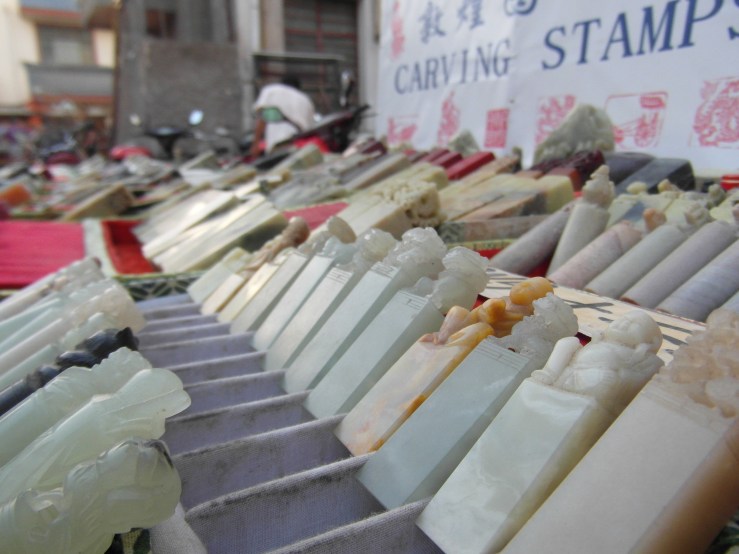
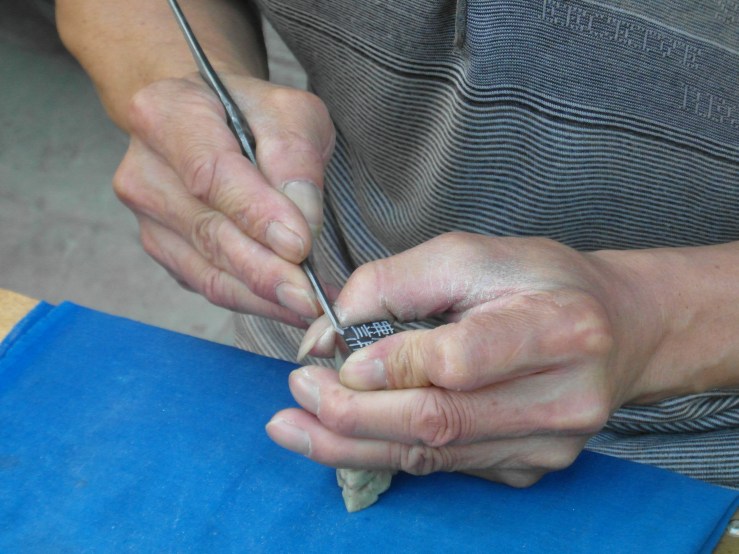
Getting my Chinese name on a stamp 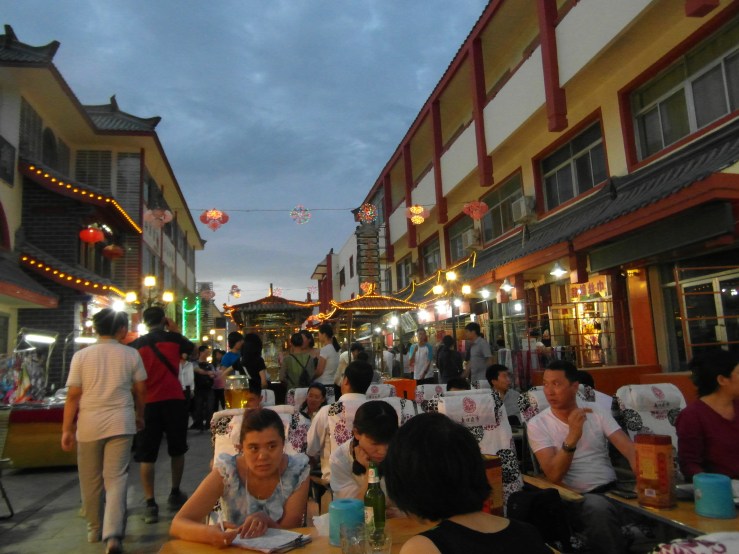
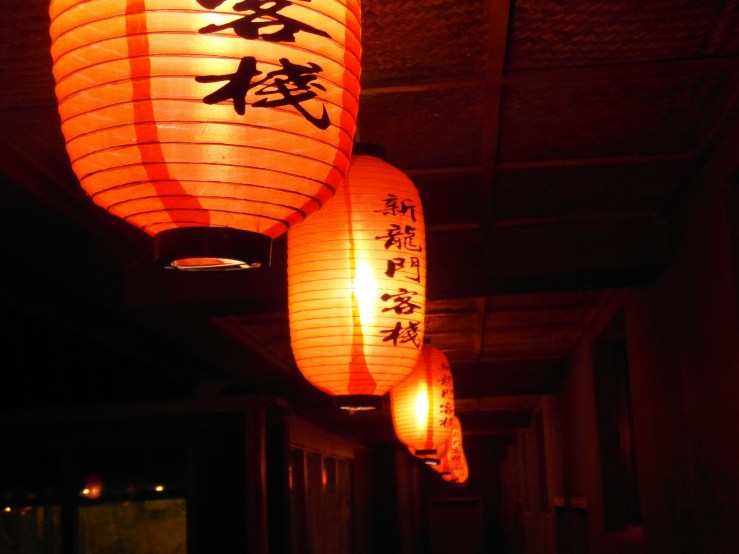
I had seen ancient forests, tall mountain ranges, deep valleys, wilderness, large lakes, massive monasteries, lush grasslands and finally deserts all in one glorious trip.
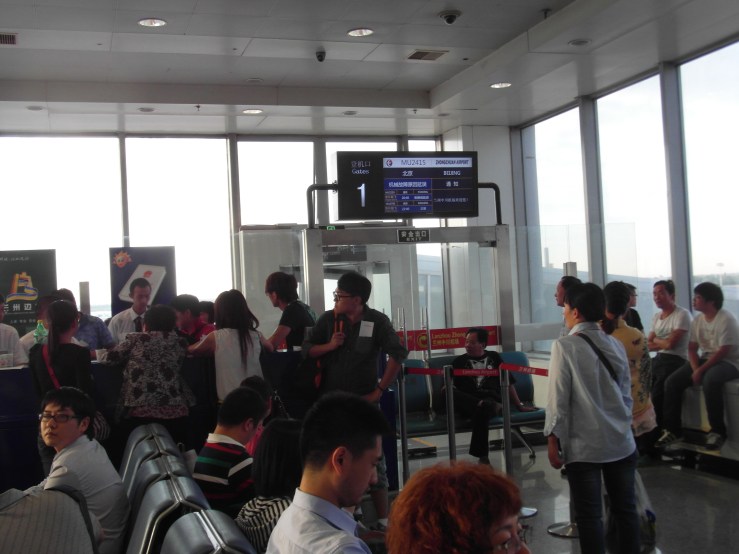
Nothing disappointed me, not even when the flight back to Shanghai got delayed as a group of people decided to block the gate and fight security because their flight got cancelled.
Don’t forget to leave your email below to receive a notification when a new post it out!
 The Voyaging Snapper