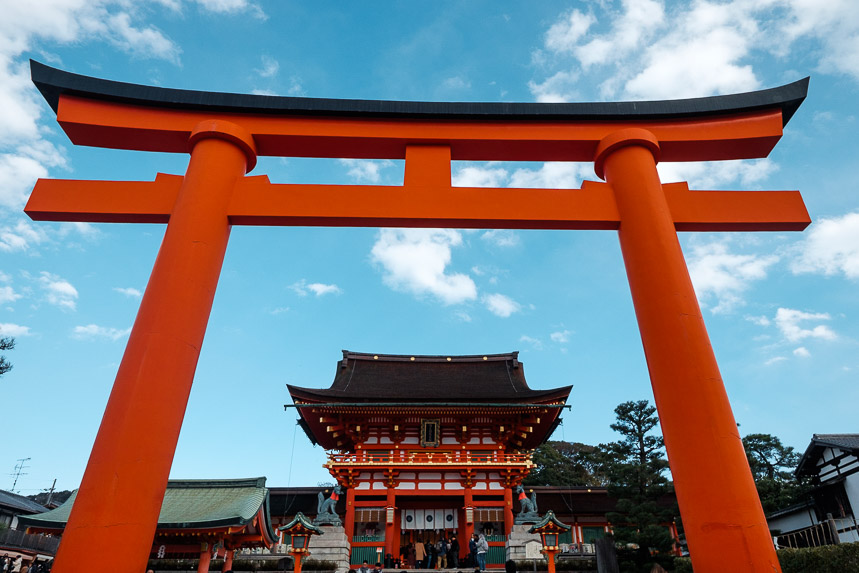
If you know me, you would probably know that Japan has never been on my travel radar. Sure, I do enjoy Kurosawa’s movies or Hisaishi’s soundtracks or the cultural heritage, but I’ve never really considered Japan as a travel destination.
Eventually, I found myself going there during a period in between the glorious autumn season and the snowy winter one. The foggy bit basically.
Japan was one of those trip that I had to plan in order not to blow my budget straight away and that turned out to be the right choice as I travelled all the way from Osaka in Kansai to the Hokkaido resort town of Niseko. Skiing in Japan has been a bit of a objective for me after so many years away from the slopes.
With moderate expectations, I started the journey in Osaka, in the Kansai region.
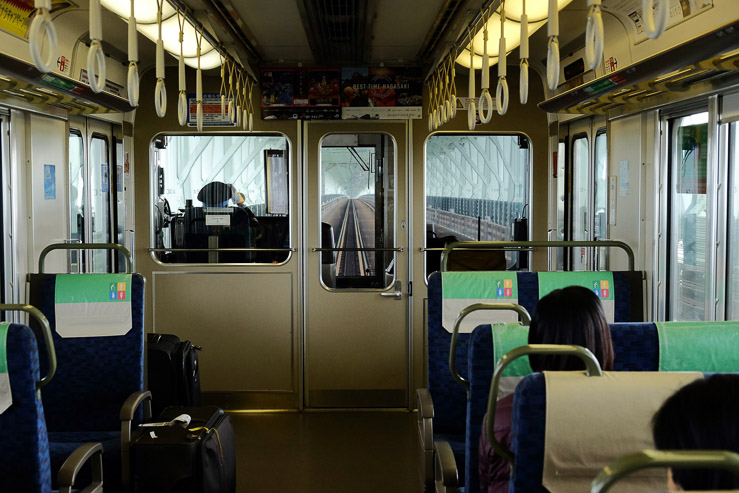
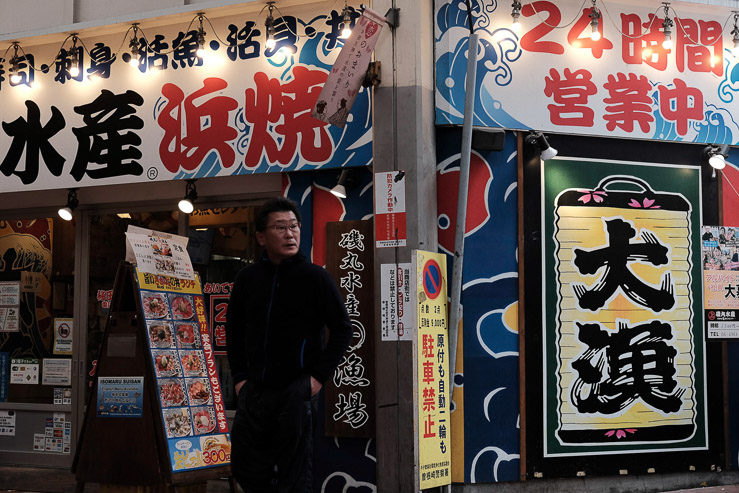
My first objective of the day was to find an Okonomiyaki restaurant so that I could try the traditional dish.

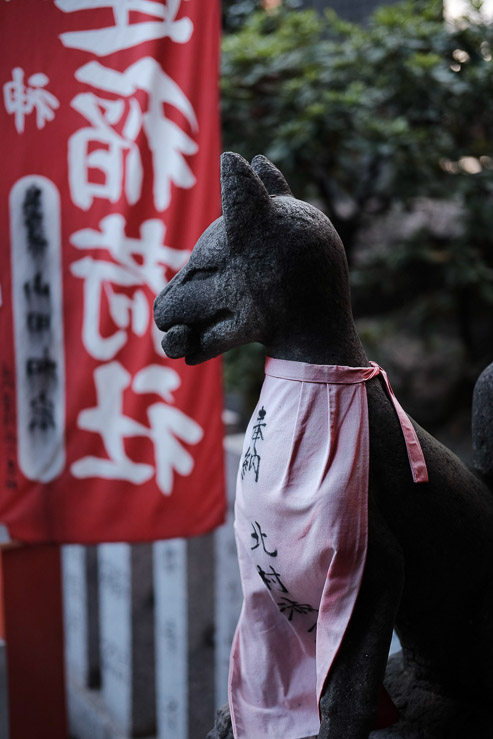
On the way, a quick stop to the nearby, and also the first of the trip, shinto shrine: Ohatsu-Tenjin. Most informative signs were written in Japanese, but I managed to find a small one that explained about the love tragedy that the shrine is dedicated to.
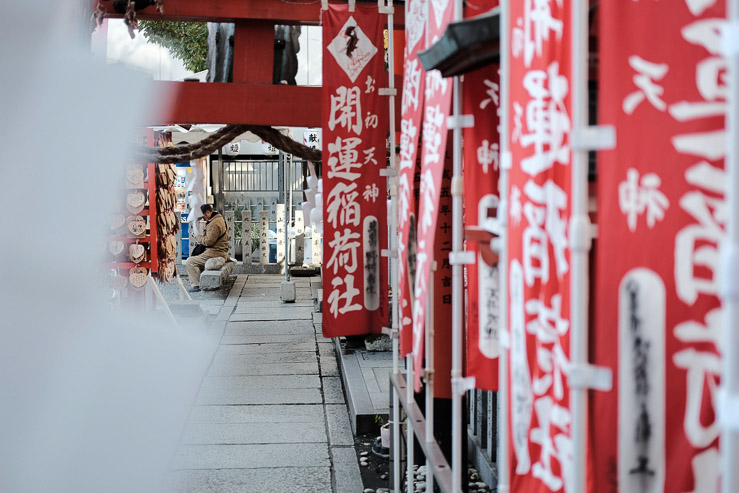
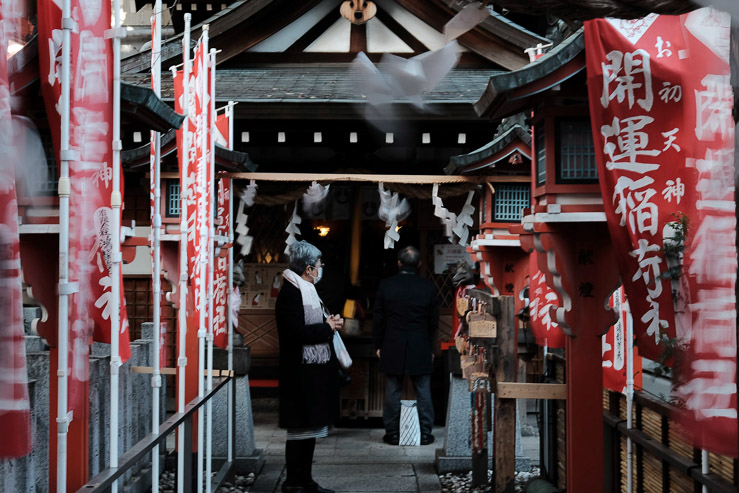
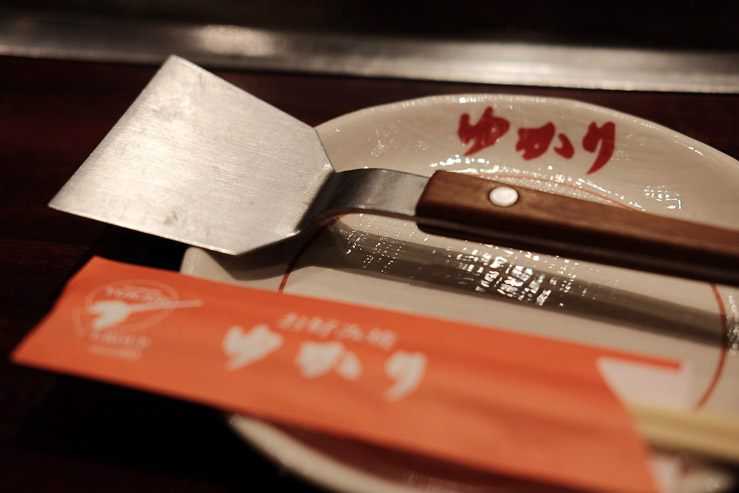
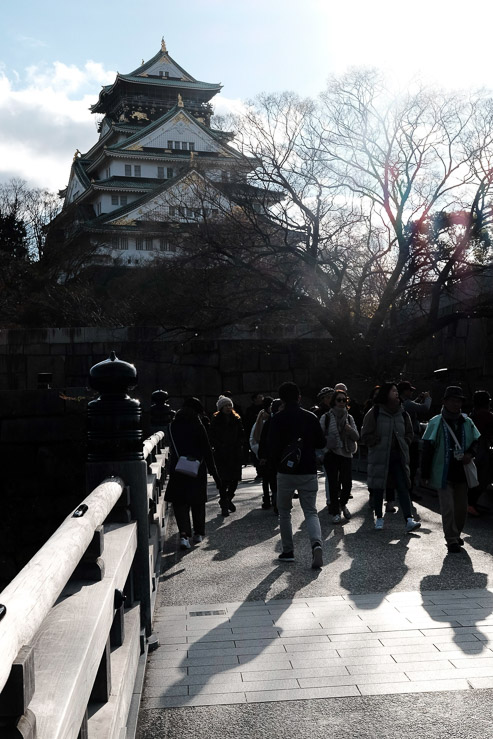
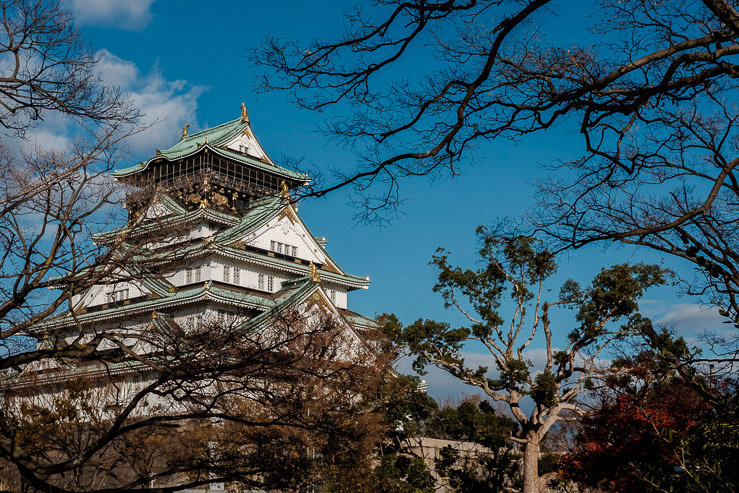
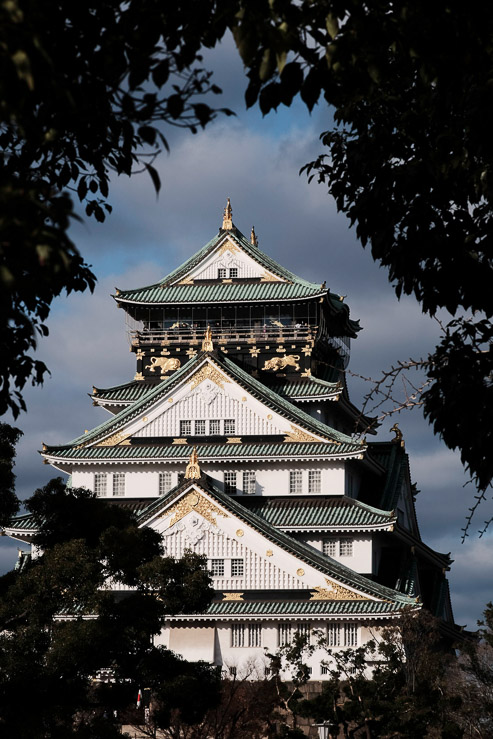
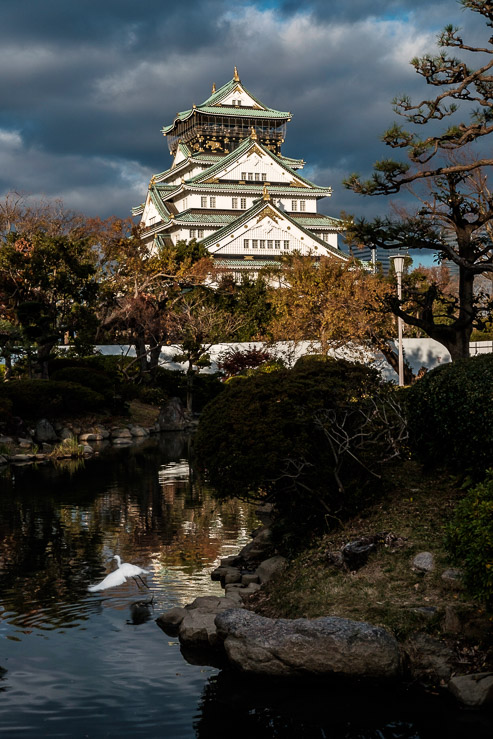
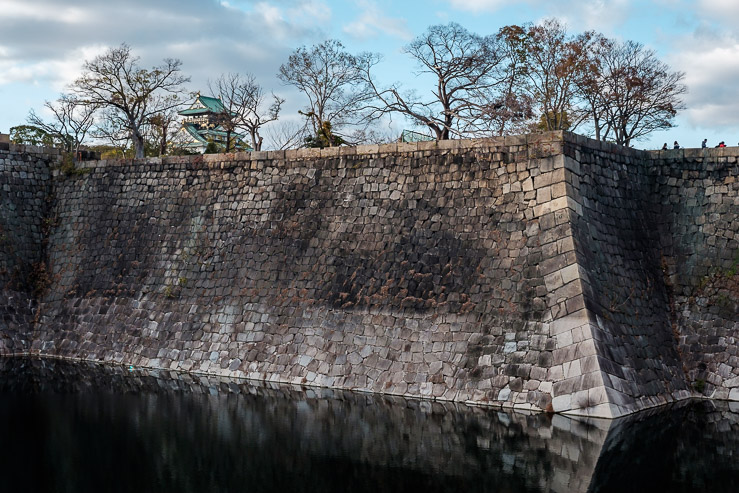
The first day quickly went by as I mostly explored around, but I still had time to spend a couple hours at sunset around the Osaka castle grounds. Quite impressive, the castle gave me the first glimpse of what I would see at Matsumoto and Himeji, the two castles I was really looking forward to and that required quite a detour.
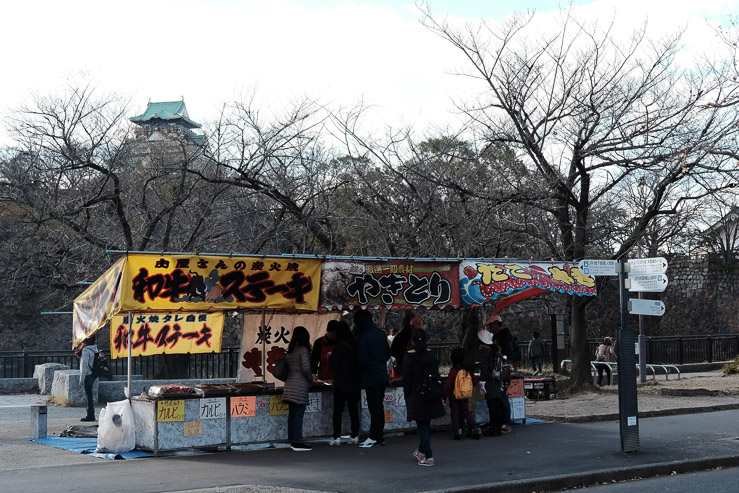
Thankfully Osaka is quite famous for its Dotonbori area which is a lifesaver during winter since it’s opened for a long time after dusk.
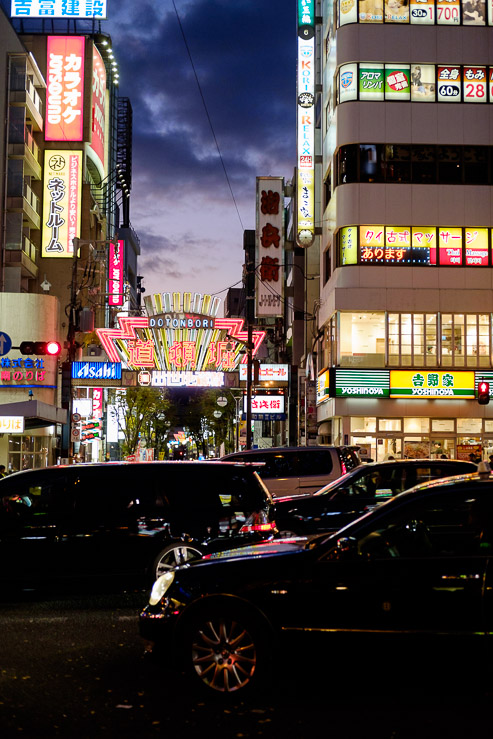
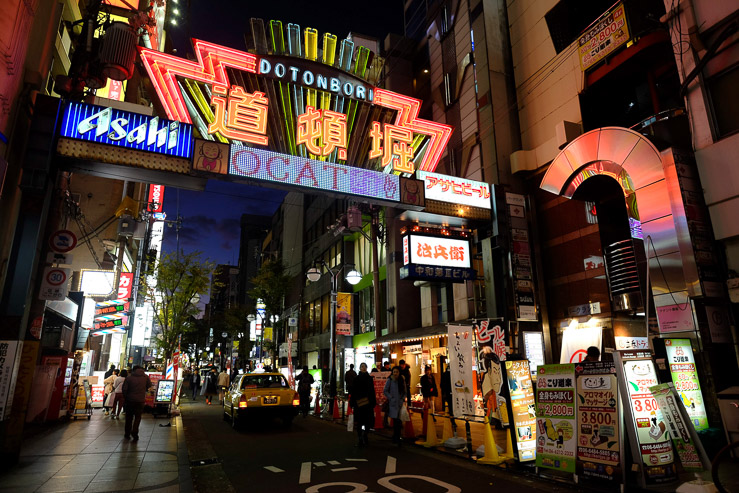
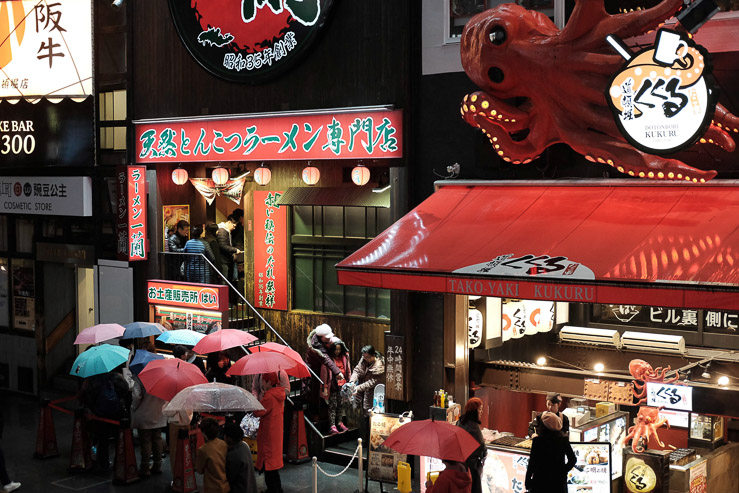
Before heading over to see the Glico man, I headed to a famous Takoyaki place on the Dotonbori street where I was interviewed by a local tv that asked me: “wow how did you even find this place?”. Lonely planet has got all the answers. It also led me to a tiny and quiet shop within this incredibly bustling street where I had an amazing Kitsune Udon. Who knew such a simple dish could be so delicious.
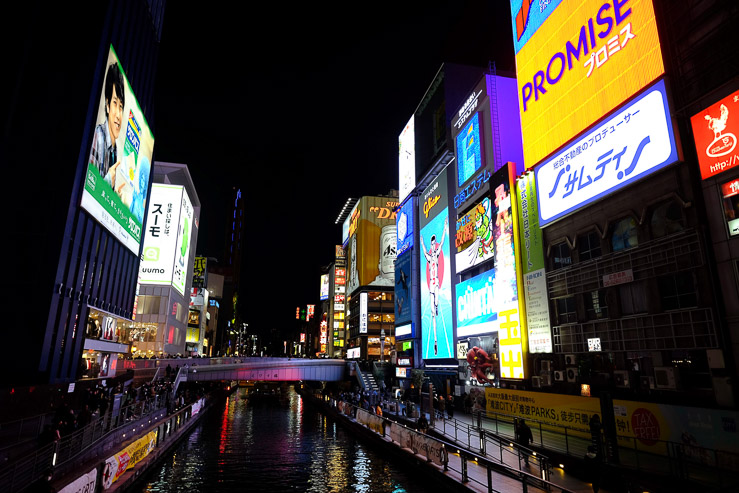
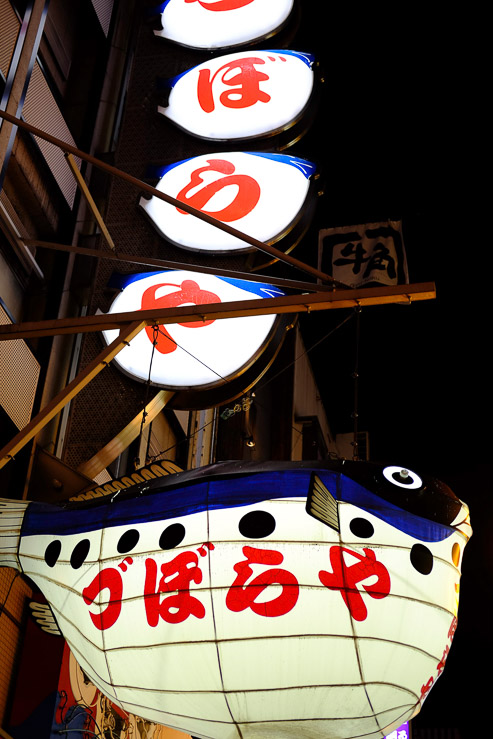
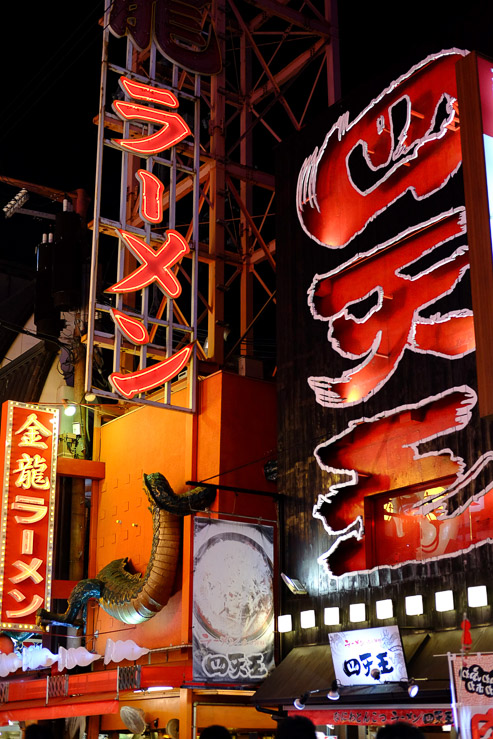
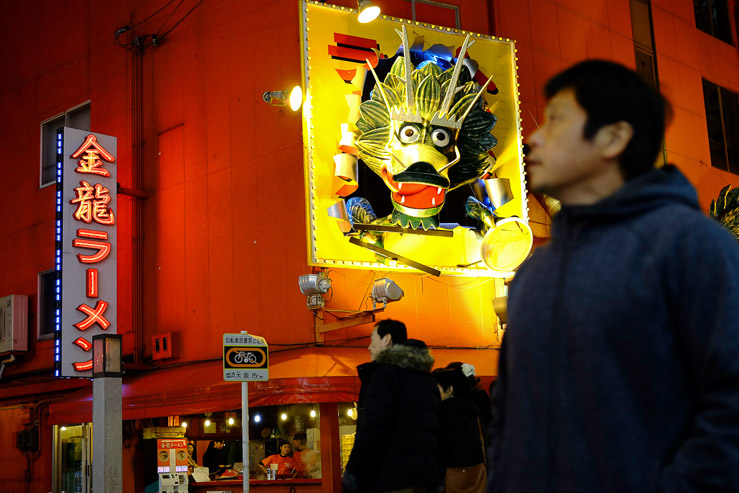
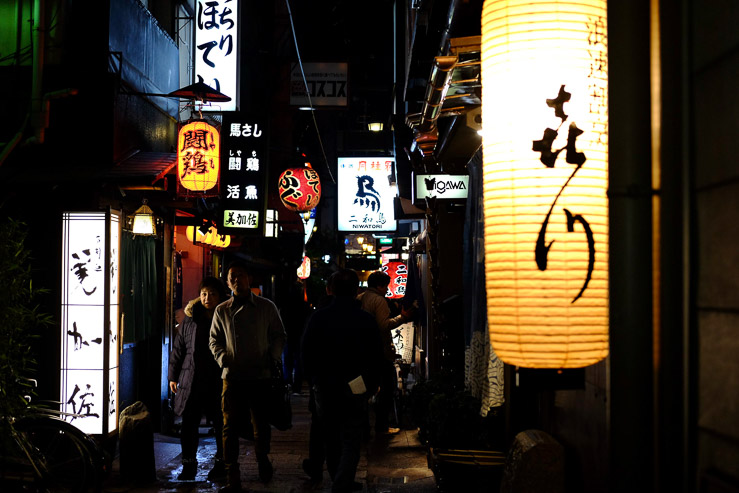
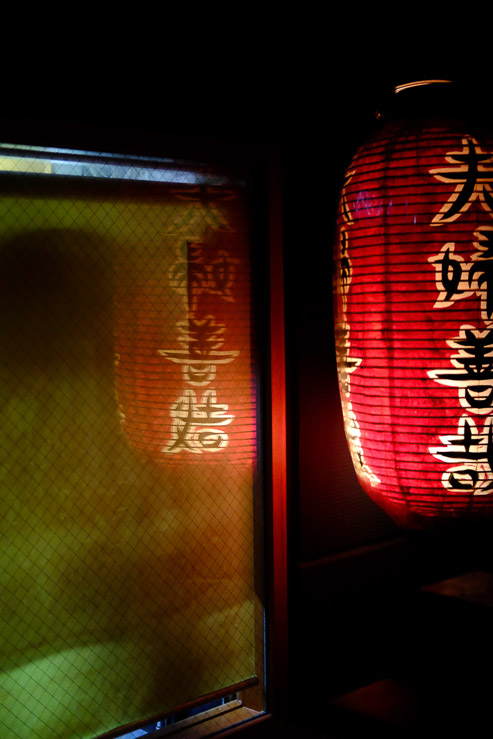
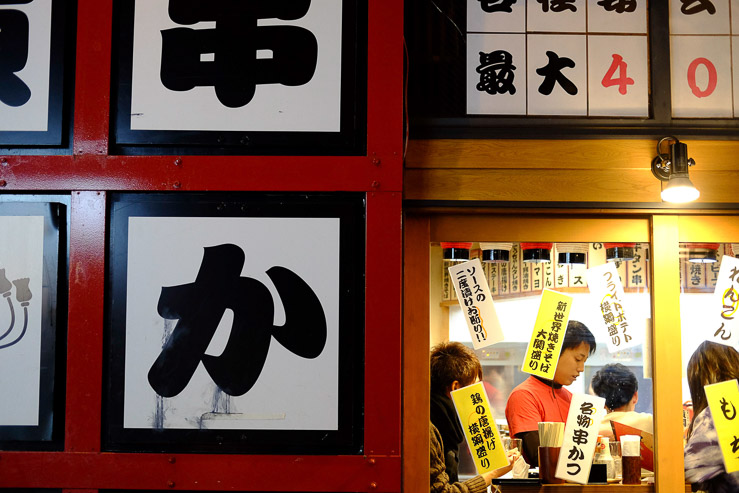
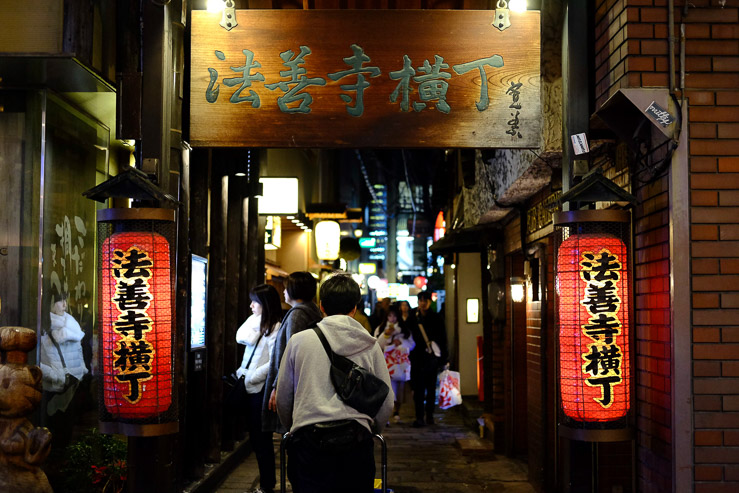
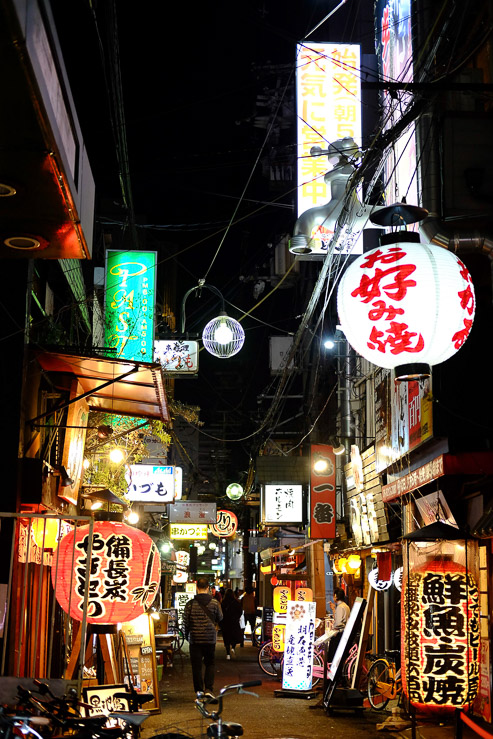
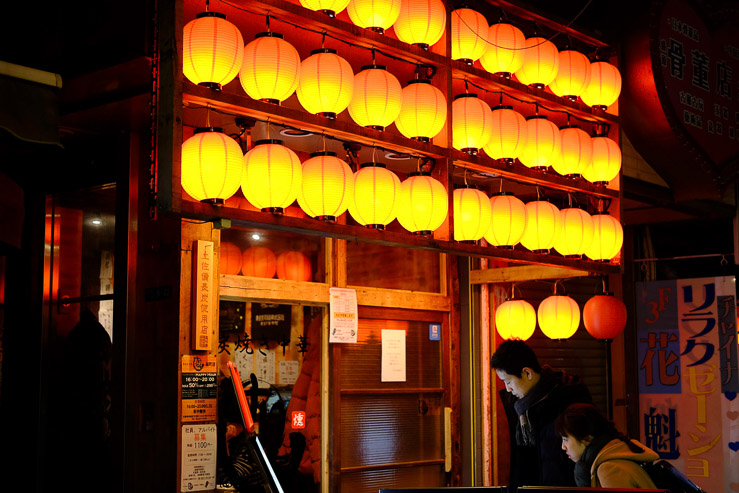
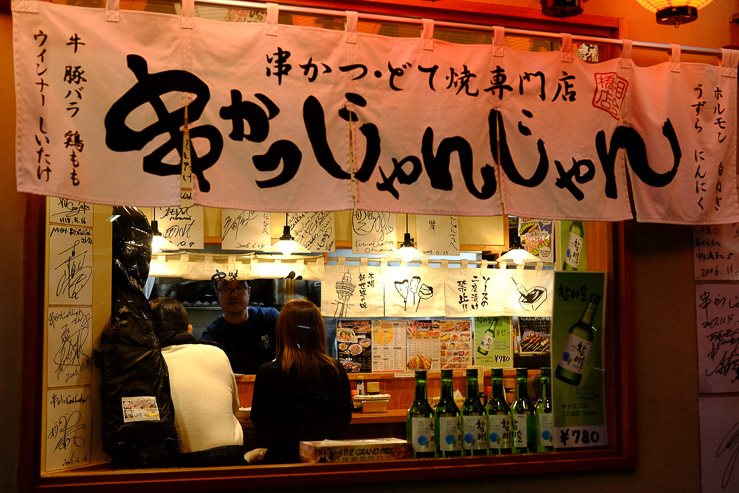
I spent hours walking around the tiny streets around Dotonbori as there were so many great photographic spots and hidden shrines.
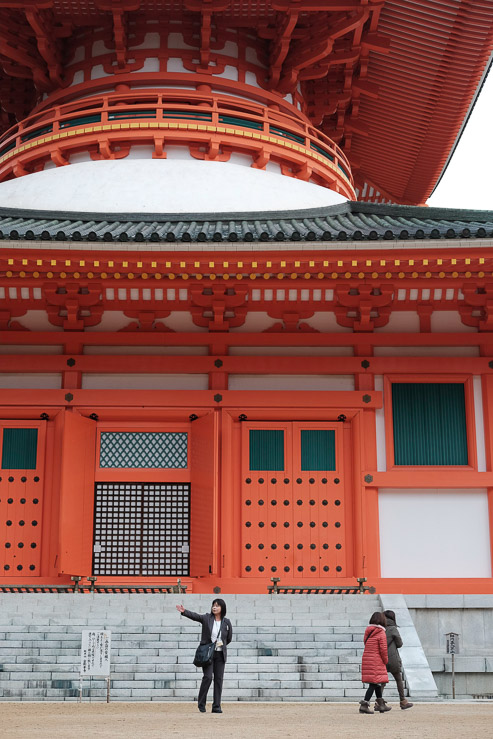
The next day almost led me down as I learnt that the cableway to Koyasan was being repaired. Thankfully, there was an alternative way to get to the UNESCO heritage site. Having had to skip Nara in order to go to Koyasan, I was very happy that at the end everything worked out fine, especially because Koyasan turned out to be the place that I suggest to all my friends who are heading over to that area of Japan.
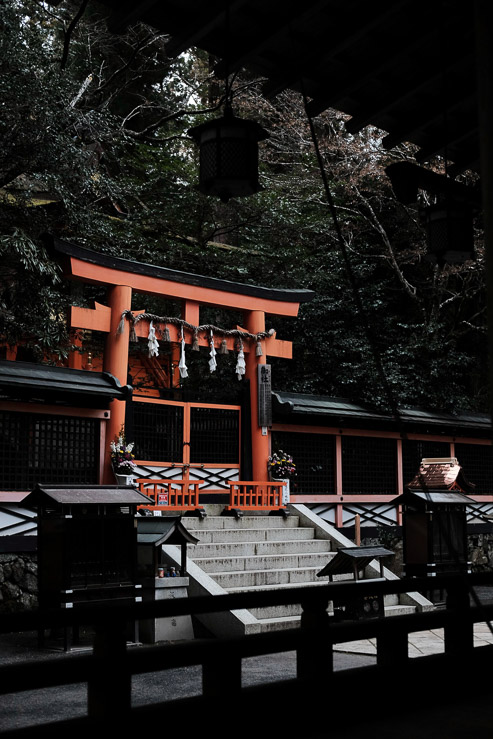
Koyasan is not just a site with multiple UNESCO temples, but it also holds an incredible cemetery in a centuries old great cedar forest that blew me away. Also, along the cemetery I found the Sugatami-no-Ido, or Well of Reflections. Luckily I saw my own reflection inside the well, which meant I wouldn’t die within the next 3 years.
And that folks, is the only reason why I’m still alive. It wished me well (sorry, I know but I had to).
Enjoy the walk around the most magical place I’ve ever been at.
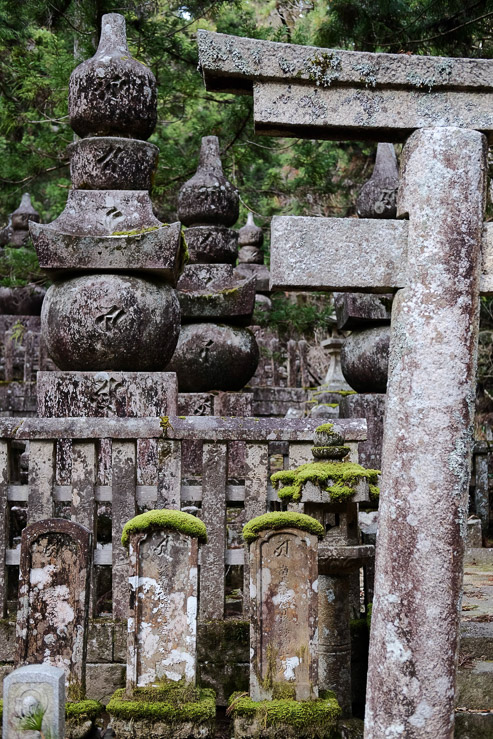

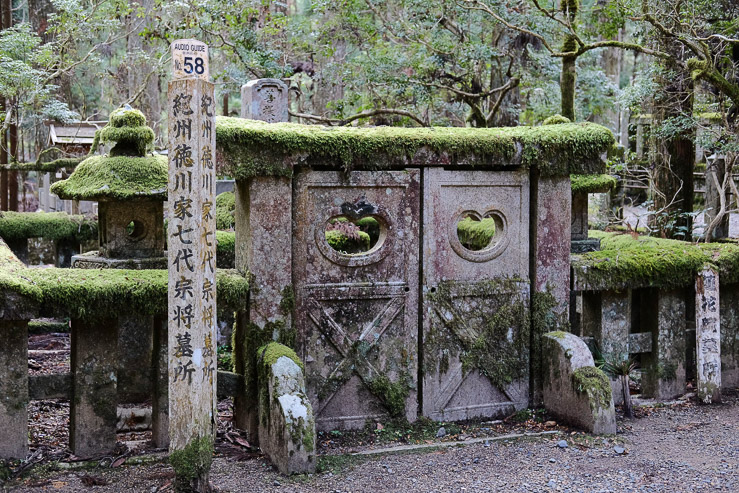


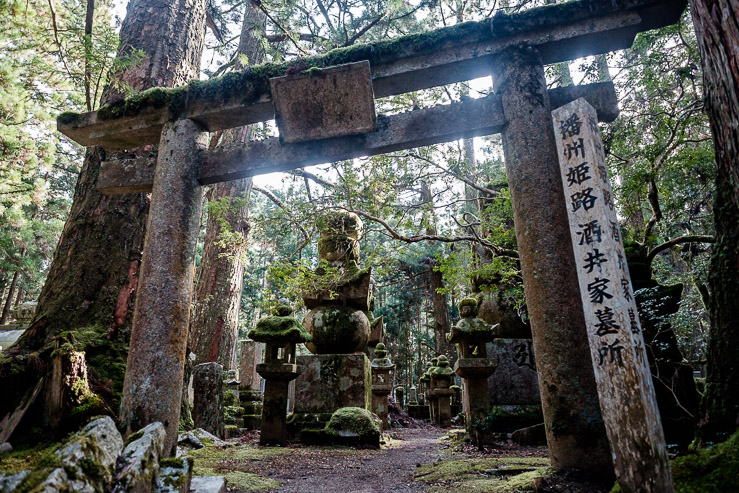
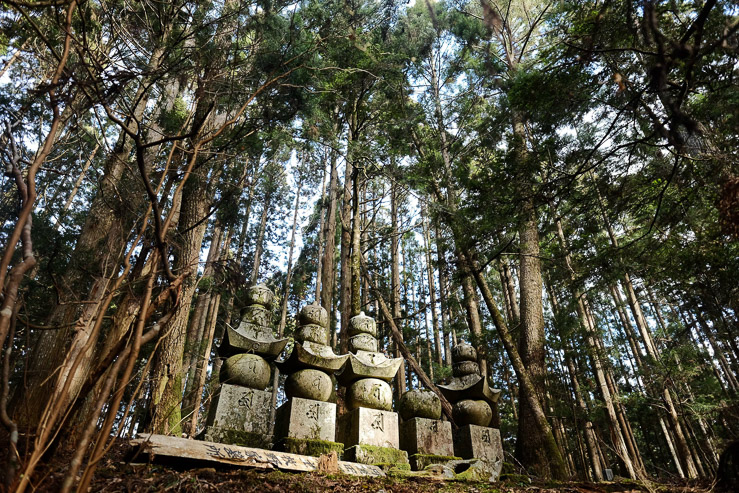
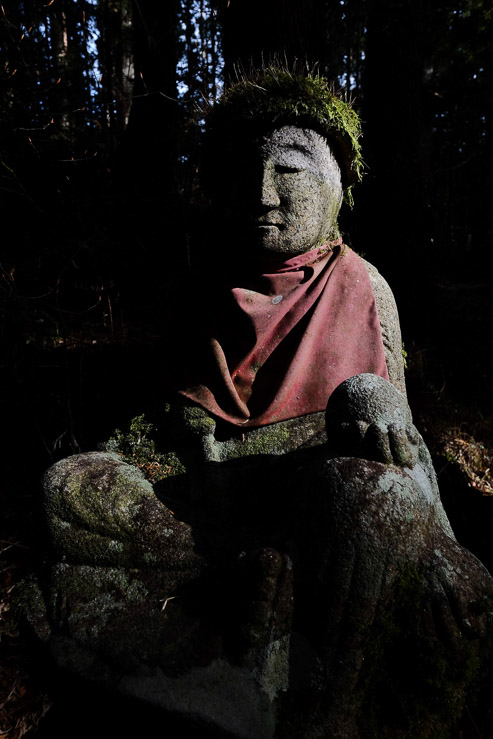
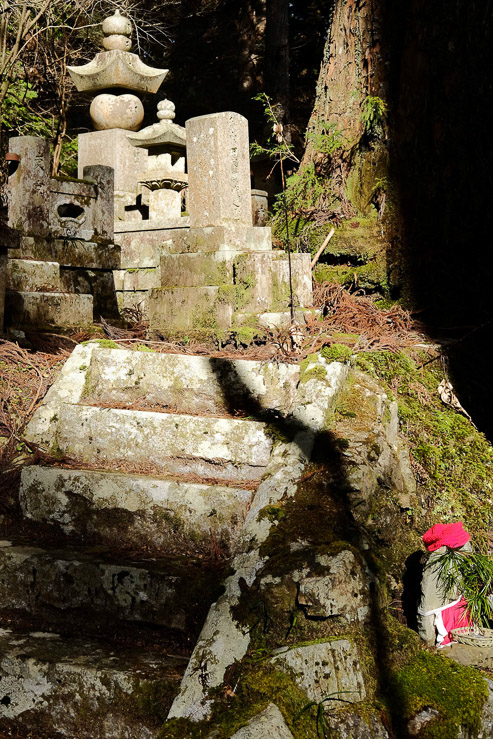
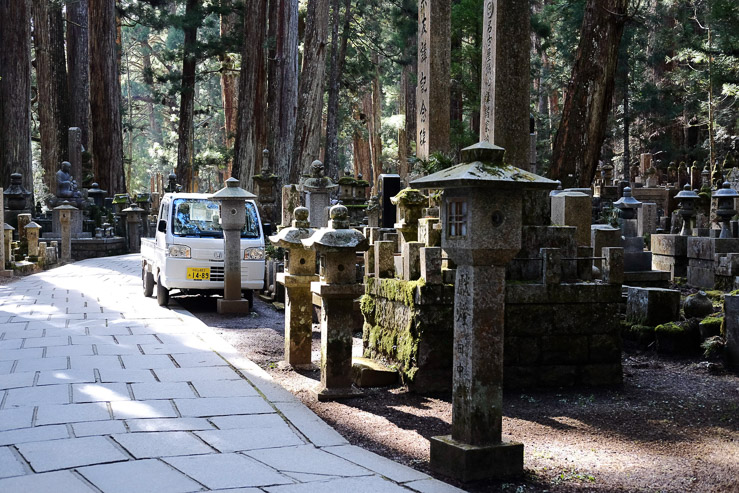

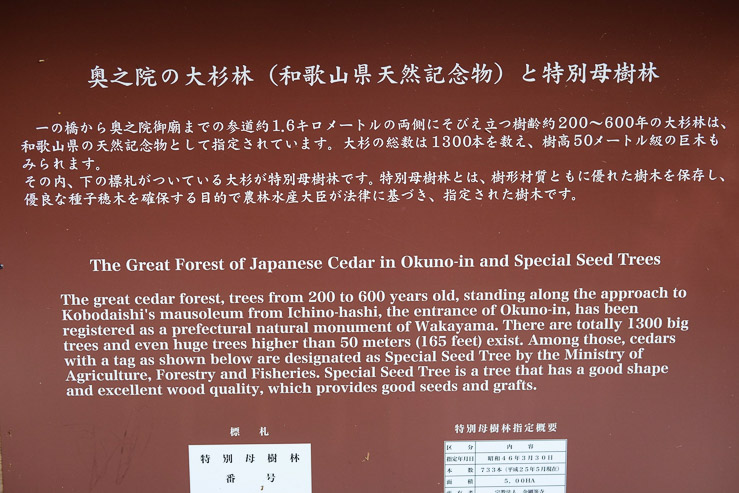
The rest of Koyasan is as beautiful as the cemetery. Little UNESCO temples are scattered everywhere along the quiet mountain streets and around the overnight accommodations offered by the monks. Unfortunately, I didn’t have enough time to stay for the night and to enjoy a bit of the monks’ life, but that definitely helped my wallet.
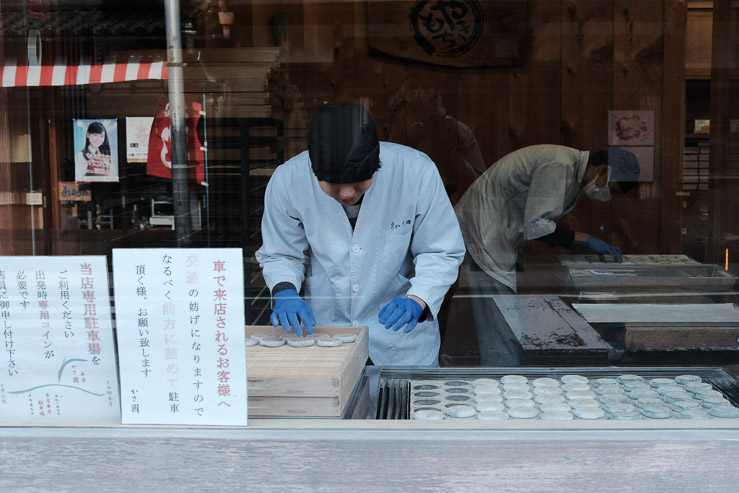


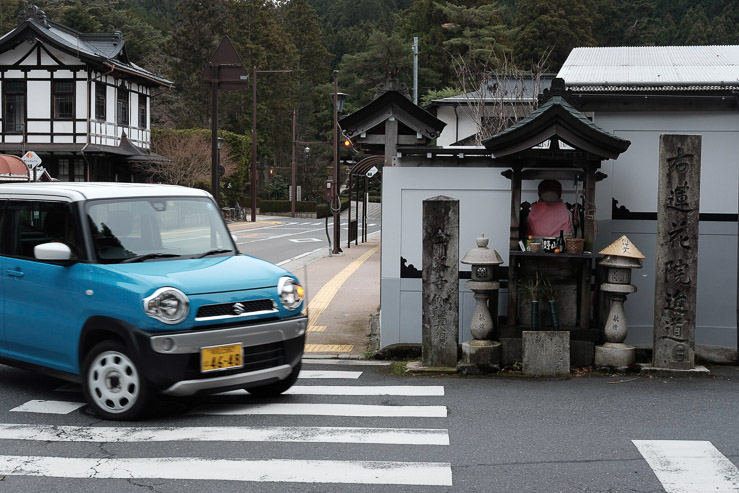

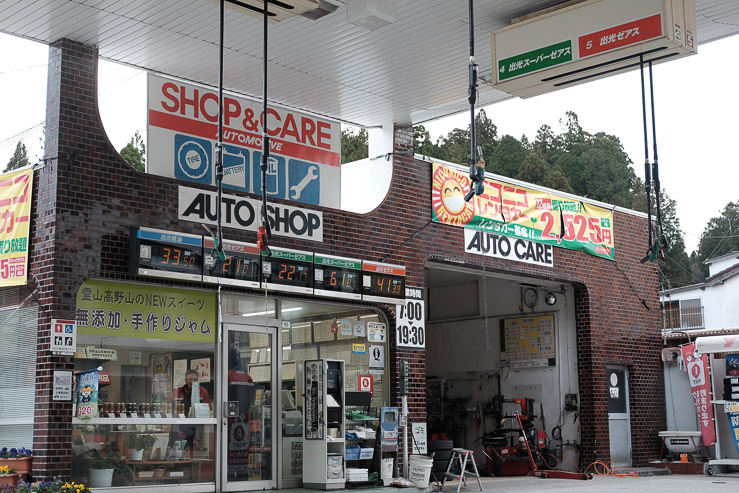
An upside down fuel pump

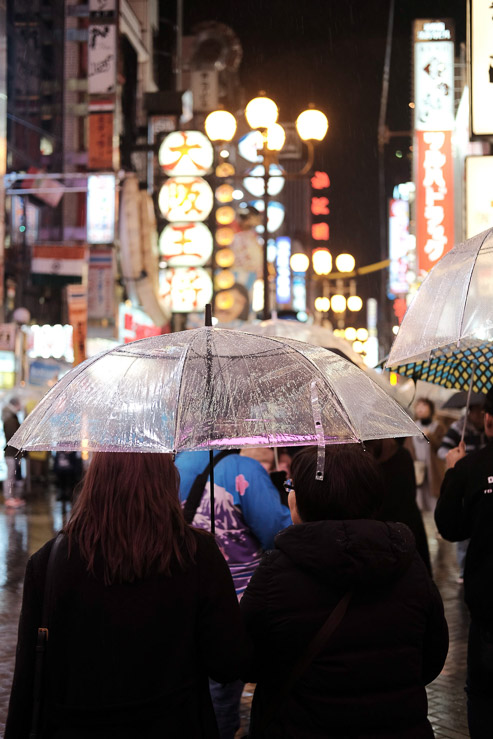
The sun quickly went down, so I headed back to Osaka where I spent the last few hours in the city under the pouring rain and the Christmas decorations.


If you were impressed by Osaka castle, then you’ll enjoy the next part as much as I did.
In fact, the next day before heading to Kyoto, I did a small detour to Himeji and that’s where I witnessed the imposing structure of Himeji Castle, also known as White Heron Castle. Unlike Osaka castle, this is an original, restored castle. There was one little detail that I wasn’t aware of and that is that you are required to remove your shoes to climb to the top of the castle. In a cold winter morning, that meant that my feet got cold, very cold as I was walking up and down the castle stairs.
But the building and the view were totally worth it. Japan was starting to really grow on me after very few days of being there.
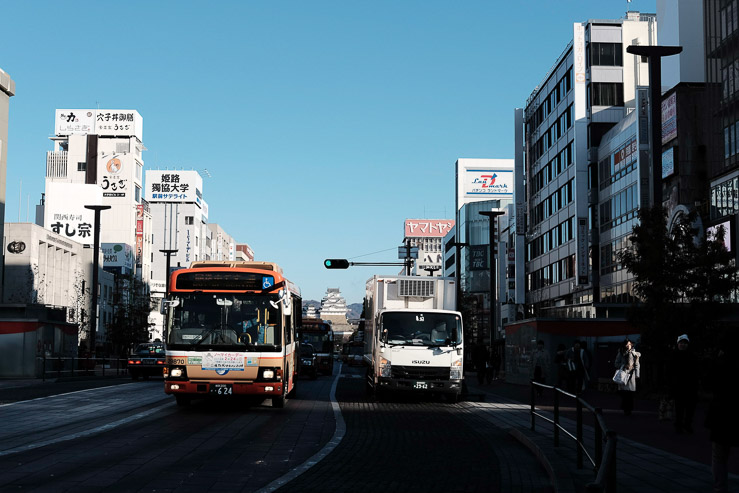
Walking from the train station 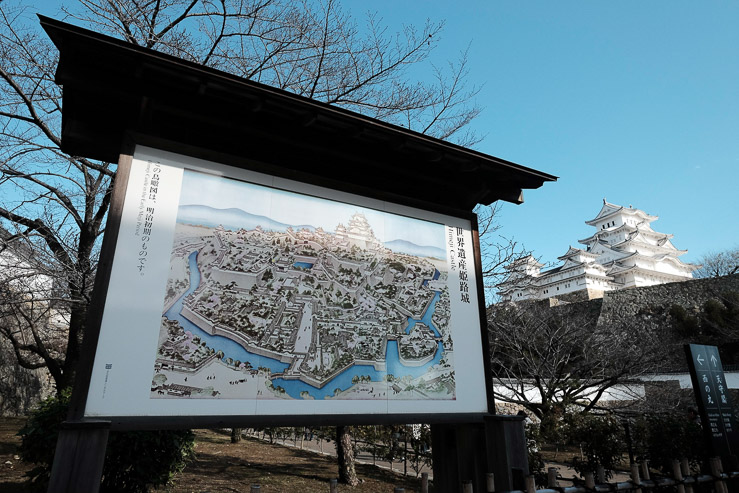
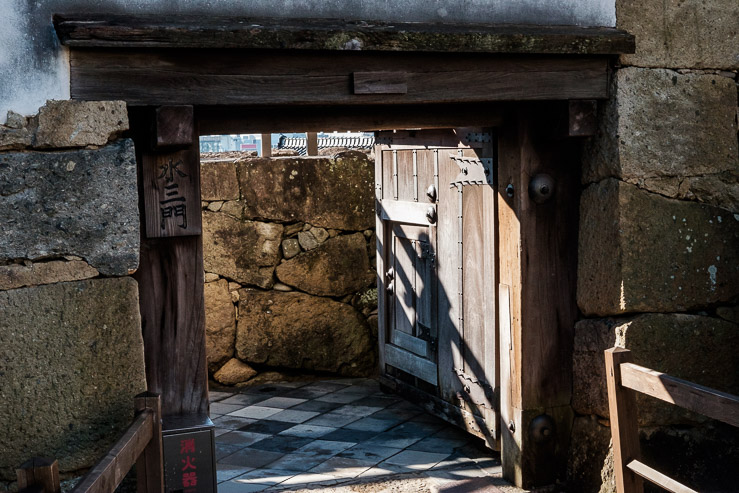
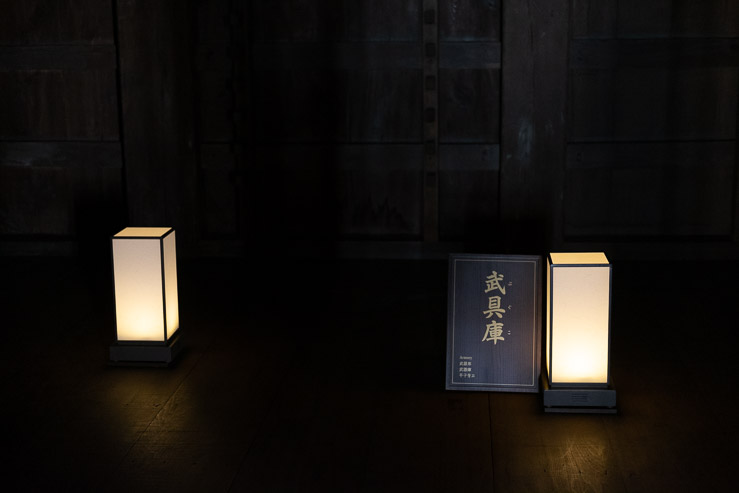
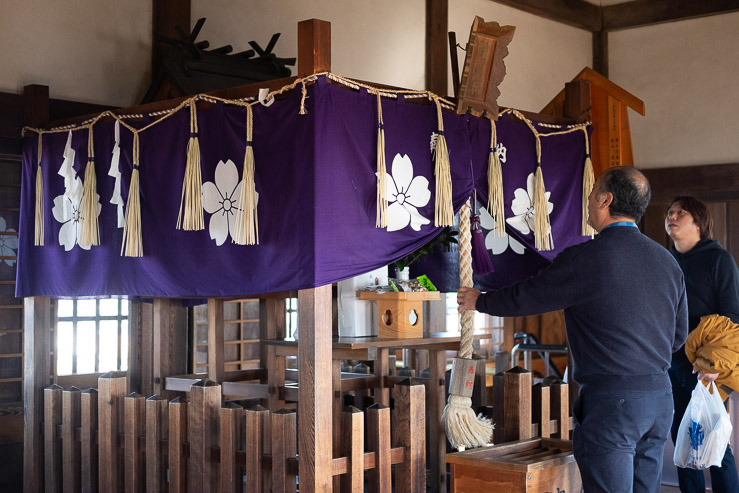

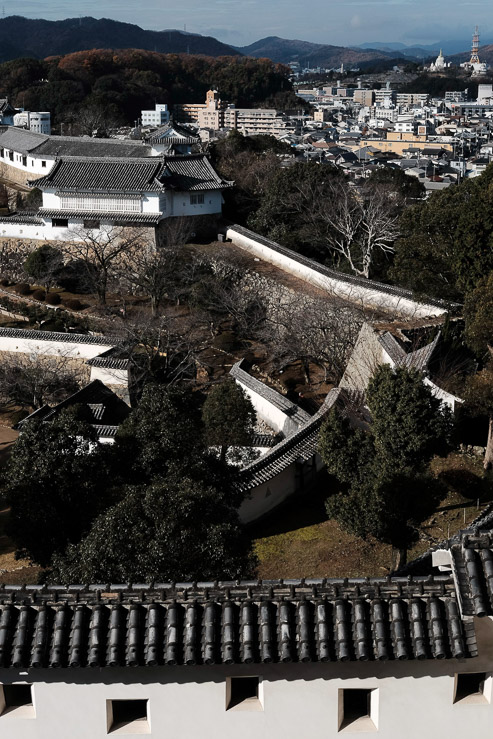
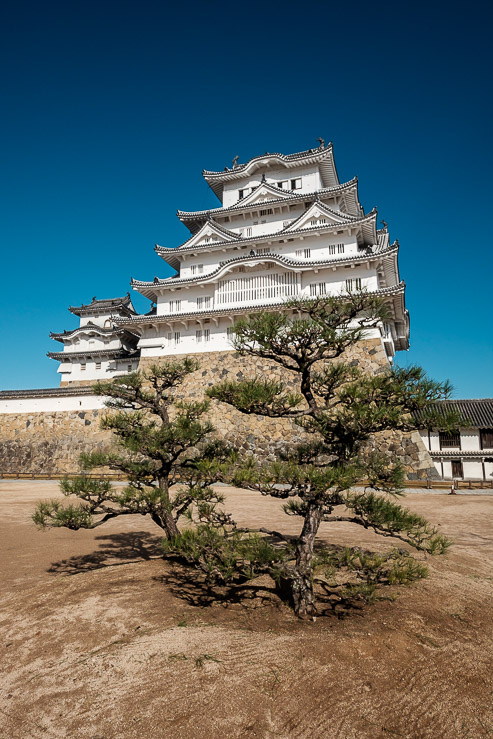
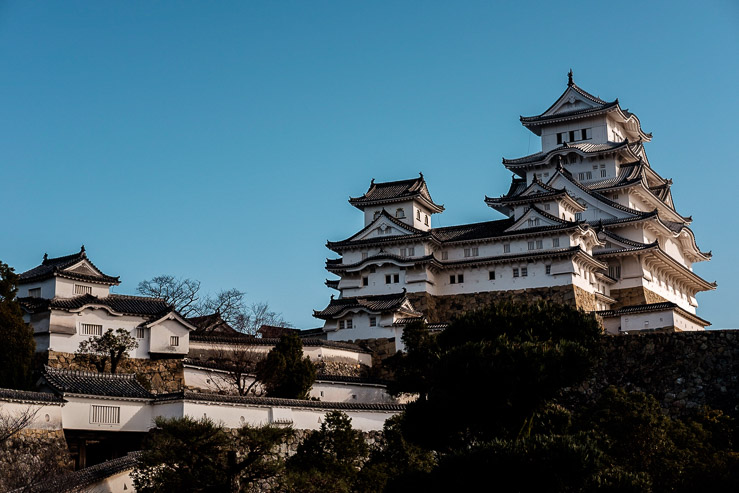
The inside of the castle was totally different compared to what I was expecting since it was totally empty. This allowed for a quicker visit that opened up the opportunity to visit the royal gardens, Kokoen Gardens, situated right next to the main building.
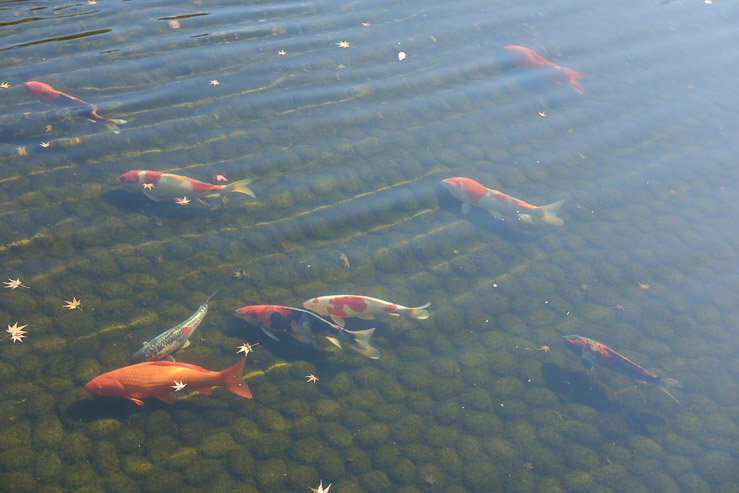
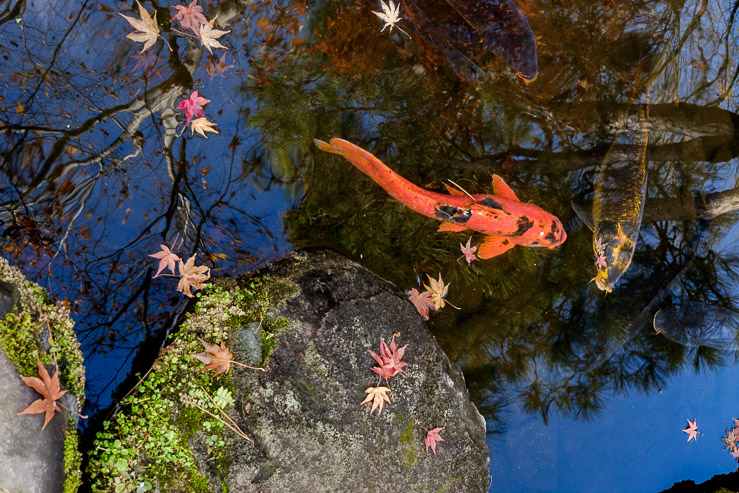
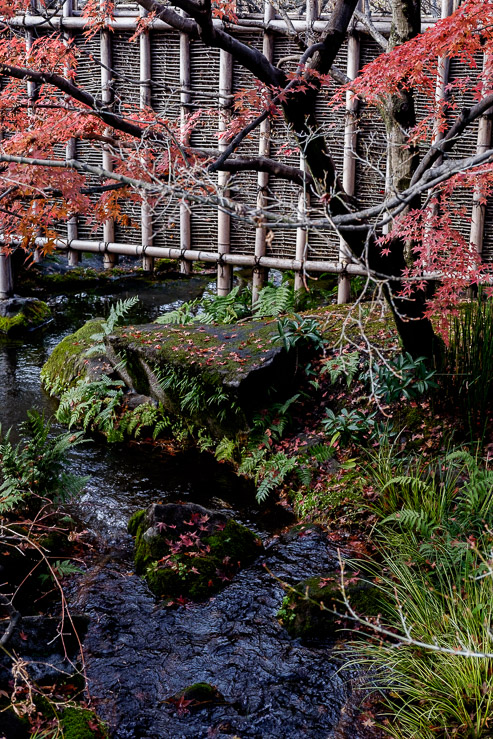

It was time to head north and to finally get to Kyoto, the place I was really excited about. A lot of people that I know that visited it seem to like it but in general I haven’t received the feedback that I was imagining, especially after having visited it.
To me Kyoto was a real beauty and hopefully my photos can give it the justice it deserves.
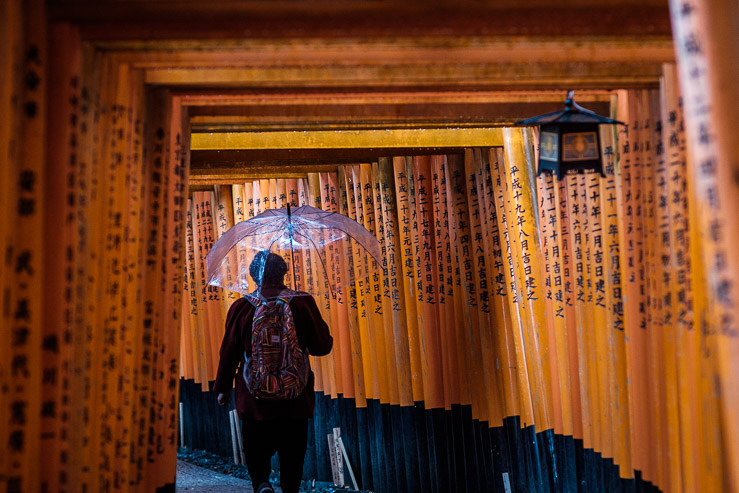
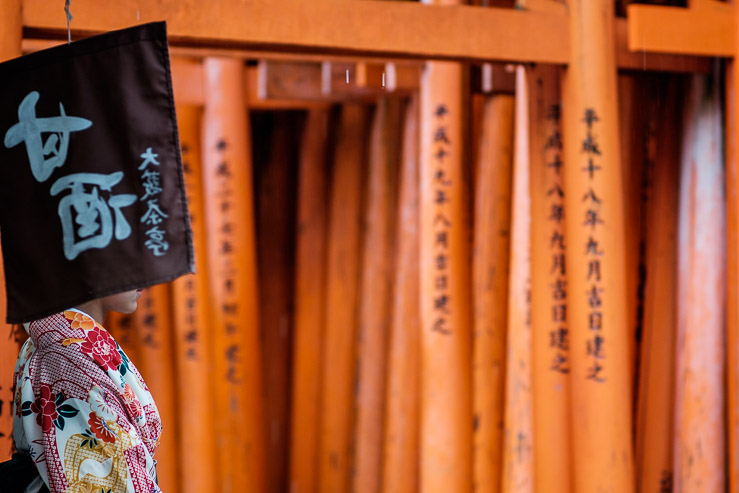
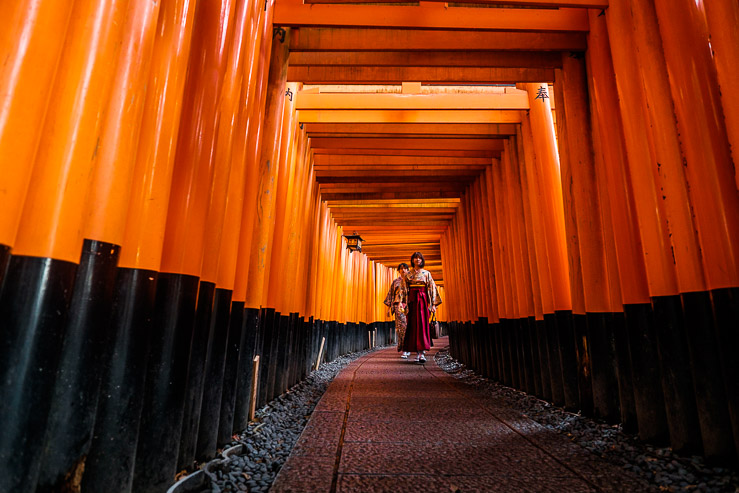
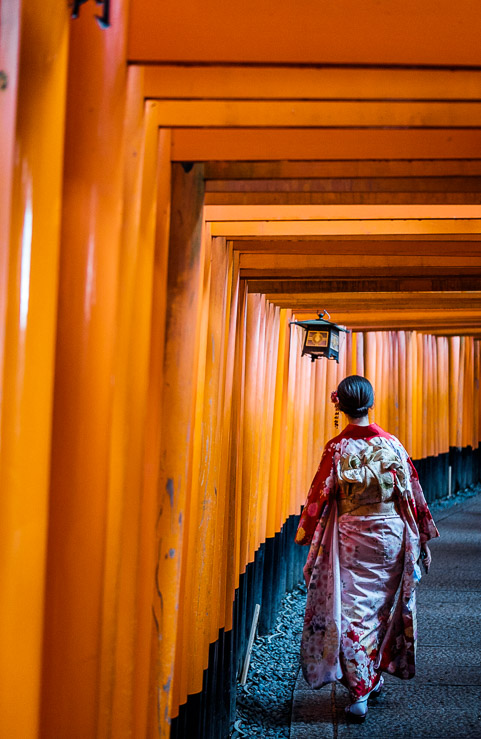
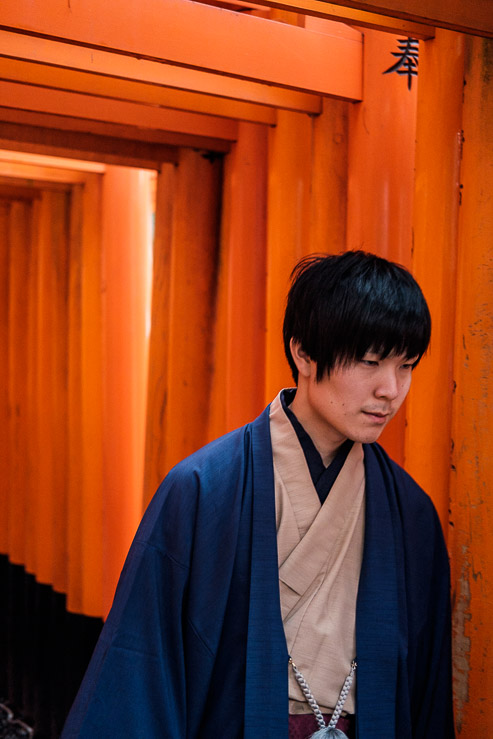
First stop, the extremely popular Fushimi Inari Taisha. Luckily, it started raining heavily while I was there and most of the other tourists looked for shelter while I was exploring freely the area.
101 of travelling, get rain proof shoes and a good raincoat.
Another 101 of travelling, the time you saved with the first 101 trick gives you extra time to enjoy yakitori and sake at the end of the day.
You’ve just levelled up as a traveller. Yes, I’m covering all the clichés in this report and videogames are part of it.

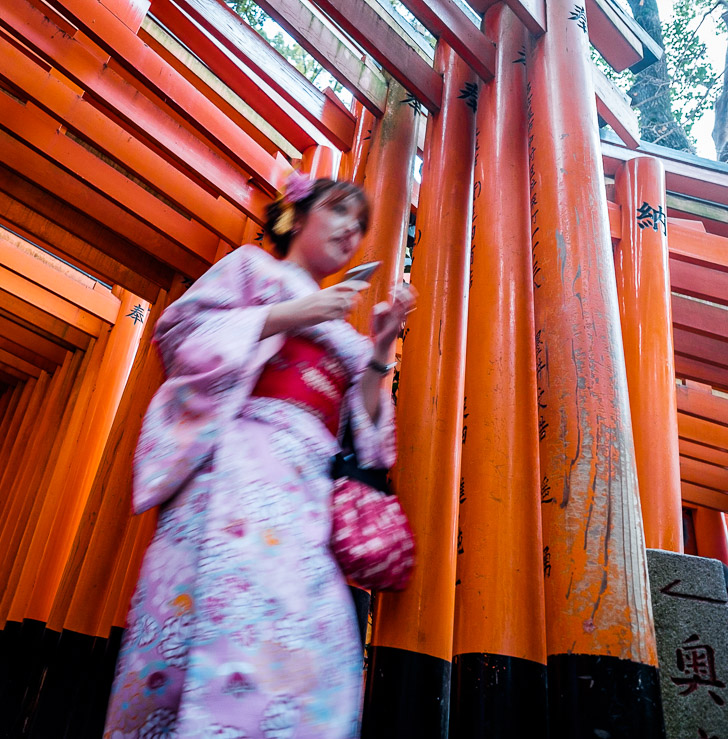
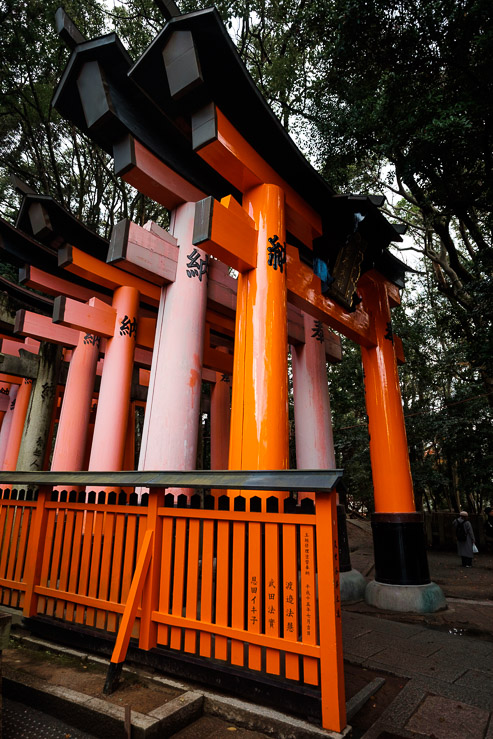
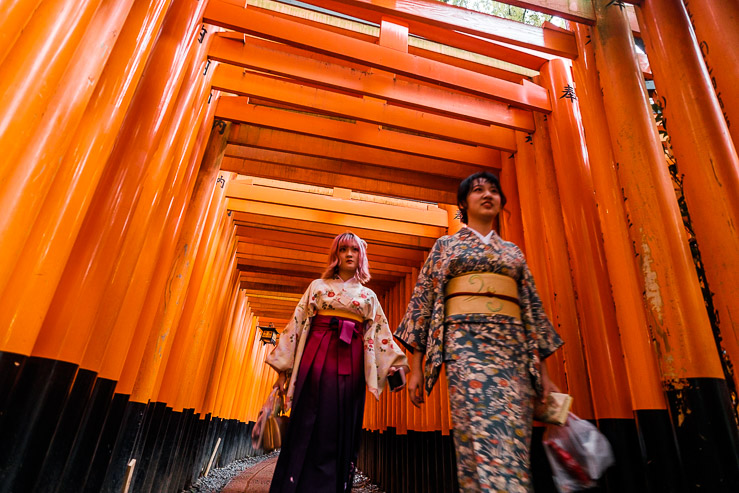
Before dark I still had a couple hours to check out Pontocho, a very chic and extremely expensive alley near the river and a very cool design store called Sou Sou where I got my Imabari towel, the finest towel of the finest.
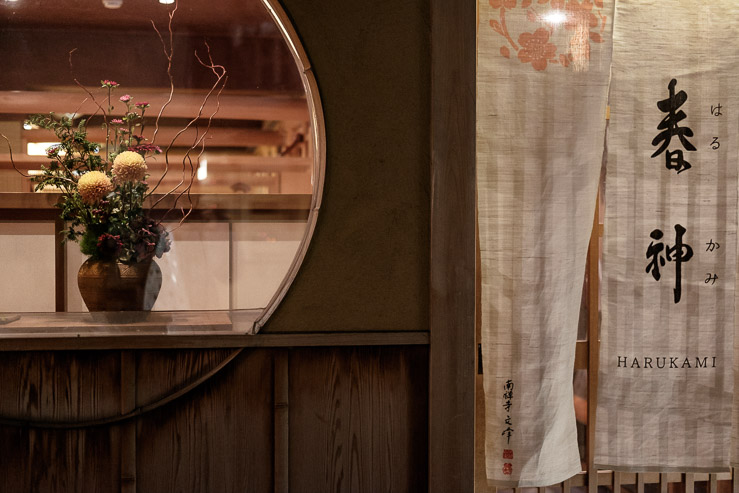
The one thing I learnt about Japan is that the rule “go there early to avoid the crowds” didn’t apply at all. The only place I was lucky enough to see without people was the famous Yasaka Pagoda area that I started exploring from around 7.30am as it was lit by a harsh, low winter light.
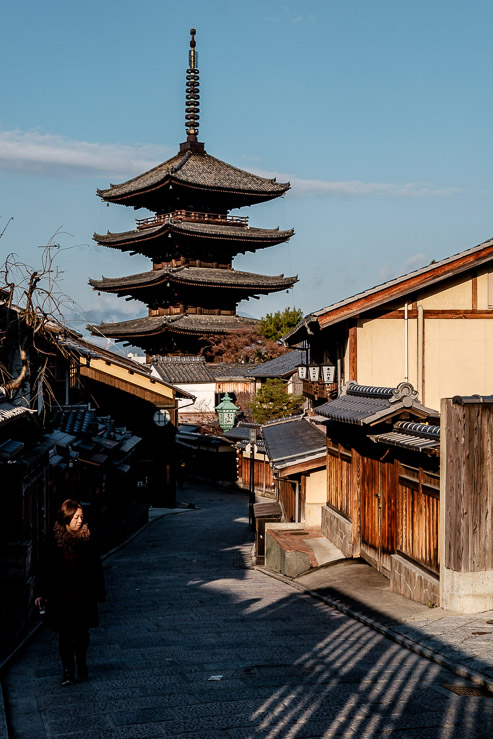
In just few hours spent in Kyoto I was already hit by its beauty in the same way that only Rome maybe did before. Every 20 meters there was a UNESCO site, a stunning design or vase shop, a national treasure garden and so on. You could breathe the culture and the research for the sublime and perfection in everything.
And Kiyomizu-dera temple was a confirmation of that despite being fully covered due to restoration works.

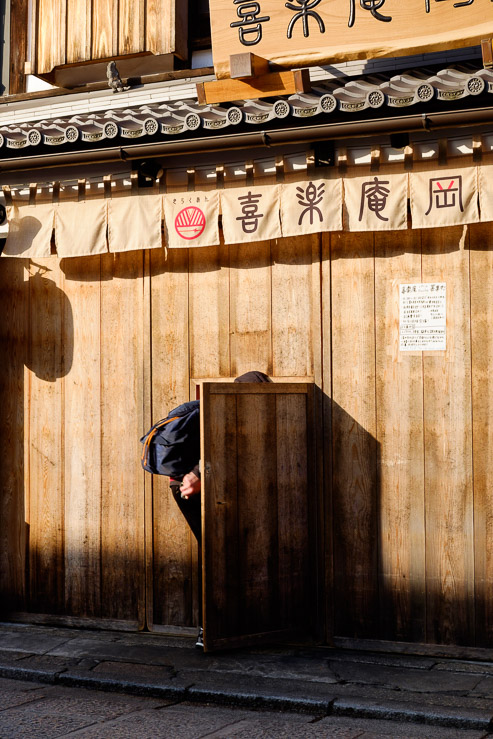
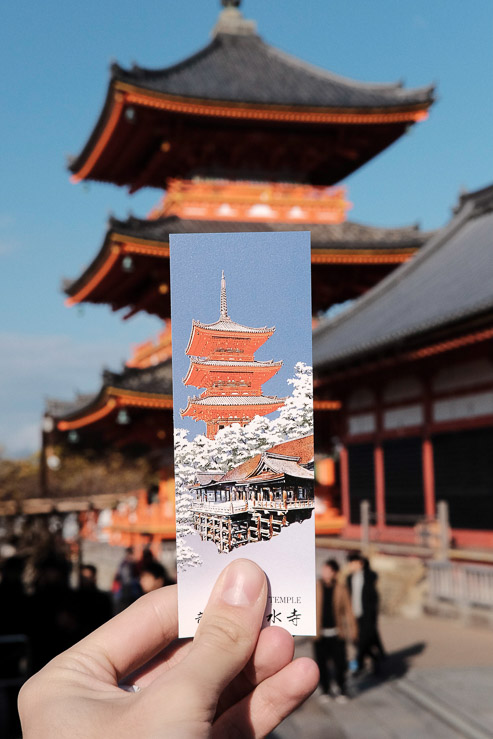

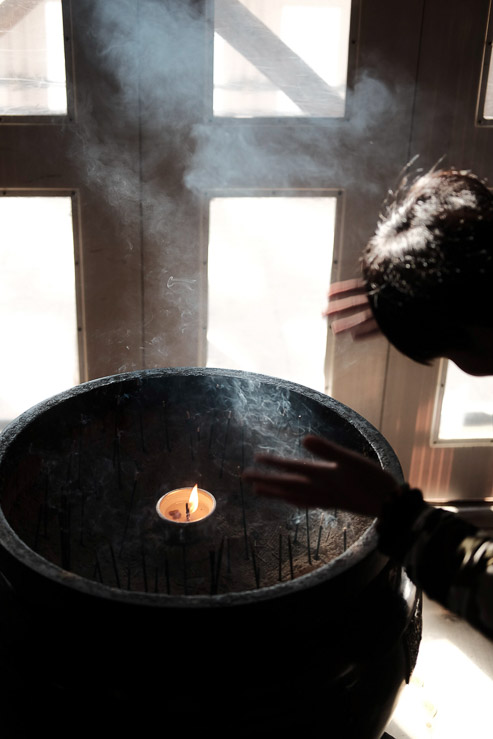
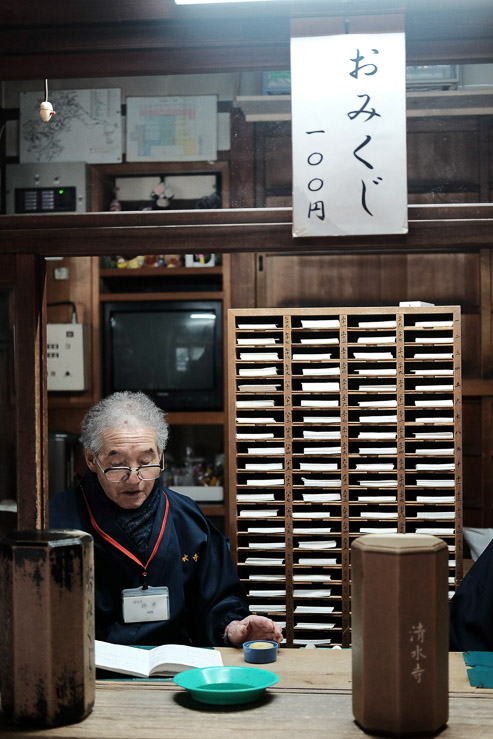
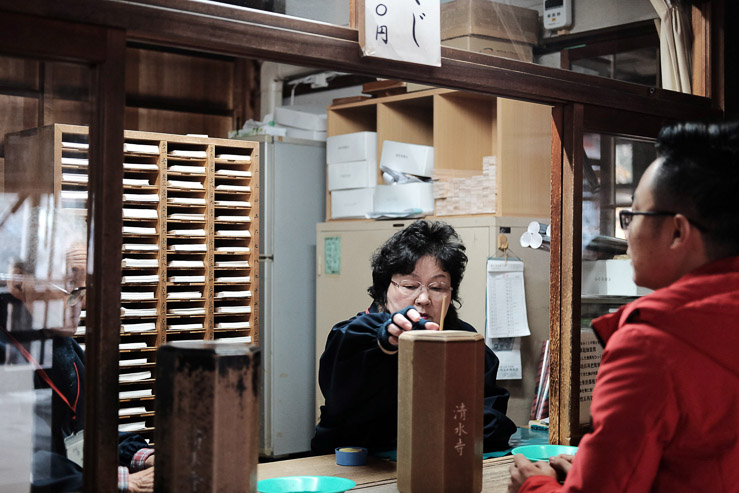

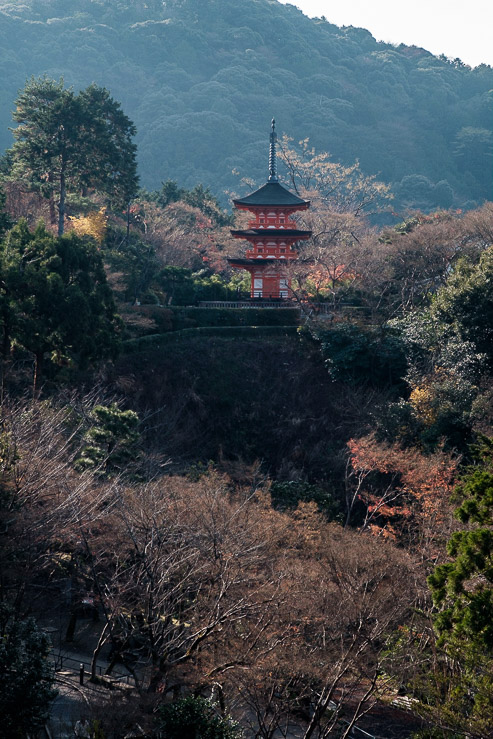
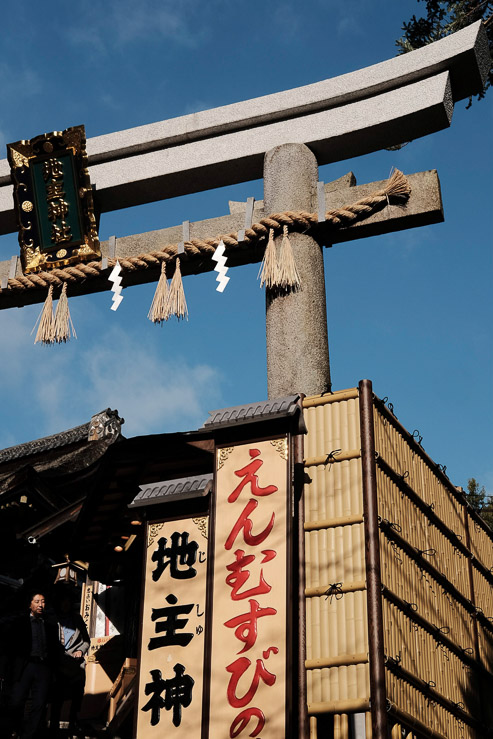
After enjoy the temple on top of the hills, I just started to wander around. Because just wandering around sometimes leads you to seeing what I guessed was a very high ranking buddhist monk. I found myself at the right place at the right time. The right place was a temple still around the hill and the time was probably 1pm. I only remember being hungry.


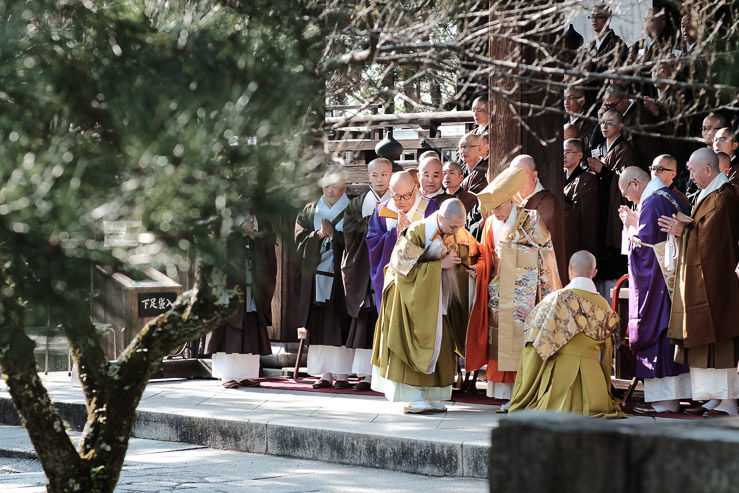
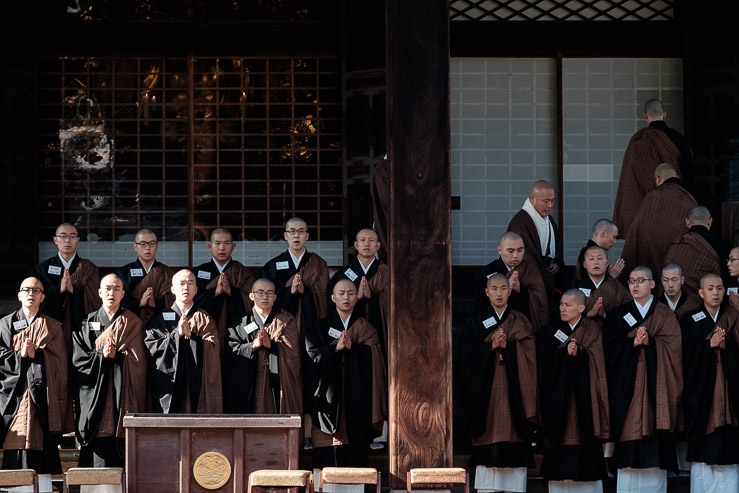
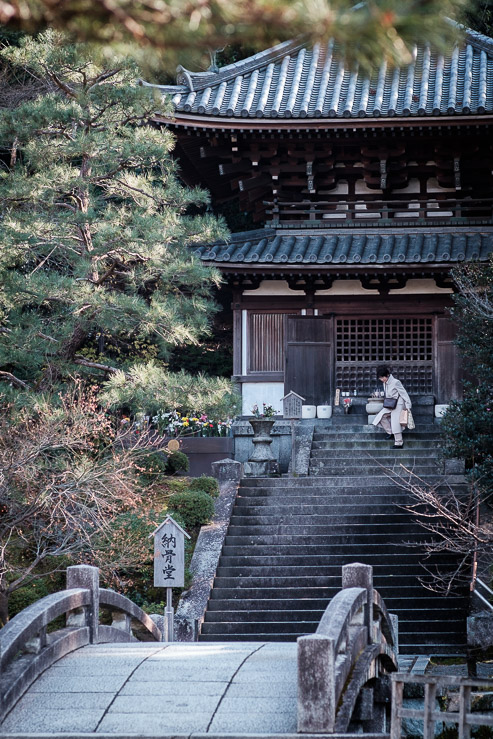
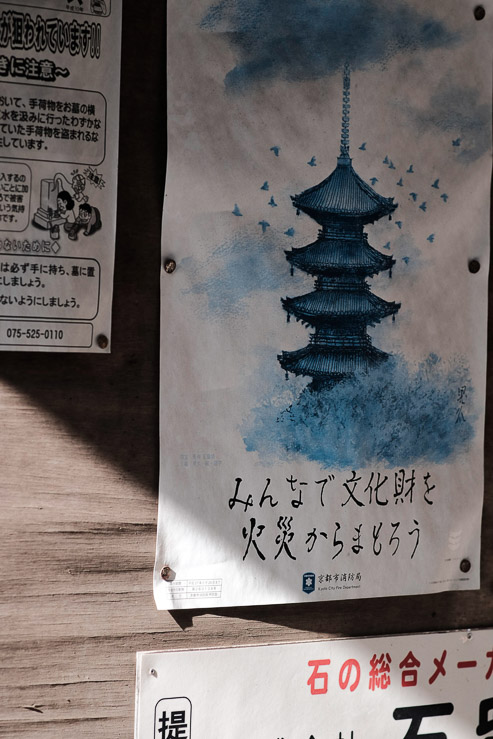
The only other plan for the day was to go walk on the Philosopher’s path, but too many pretty sights slowed my pace down while I was trying to reach the path. It wasn’t really my fault.
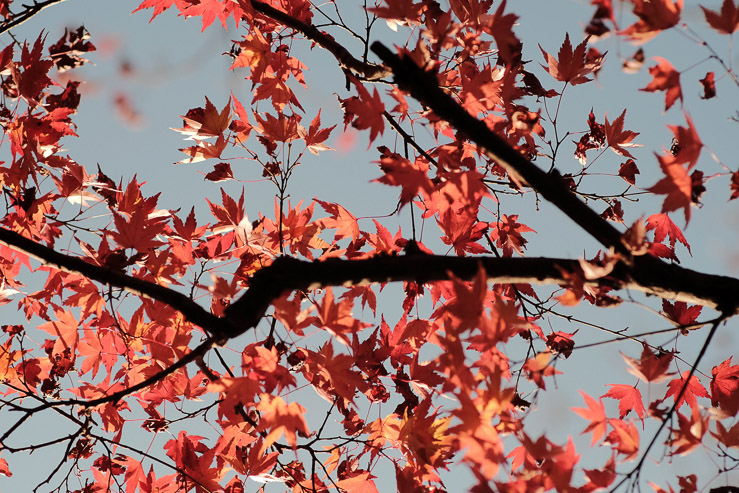
The last colours of autumn…. 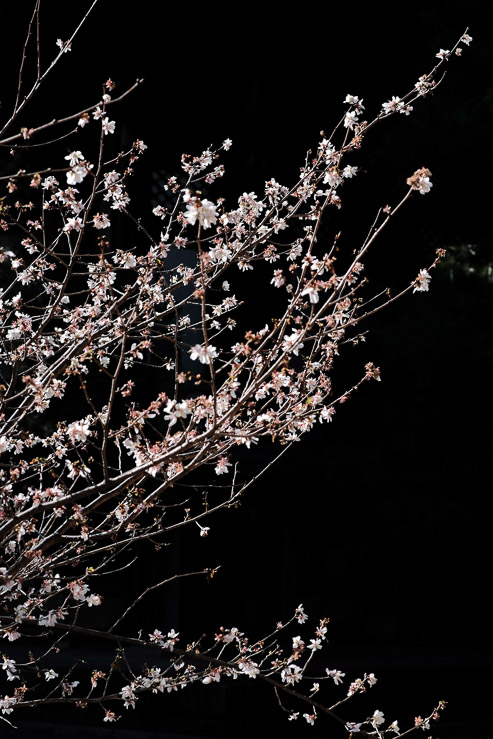
….and the last blossom of the year. Or the first one. 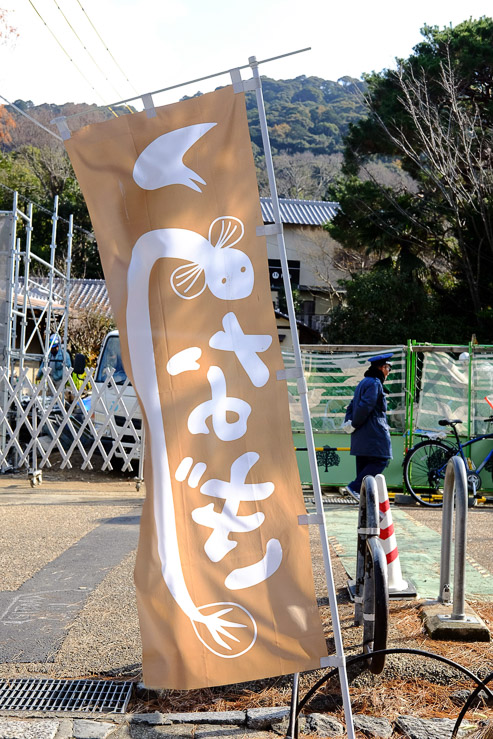
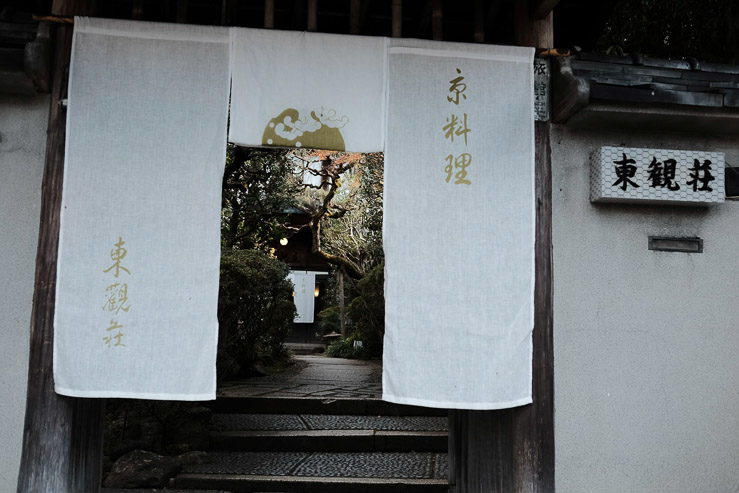
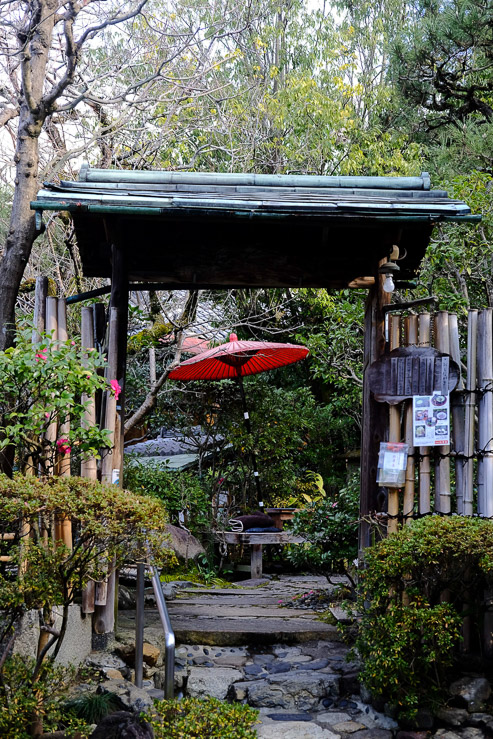
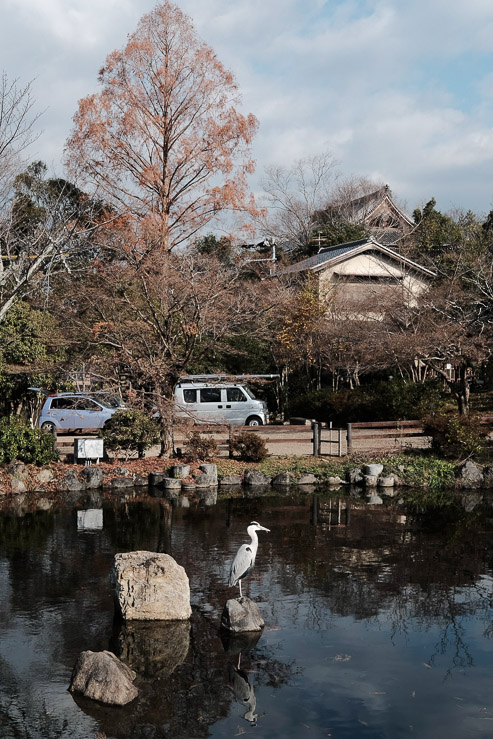
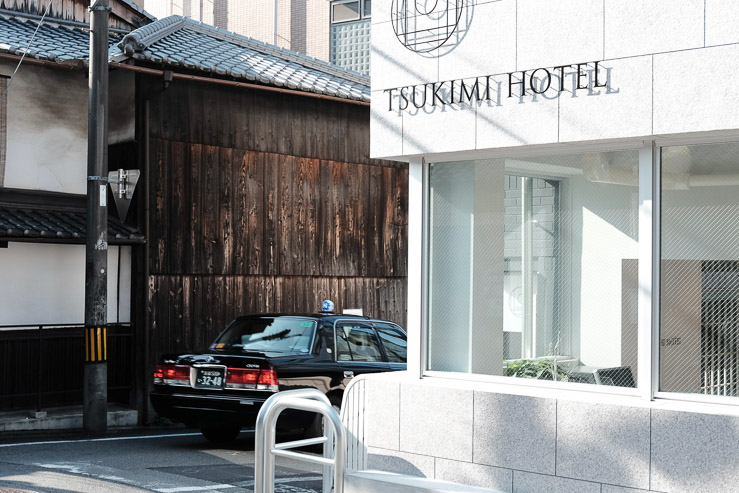
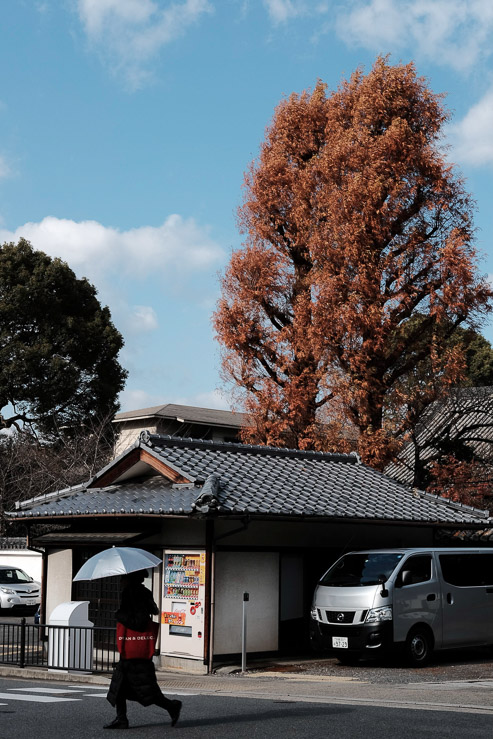
Finally, there it was, the philosopher’s path. The weather got very gloomy and some fog appeared, but one tree stood out.

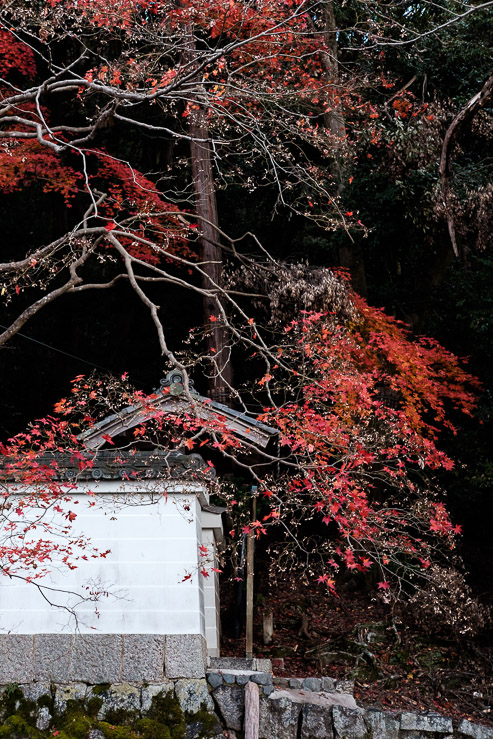
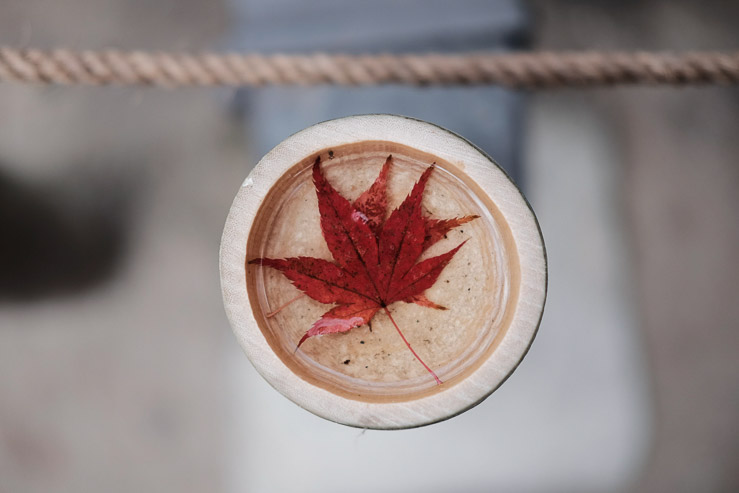
I walked for the whole length of the path and checked out a few hipster looking shops and cafes along the way, but I had to speed up since I had to walk all the way back to appreciate the Yasaka Pagoda one more time, this time at sunset.
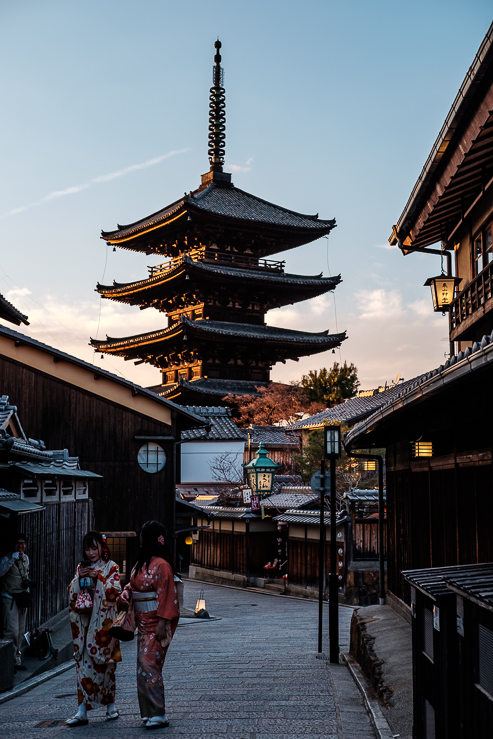
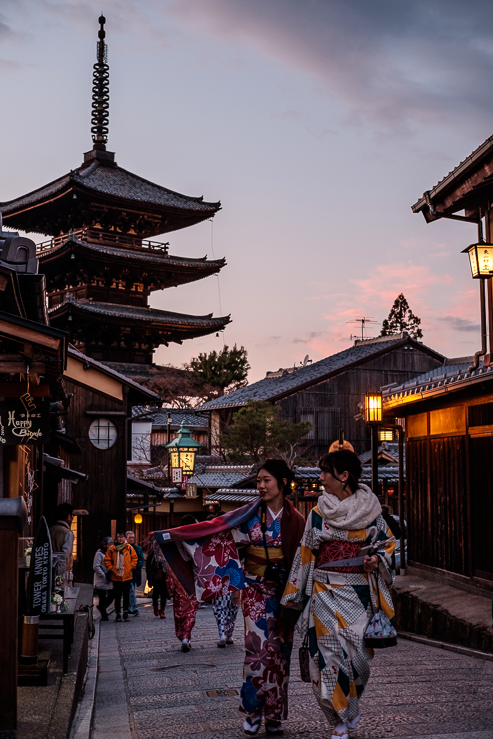
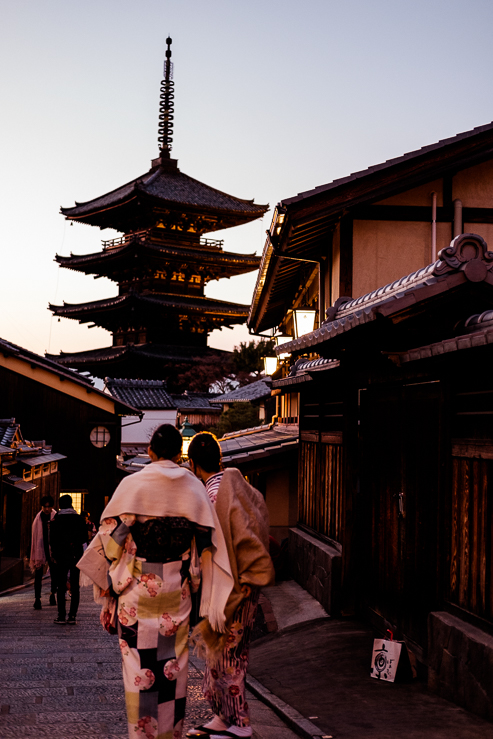
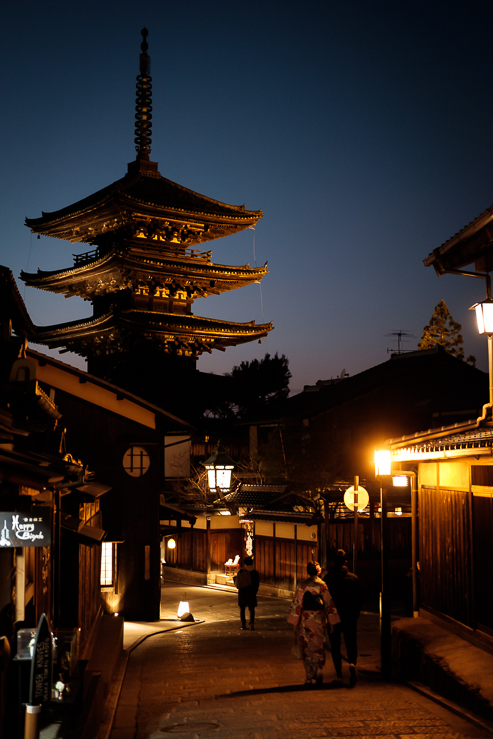
As usual it was a packed day but there were a couple of things left to do. A few months prior to the trip I read Memoires of a Geisha. Anyone familiar with this book would know that most of the adventures took place in Gion, the geisha district of Kyoto. Luckily for me (and for all the other tourists) the district still held the glory of the past in its old shophouses, theatres, geisha houses and all. So, it was time for a walk down geisha lane.
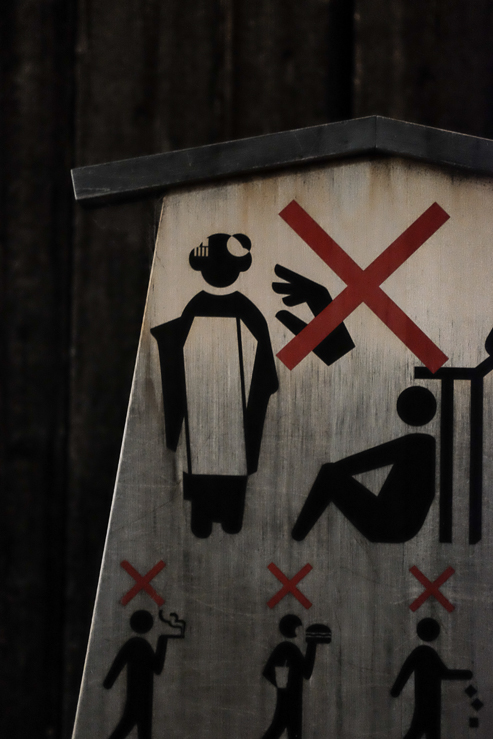
Don’t touch the geishas 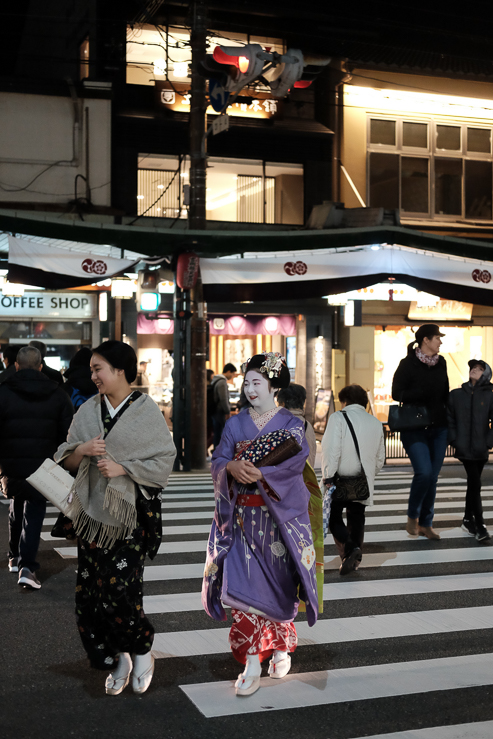
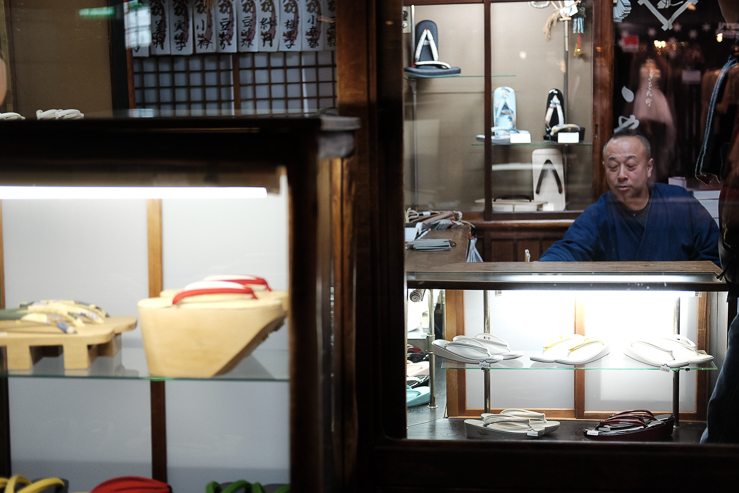
Finally, after another day made of 20km or so of walking, it was time to go back to my hostel to enjoy that sweet free beer. Shout out to the Millennials Kyoto hostel, you should check it out if you happen to be there since it’s definitely one of the best hostels I’ve been at.
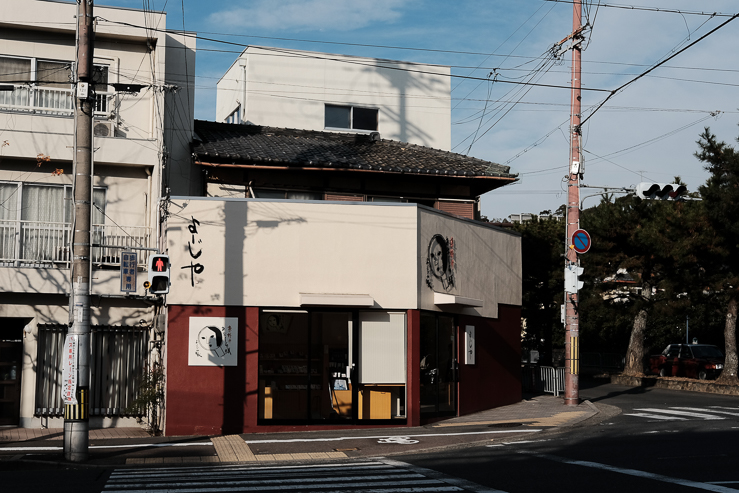
The next day I woke up feeling like a smart boy. “I’ll go to Kinkaku-ji in the early morning” I thought. “No one would go at such an early time”, I also thought.
But that smart boy wasn’t really smart after all and Kinkaku-ji, the golden pavilion was already swarmed with tourists. I should have learnt my lesson by that time, but it looked like I hadn’t. Despite the crowds, the pavilion and the surrounding garden were a true stunner. It felt like the quintessential Japan-in-a-nutshell sort of sight.
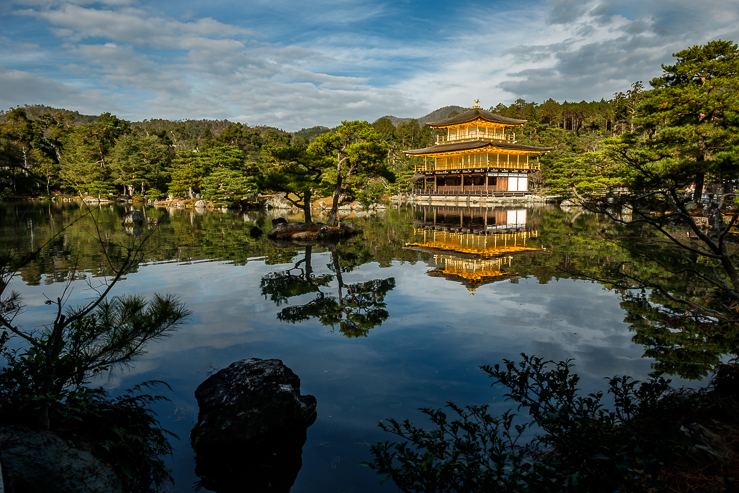
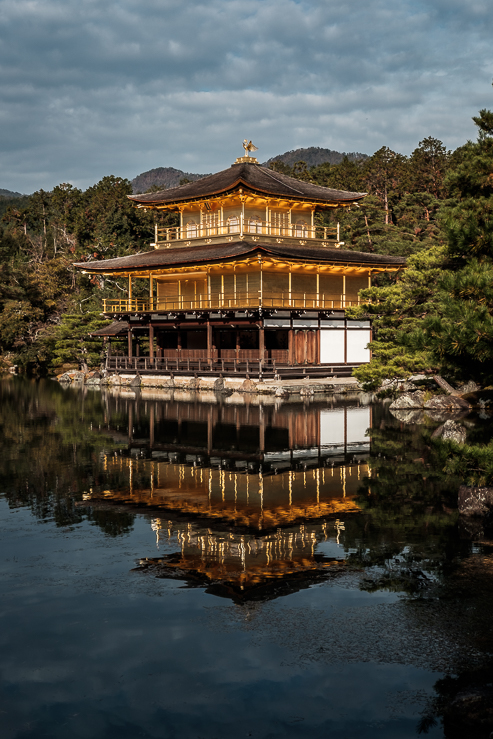
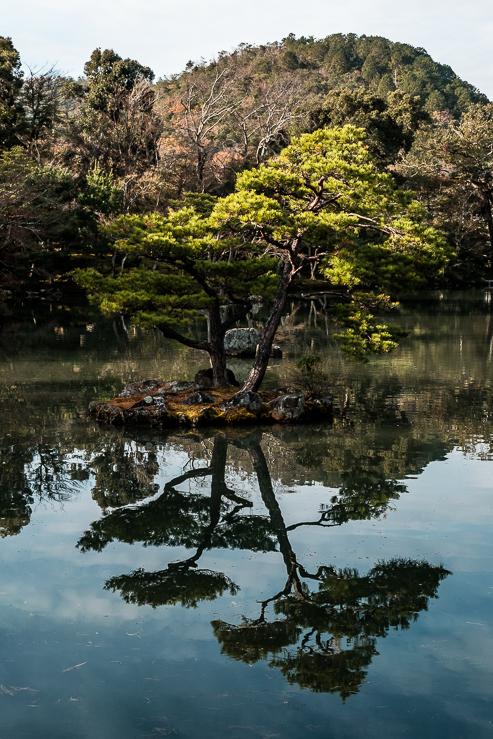
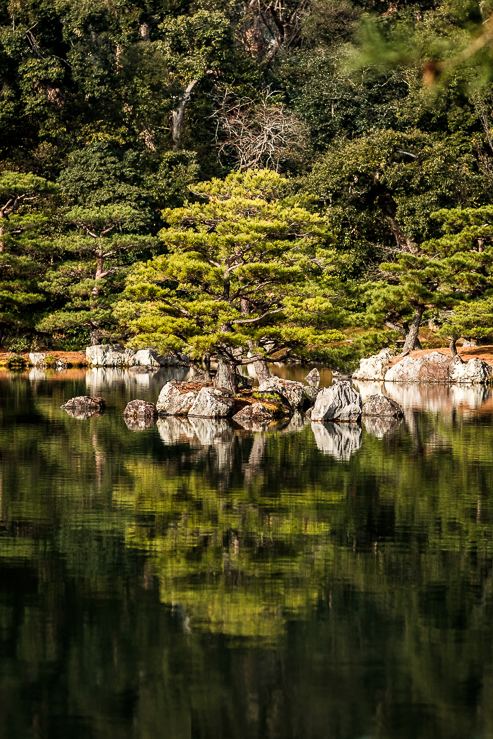
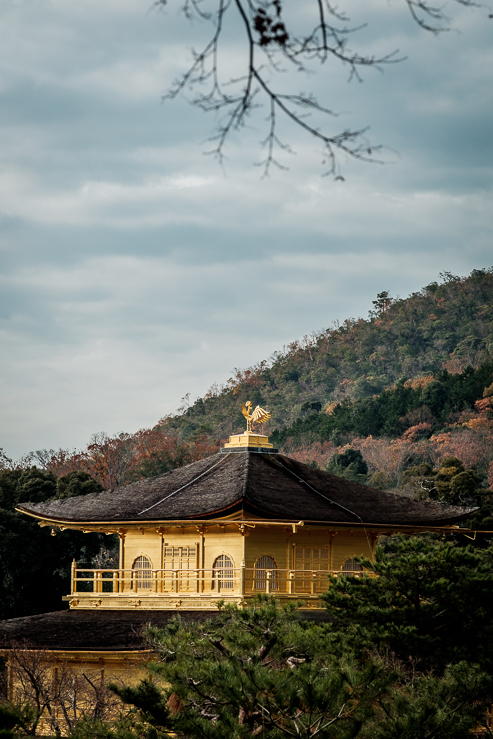
The walk through the garden was delightful. I had seen so many temples in Asia, but it was surprising to realise that some of them could still impress me. The best part was that I was yet to see the most impressive temple of the day.
Let me elaborate.
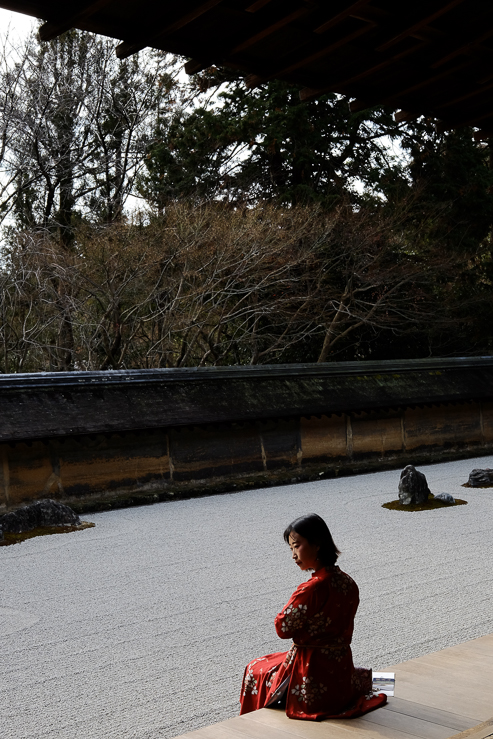
I heard about a famous zen temple that was a must see in Kyoto, but then I saw some photos of it and of its zen garden and my excitement suddenly died. I wasn’t sure why a garden with 15 stones would create so much interest and why would it be listed as a UNESCO heritage. For a while, I contemplated to skip it, but since it was on the way to my next stop and since I had some time to kill, I went there anyway. It is very hard to explain the surprised look that appeared on my face when I saw the garden.
There they were, simply 15 stones on a gravel ground arranged by a monk few centuries ago.
Yet, I sat in front of it for maybe half an hour. It was so incredibly peaceful and relaxing. It is impossible to convey the vibe of the place through photos, I’d need to become a much better photographer to do so.
Enjoy Ryoan-ji.


As I mentioned earlier, there was a next stop on my list. There is always a next stop on my list.
In that case, the stop was Arashiyama bamboo grove. In order to get there, I hopped on a cute purple tram on the Keifuku Randen Tram Line. It was like being in a Japanese cartoon. Little Fra and the purple magic train. It was basically Porco Rosso with a different vehicle and a different colour.

Waiting 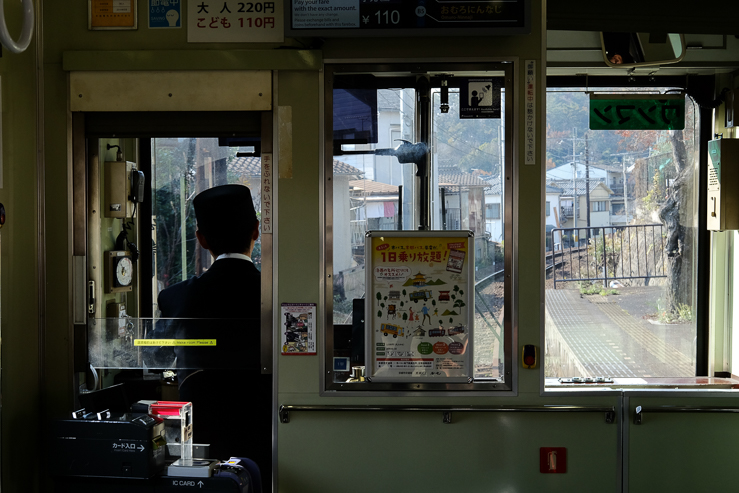
Riding 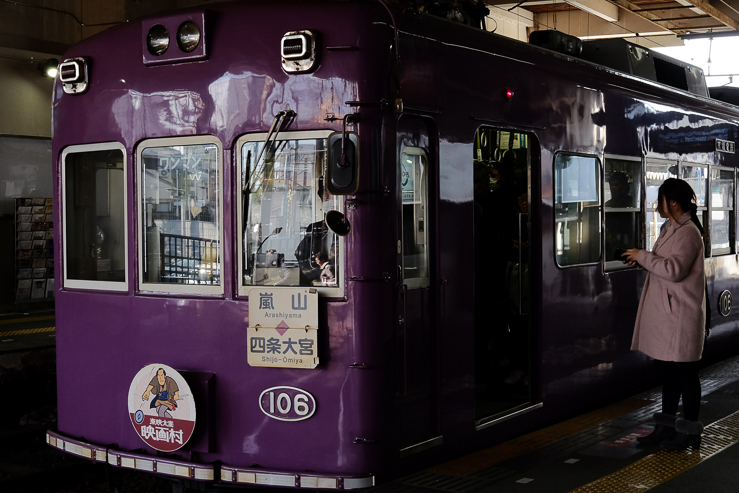
Arriving
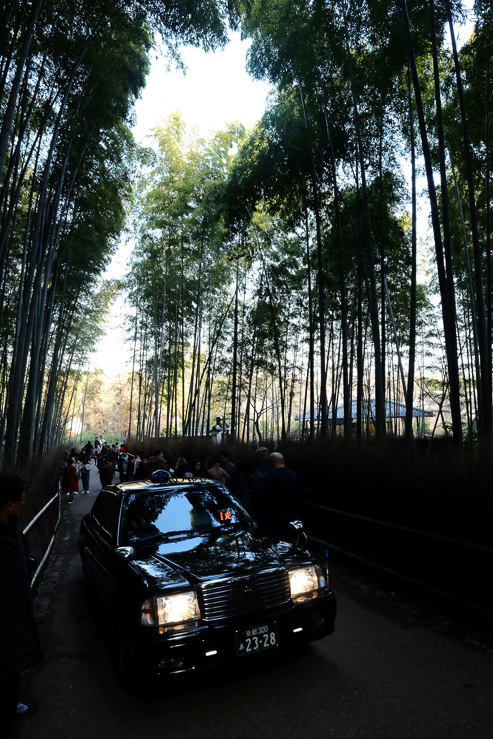
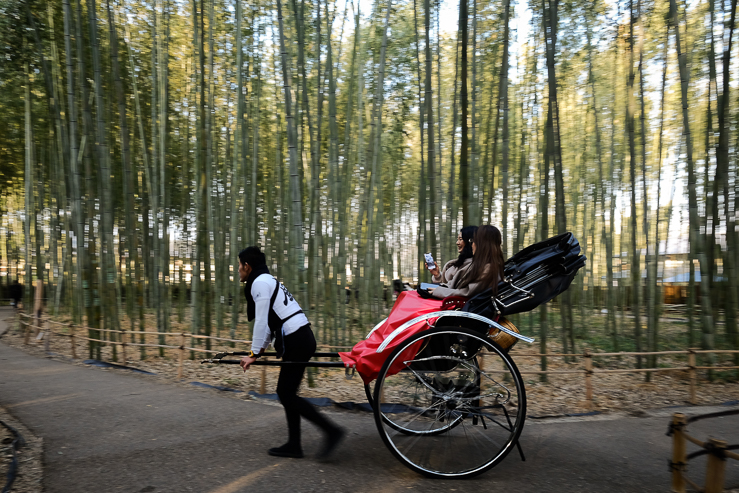
The bamboo forest was right outside the train stop. In contrast to the massive and empty forest in Mukeng (Anhui province, China) that I visited many years before, this one was filled with people. Also, I didn’t manage to zipline in a valley filled with bamboo this time, but it was still a pleasant sight.
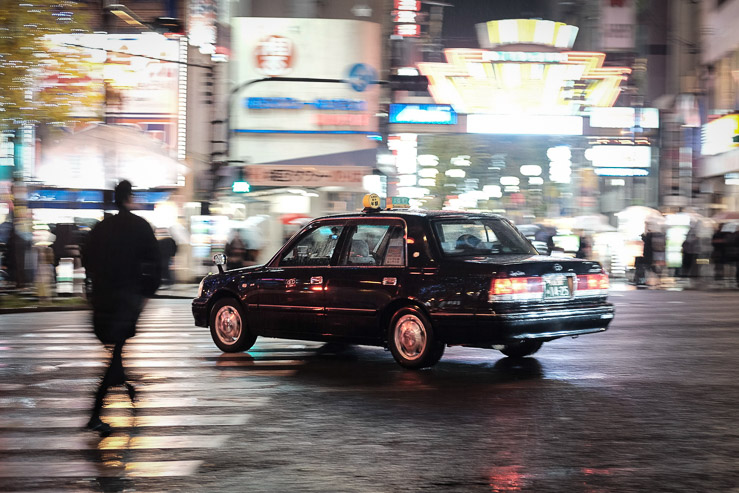
There was a weird bit when suddenly a taxi popped out of nowhere and started driving next to the crowd. It was a bit uncalled for but it made for a cool shot.

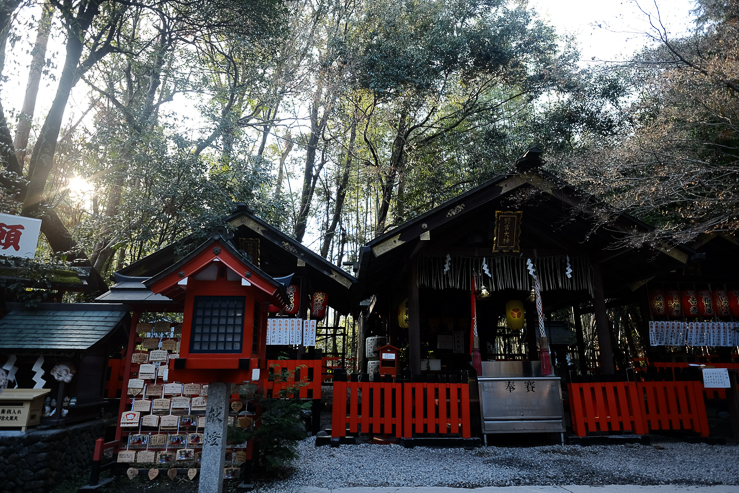

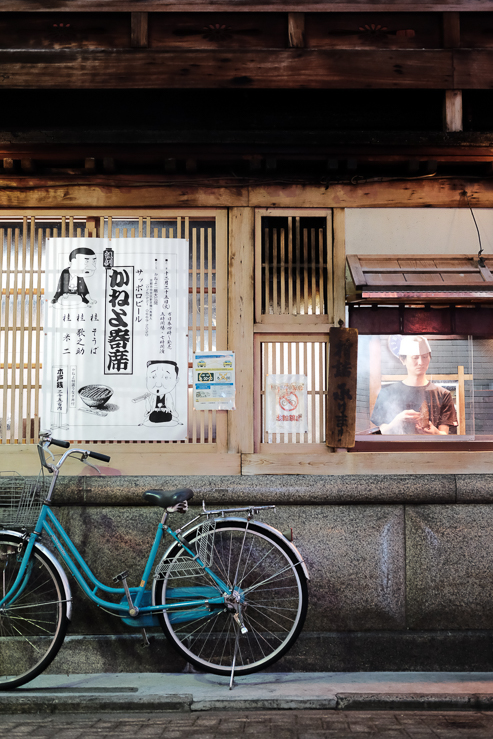
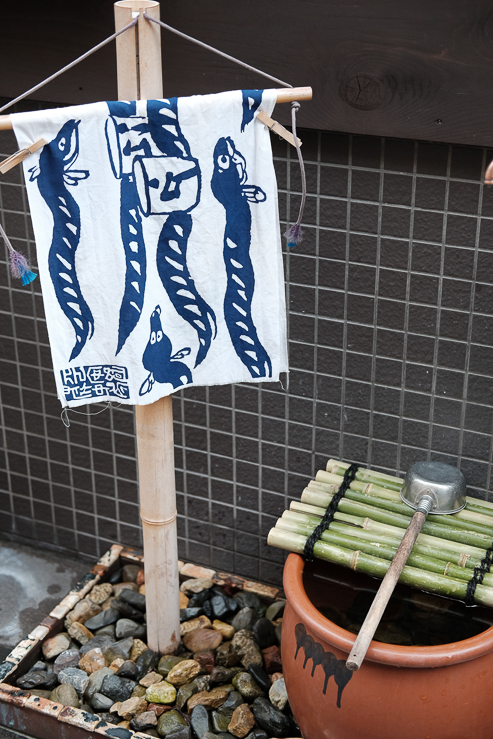
It was my last night in Kyoto, so I had a final stroll around the city and enjoyed a Unagi bowl in one of the most famous Unagi places in Kyoto, right outside Nishiki market. Delicious, but with a hefty price tag. Stress on hefty.

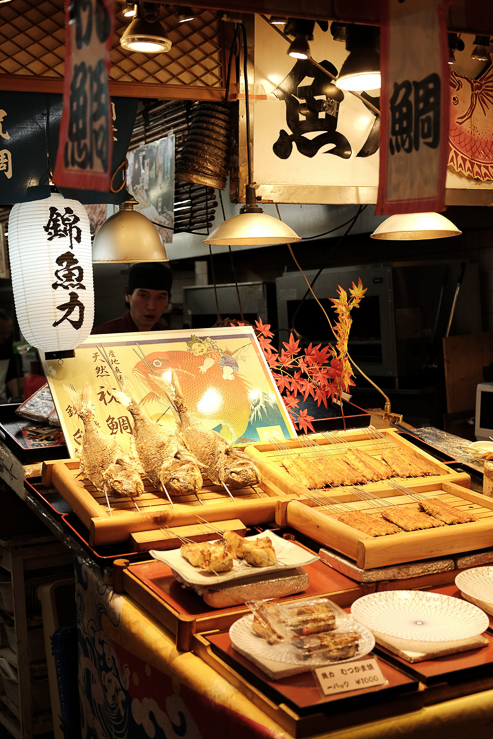
A quick morning walk around the Nishiki market was in order before heading north-west to Matsumoto. I knew I was early when I realised that the market hadn’t opened yet.
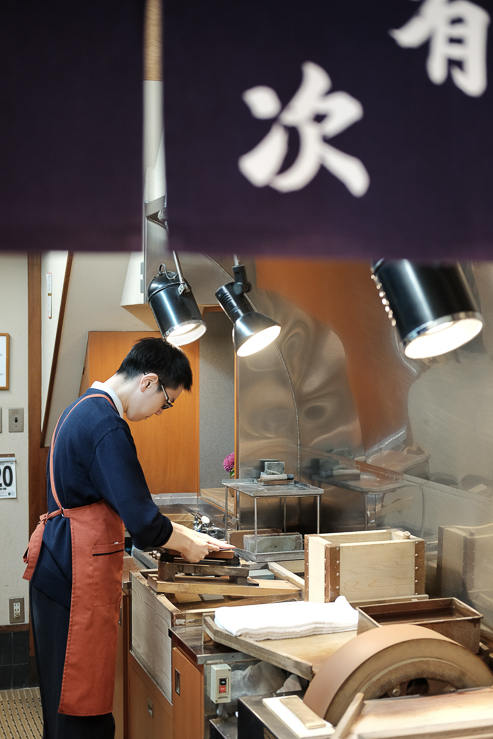
One of the highlights was definitely Aritsugu, a knife shop founded in 1560 that has also been one of the main suppliers of the Kyoto Imperial Palace. For the whole time that I was there, customers kept entering the shop and analysing meticulously the various, very expensive and perfectly sharpened knives.

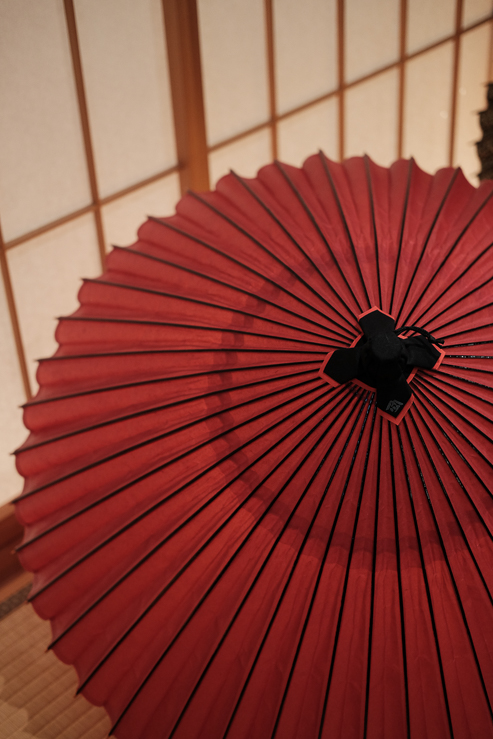
The very final stop was a hidden gem suggested to me by the hostel owner: Tsujikura, an umbrella shop operating since 1690. Definitely a place to keep in mind for future gift ideas.
Kyoto hit me in all the right spots, it was just perfect in every way, from its design shops to its traditional houses.
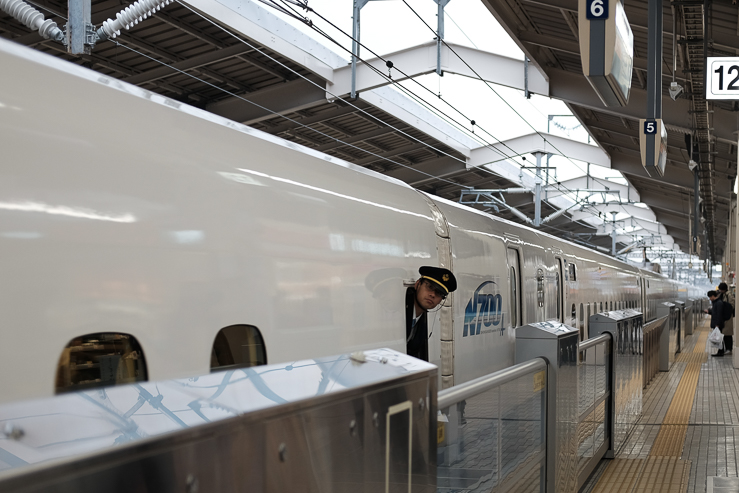
But Matsumoto and the second part of the journey were waiting for me. Actually at that point in time a bullet train was waiting for me.
See you in part 2 (coming soon, enter your email below to join the mailing list so that you don’t miss part two!)
 The Voyaging Snapper
Awesome photos! Japan looks incredible. Greetings from London.
LikeLike
Thanks!
LikeLike